Understanding How to Stick a Fly Glue Trap Effectively
In the ongoing battle against flies, which rank among the most common and pesky pests worldwide, stick a fly glue trap emerges as a quietly effective ally. From food processing plants to family kitchens and even humanitarian relief operations, managing fly populations is critical for health, hygiene, and comfort. Globally, flies not only spread diseases but also compromise food safety — the World Health Organization estimates that flies carry pathogens responsible for dysentery, typhoid, and cholera. Hence, knowing how to stick a fly glue trap correctly can make a surprising difference, offering an affordable, chemical-free way to control these airborne nuisances.
Introduction: Why a Fly Glue Trap Matters Globally
Flies have been a persistent public health concern for centuries, and in many parts of the world, especially in warmer climates, their presence escalates with poor sanitation. According to the United Nations Environment Programme, vector-borne diseases transmitted by flies remain a challenge in both developed and developing countries. Industrial sectors like food storage and healthcare facilities face strict regulations requiring comprehensive fly control measures.
Here’s the rub: chemical insecticides, while effective, can have unintended environmental consequences and promote resistance. Enter the fly glue trap — a simple yet ingenious device designed not only to trap flies but also to provide an immediate visual gauge of infestation levels. Stick a fly glue trap properly, and you gain a non-toxic, reusable tool that fits into integrated pest management strategies.
What Is a Fly Glue Trap?
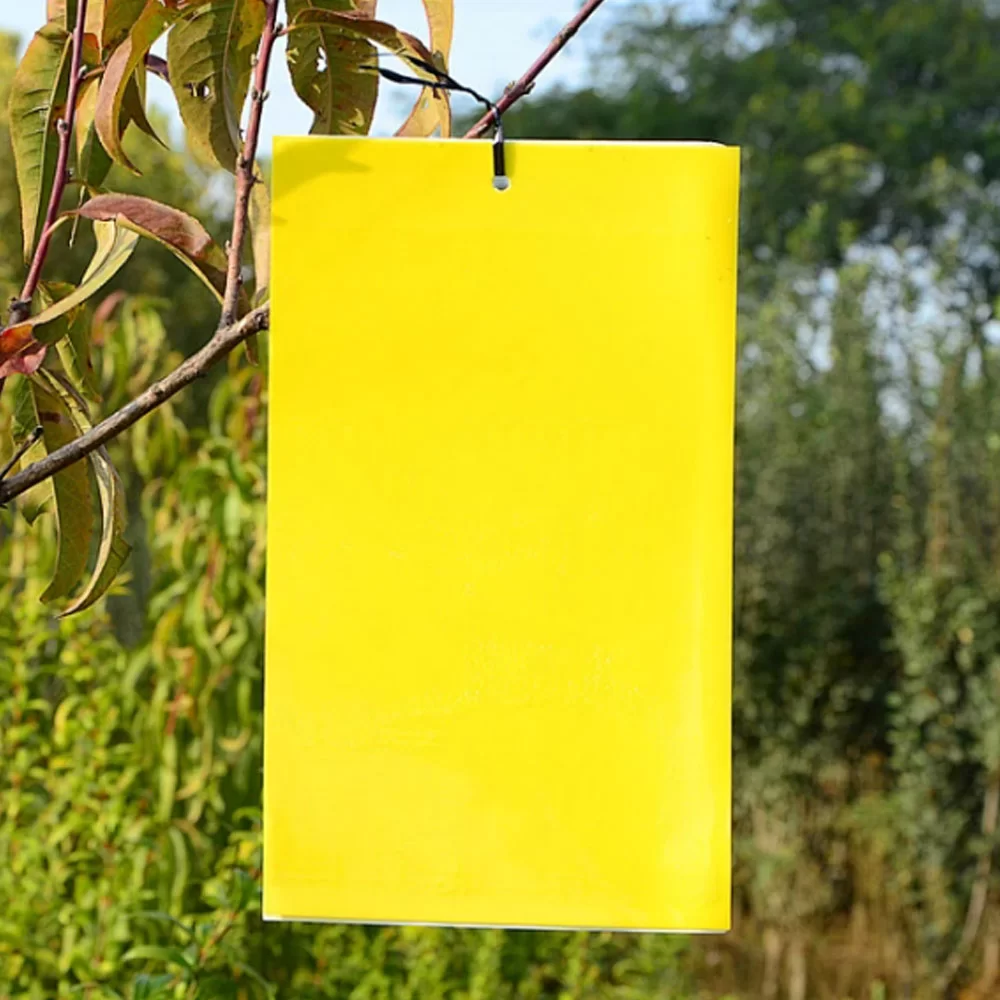
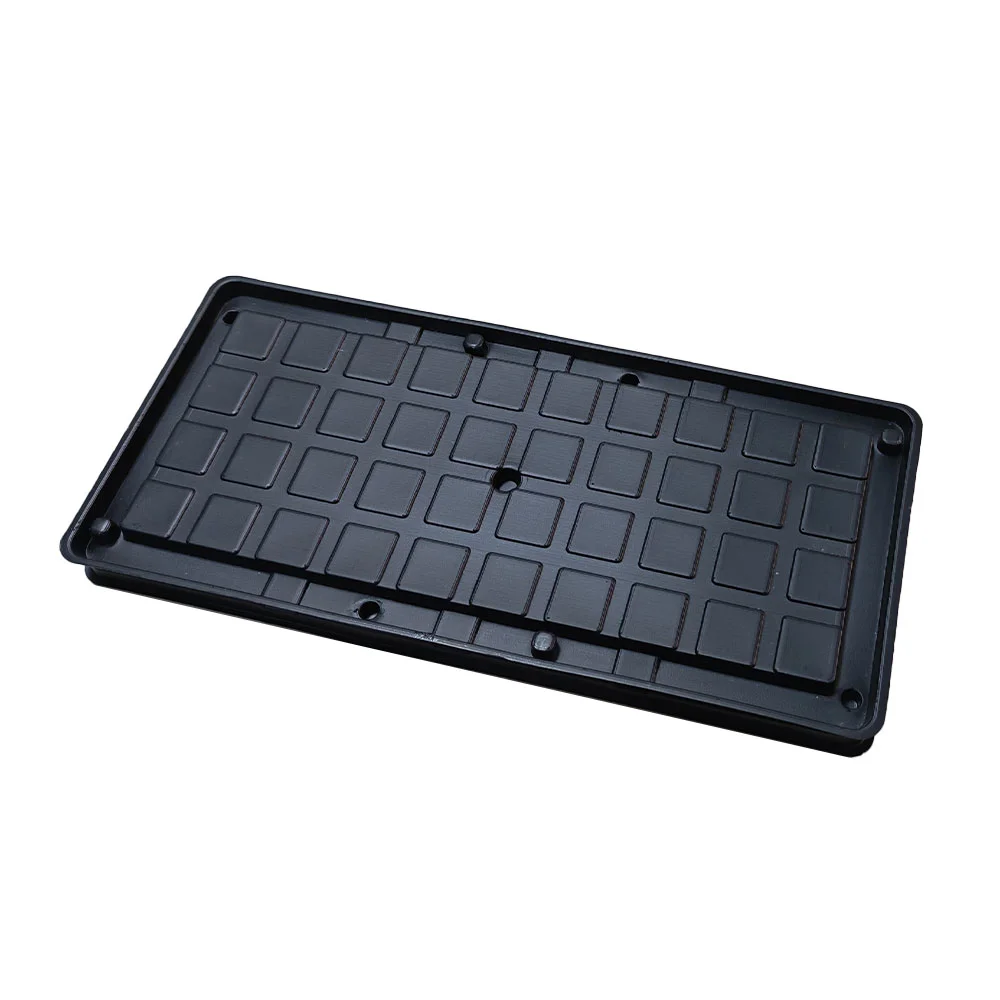
Essentially, a fly glue trap is a sticky surface or sheet coated with adhesive that immobilizes flies on contact. Imagine a thin board or strip that you “stick” in strategic locations where flies frequent: near windows, trash bins, or food prep areas. The magic lies in its simplicity — no poisons, electronic zaps, or complicated setups. It relies on the fly’s natural behavior — they land on surfaces — making it a passive but effective trapping mechanism.
This tool bridges modern hygiene standards with environmentally friendly practices. For industries that handle food or health services, fly glue traps are often a frontline defense aligning with ISO standards for pest control, supporting both public safety and regulatory compliance.
Key Factors When You Stick a Fly Glue Trap
1. Placement and Location
Where you place the trap is critical. Stick it near entry points, garbage disposal areas, or light sources that attract flies. Oddly enough, wrong placement reduces effectiveness dramatically, so knowing fly behavior helps — for example, near windows but out of direct sunlight to prevent adhesive drying out.
2. Adhesive Quality
High-quality adhesives ensure flies don’t escape. Some adhesives are weather-resistant for outdoor use, which is crucial in humid or dusty environments.
3. Size and Design
Traps come in various sizes: from compact strips to larger boards. Scalable sizing allows adaptation to both home use and large industrial facilities.
4. Environmental Safety
Since they are non-toxic and chemical-free, glue traps provide a safer pest control option especially where food handling or children’s safety is a priority.
5. Replacement Frequency
Regularly replacing or rotating traps maintains their stickiness and efficiency. Most recommend swapping traps every 1–2 weeks in active fly seasons.
6. Cost-Effectiveness
Compared to sprays or electronic devices, glue traps are budget-friendly yet durable, making them a cost-efficient component of pest control plans.
Global Applications & Use Cases of Fly Glue Traps
Fly glue traps have become ubiquitous in numerous sectors. For example:
- Food Processing Plants: In Europe and North America, industry regulations often mandate physical fly control. Glue traps help verify pest activity and prevent contamination.
- Healthcare Facilities: To reduce fly-borne infections, especially in tropical zones, traps are set near waste disposal areas.
- Humanitarian Relief: In post-disaster camps, such as those managed by the UN, flies surge and threaten sanitation. Glue traps quickly stem fly populations without adding harmful chemicals in sensitive areas.
- Residential Use: Many households in tropical and temperate regions rely on glue traps to complement window screens and natural repellents.
Each context adapts trap placement and design to needs, demonstrating the tool’s flexibility.
| Specification |
Detail |
| Size |
10 x 25 cm strip or 25 x 30 cm board |
| Adhesive Type |
Non-toxic, odorless, weather-resistant |
| Use Duration |
1–2 weeks recommended |
| Application |
Indoor/Outdoor |
| Safety |
Non-toxic, child-safe |
Comparing Popular Fly Glue Trap Vendors
| Vendor |
Adhesive Quality |
Durability |
Price |
Eco-friendly |
| FlyTrap Co. |
High |
Up to 2 weeks |
$$ |
Yes |
| EcoStick Ltd. |
Medium |
1 week |
$ |
Highly |
| SafeTrap Inc. |
Very High |
Up to 3 weeks |
$$$ |
Yes |
Advantages and Long-Term Value of Fly Glue Traps
The emotional comfort in knowing you have a less toxic, mostly silent guardian against unwelcome flies is tangible. Practically, these traps offer:
- Cost Savings: Low initial purchase and no ongoing electricity or chemical costs.
- Sustainability: Minimal environmental impact with recyclable materials and no poison.
- Reliability: They work quietly, 24/7, giving visual confirmation of pest activity.
- Health & Safety: Non-toxic, child, and pet safe — particularly crucial in homes, hospitals, and kitchens.
- Trustworthiness: Part of globally recognized integrated pest management models.
It's fascinating how something so low-tech can maintain such stature in modern pest control.
Future Trends and Innovations
Fly glue trap technology might sound stable, but innovation is quietly brewing. For instance, manufacturers integrate more biodegradable adhesives that maintain stickiness without microplastic residues, aligning with circular economy principles.
Some prototypes feature smart, IoT-enabled fly traps that notify facility managers when it's time to replace them, improving scalability in industrial settings. Others combine light-attractant technology with sticky surfaces for greater efficiency.
Ultimately, combining classic methods with digital automation and sustainability aims to meet evolving environmental standards worldwide.
Challenges and Practical Solutions
Although effective, glue traps face limitations such as reduced adhesion under high humidity or dust, and sometimes the challenge of disposal after use. Additionally, incorrectly positioned traps yield poor catch rates.
Experts recommend rotating trap locations weekly to track fly movement and combining glue traps with screens and sanitation measures to maximize efficacy. As adhesives improve, manufacturers are tackling weather and dust resistance, and some offer eco-friendly disposal methods.
FAQs: Practical Questions About Stick a Fly Glue Trap
- Q: How often should I replace a fly glue trap?
- A: Generally, every 1 to 2 weeks during peak fly seasons. Replacement ensures the adhesive remains sticky and the trap effective.
- Q: Can I use fly glue traps outdoors?
- A: Yes, but opt for weather-resistant models designed to endure humidity and sunlight. Place them in sheltered but fly-active areas.
- Q: Are fly glue traps safe for children and pets?
- A: Absolutely. Most glue traps are non-toxic and odorless. However, place them out of reach to avoid accidental contact.
- Q: How do I get rid of the flies stuck on the trap?
- A: When disposing of used traps, seal them in a plastic bag and discard with regular waste. Avoid touching the adhesive with bare hands.
- Q: Can glue traps replace insecticides entirely?
- A: They work best as part of an integrated pest management plan including sanitation and physical barriers, rather than as a sole solution.
Conclusion: Why Properly Sticking a Fly Glue Trap Matters
Fly glue traps, modest as they may seem, occupy an important niche in pest control strategies around the globe. Correctly sticking a fly glue trap can reduce disease vectors, lower costs, and deliver environmental benefits simultaneously. Whether you run a food processing facility, manage residential hygiene, or support disaster relief, this simple tool offers a time-tested, scientifically backed option. For the latest in sustainable pest management solutions, you might want to stick a fly glue trap and see the difference yourself.
Takeaway? Sometimes the simplest solutions stick the best.
References
- World Health Organization - Vector-borne diseases
- United Nations Environment Programme
- ISO 22000 - Food safety management