Understanding Sticky Trap Glue: What It Is and Why It Matters Globally
Sticky trap glue might sound niche, but it plays a surprisingly pivotal role across industries and regions worldwide. At its core, it’s a specially formulated adhesive that captures pests, insects, and contaminants effectively and cleanly. Globally, with growing concerns about pest-related health risks and environmental impact, understanding the nuances of sticky trap glue is more relevant than ever.
Whether you’re involved in agriculture, food storage, public health, or even humanitarian relief, sticky trap glues contribute to safer environments by controlling or monitoring pest populations without heavy chemical use. Moreover, modern formulations strive to be non-toxic, durable, and adaptable to diverse climates — all reasons why this seemingly simple material deserves closer attention.
sticky trap glue often escapes the spotlight, yet it quietly supports sanitation standards and ecological balance in ways many underestimate.
Introduction: The Global Significance of Sticky Trap Glue
Worldwide, pests account for billions of dollars in crop loss annually (~$220 billion according to the UN FAO[1]) and pose risks of vector-borne diseases. Sticky trap glue helps tackle these challenges efficiently. In fact, the global pest control market is projected to surpass $24 billion by 2027 (MarketWatch data), highlighting rising demand for effective, eco-friendly solutions.
However, traditional pesticides face criticism for environmental hazards, resistance issues, and regulatory restrictions. Sticky trap glue emerges here as a safer, chemical-free alternative for monitoring and controlling pests — a real game-changer. Such adhesives are invaluable in settings ranging from sprawling warehouses in North America to rural clinics in Sub-Saharan Africa, where safety and affordability matter most.
What Is Sticky Trap Glue Exactly?
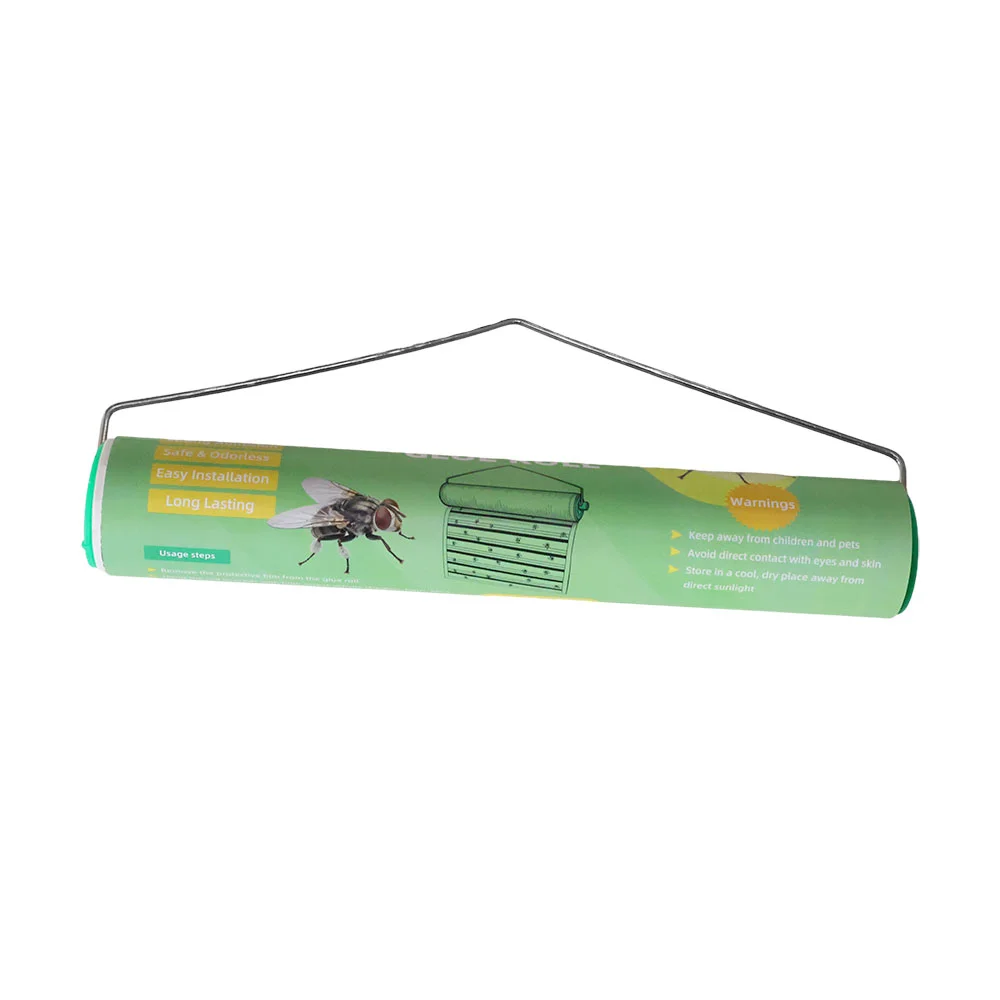
Simply put, sticky trap glue is a highly tacky adhesive designed to remain sticky over extended periods, able to trap insects, rodents, and other vermin on surfaces without harmful fumes or residues. It’s typically crafted from natural or synthetic resin blends optimized for tackiness, weather resistance, and non-toxicity.
For industries, it’s a monitoring tool that interfaces well with integrated pest management (IPM) systems—less reliance on chemicals, more emphasis on early detection. Humanitarian efforts also use sticky glue traps for keeping disease vectors like mosquitoes in check, protecting vulnerable populations with minimal environmental impact.
Key Factors of Sticky Trap Glue
- Durability: Effective glue retains tackiness for weeks—even in humid or dusty environments.
- Non-Toxicity: Safe for humans, pets, and wildlife, meeting international safety standards (e.g., ISO 14001).
- Cost Efficiency: Economical in large-scale operations; minimal replacement frequency.
- Customizability: Formulations can be tailored to different pest types and environments.
- Ease of Use: Pre-applied on various substrates or available as spreadable paste.
Each factor directly influences practical deployment—whether you’re sealing an urban warehouse or managing crops in humid tropical zones. It’s a balance: stickiness without mess, longevity without toxicity.
| Specification |
Detail |
| Main Ingredients |
Natural/resin-based polymer blends |
| Tackiness Duration |
4-8 weeks (varies by climate) |
| Temperature Range |
-10°C to 45°C |
| Non-Toxic Certification |
ISO 10993, EPA-approved formulas |
| Color |
Transparent to amber |
Mini takeaway: Sticky trap glue’s performance boils down to reliable tackiness, safety, and adaptability across environments — a trifecta supporting its global practical relevance.
Global Applications and Real-World Use Cases
Sticky trap glue finds diverse applications worldwide:
- Agriculture: Farmers use sticky traps to monitor and reduce insect pests, leading to better yield and less pesticide usage in Asia and South America.
- Food Storage & Processing: Warehouses in Europe rely on glue traps to comply with strict hygiene regulations, especially for rodent control.
- Public Health: In tropical countries, NGOs deploy mosquito sticky traps during outbreak seasons of dengue or malaria, reducing disease transmission without chemical spraying.
- Research & Monitoring: Entomologists globally use sticky adhesives to study insect populations and behavior patterns in ecosystems.
For instance, after natural disasters, emergency shelters often incorporate sticky traps to minimize rodent infestations, protecting displaced families from disease risks. Similarly, food exporters implement these glues to enhance pest control while meeting international import standards.
Advantages and Long-Term Value of Using Sticky Trap Glue
There’s more than one reason sticky trap glue is gaining traction globally:
- Cost-Effectiveness: Less need for frequent chemical applications lowers operational expenses.
- Sustainability: Reduces pesticide load in ecosystems, aligning with ISO environmental standards.
- User Safety & Trust: Non-toxic profiles build confidence among operators and consumers.
- Operational Reliability: Stable performance across diverse conditions provides peace of mind.
- Supports Innovation: Enables integration with smart monitoring devices for real-time pest management.
Emotionally, it feels good using a safer product—knowing families, workers, and wildlife aren’t at unnecessary risk. Logically, it makes sense to invest in something proven, adaptable, and that supports holistic pest management methods.
Sticky Trap Glue: Future Trends & Innovations
The future looks promising. Researchers are experimenting with bio-based adhesives derived from algae or plant extracts to reduce fossil fuel dependency. Nano-engineered glue surfaces offer improved selectivity, capturing target pests more efficiently without collateral harm.
Digitally, embedded sensors in glue traps can now signal pest catch rates remotely—significant for large facilities aiming to optimize intervention. Globally, stricter regulations on pesticide use favor sticky trap glue technologies. Plus, integration with IoT and AI enhances predictive pest control models, driving innovation.
Challenges & Solutions in Sticky Trap Glue Use
Challenges remain:
- Climate Sensitivity: Extreme heat or moisture can reduce glue effectiveness.
- Disposal Concerns: Sticky traps require responsible handling to avoid environmental waste.
- Species-Specific Limitations: Some pests avoid sticky surfaces or require complementary methods.
Solutions include formulation tweaks (water-resistant versions), recyclable trap designs, and multi-modal pest management strategies combining sticky glue with biological or physical controls. Many engineers advocate for ongoing field testing and user feedback loops to refine products continuously.
| Vendor |
Glue Formula Type |
Toxicity Level |
Price per Liter |
Suitable Climates |
| EcoSticky Co. |
Bio-based resin |
Non-toxic |
$35 |
Temperate, humid |
| TrapMasters Inc. |
Synthetic polymer blend |
Low toxicity |
$25 |
Arid and tropical |
| SafeGlue Solutions |
Natural resin |
Non-toxic |
$30 |
All climates |
FAQ: Common Questions About Sticky Trap Glue
Q1: How long does sticky trap glue remain effective in outdoor environments?
A: Generally, sticky trap glue lasts between 4 to 8 weeks outdoors. However, factors such as humidity, temperature fluctuations, and dust exposure can shorten its effective tackiness. High-quality formulations designed with weather-resistant ingredients can extend this duration.
Q2: Is sticky trap glue safe to use around children and pets?
A: Most modern sticky trap glues are formulated to be non-toxic and safe for use in homes or public spaces. Still, it’s advisable to place traps where children and pets cannot access them directly, preventing accidental contact or ingestion.
Q3: Can sticky trap glue be applied on different surfaces?
A: Yes, sticky trap glue can be pre-applied on plastic, cardboard, or wooden bases, and some formulations come as a paste to be applied on-site. Surface adhesion and retention depend on the substrate type and environmental conditions.
Q4: Are sticky trap glues environmentally friendly?
A: Many manufacturers now prioritize eco-friendly ingredients and biodegradable resin bases to minimize environmental impact. Still, proper disposal of used traps is important to avoid unwanted waste buildup.
Q5: How do sticky trap glues compare with chemical pesticides?
A: Sticky trap glues offer a non-toxic, residue-free alternative for pest control and monitoring, reducing chemical runoff and resistance development. However, they often complement rather than completely replace chemical treatments, especially in severe infestations.
Conclusion: Why Sticky Trap Glue Deserves Your Attention
In real terms, sticky trap glue might not grab headlines, but it quietly underpins safer, smarter pest management worldwide. Its blend of cost efficiency, sustainability, safety, and adaptability makes it a worthy solution for industries and communities alike.
If you’re interested in discovering more about innovative pest control products, or exploring options tailored to your needs, don’t hesitate to visit our site: https://www.hbarcherfish.com. It’s where trusted experience meets practical solutions.
To wrap up, sticky trap glue embodies a subtle yet impactful tool in managing pests – one that keeps evolving as we reimagine safer, greener futures.
References:
- UN Food and Agriculture Organization (FAO) pest control data
- ISO 10993 Biological evaluation of medical devices
- MarketWatch: Pest Control Market Report