Understanding Industrial Glue Traps: A Global Perspective
Industrial glue traps—yeah, these might not be something you think of every day, but they actually play a surprisingly significant role in modern industries and public health worldwide. Simply put, they’re sticky boards or pads used to trap rodents, insects, or other pests in places where traditional pest control can’t quite do the job or where using chemicals is off-limits. Globally, their impact is tangible, especially in factories, warehouses, ships, and even humanitarian contexts. Understanding them means appreciating how a simple device can support sanitation, protect property, and improve safety.
Given rising global urbanization and the increasing demand for sustainable pest management solutions, industrial glue traps have never been more relevant. Whether you’re an industrial hygienist, facility manager, or just curious about how to keep warehouses pest-free without harsh chemicals, this exploration offers solid insight into the why, how, and what of these traps.
Why Do Industrial Glue Traps Matter Globally?
According to the Food and Agriculture Organization (FAO), pest-related damages cause significant productivity losses, especially in agricultural supply chains and food storage globally. The use of effective yet non-toxic pest traps aligns with sustainable development goals like those set by the United Nations SDG 12 on responsible consumption and SDG 3 for health.
Besides food safety, think about industrial sites where chemical pesticides might damage equipment or contaminate products. In such scenarios, mechanical traps — glue traps especially — offer a pragmatic alternative. In short, industrial glue traps address the ongoing challenge of pest control with minimal environmental footprint.
What Are Industrial Glue Traps?
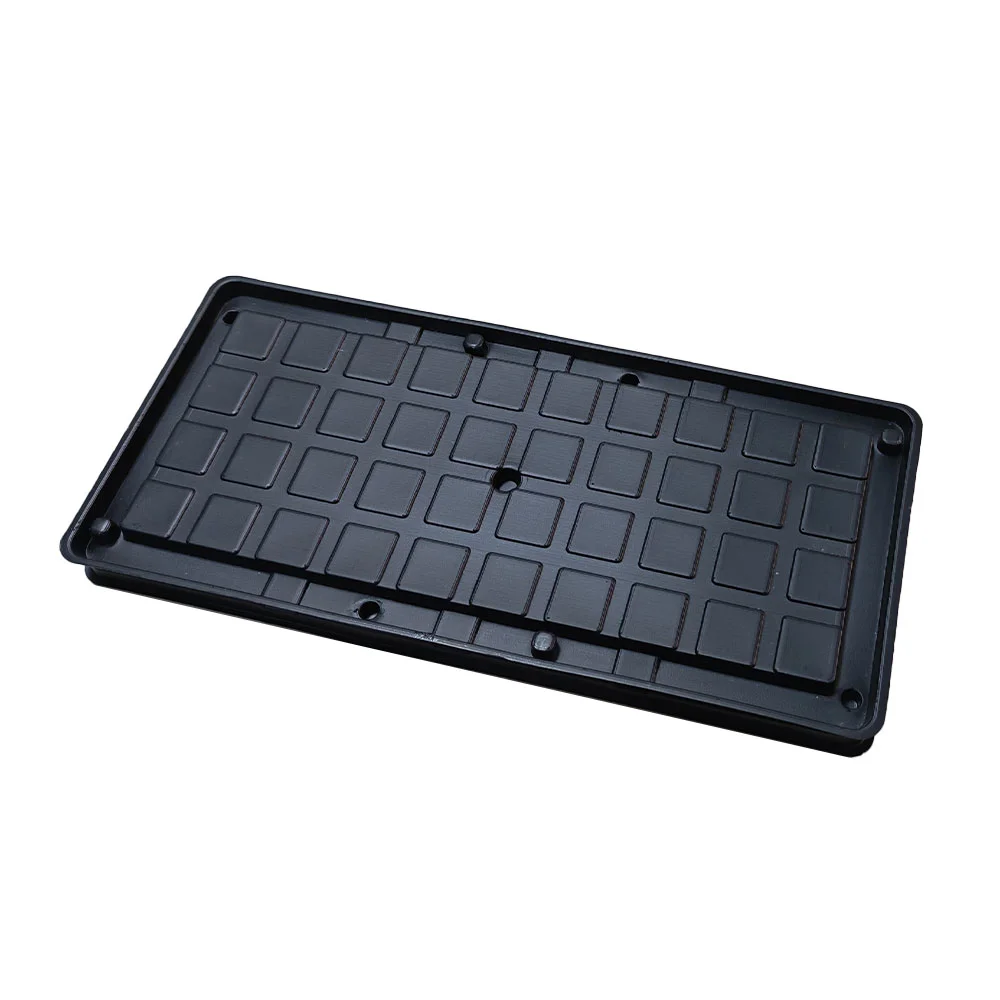
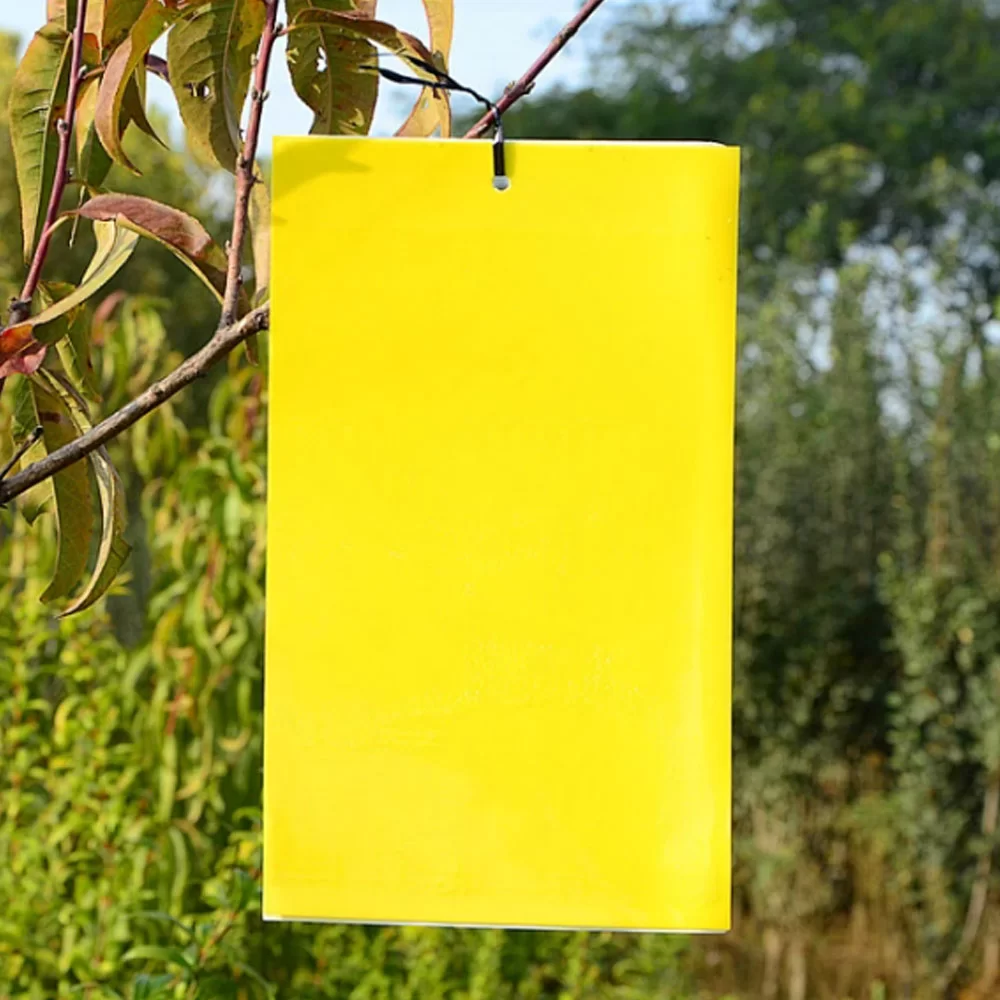
Industrial glue traps are typically heavy-duty, adhesive-coated sheets designed to capture crawling pests like mice, cockroaches, and other insects. Unlike basic household traps, they are built for robustness and often feature large surface areas with specialized adhesives that resist drying out quickly… plus structural backing for durability.
They are integral to pest control regimes where fumigation or traditional baiting isn't suitable, such as food production lines, pharmaceutical manufacturing, and cold storage facilities. Oddly enough, the simple concept of sticky boards is actually a clever blend of old-fashioned mechanical trapping with carefully formulated modern adhesives.
Key Features of Industrial Glue Traps
1. Durability
These traps withstand variable temperatures, moisture, and rough handling. Industrial-grade materials protect the glue from drying and maintain effectiveness over weeks.
2. Scalability
From small enclosed spaces to expansive warehouses, glue traps come in various sizes, and they can be deployed in clusters or individually depending on infestation levels.
3. Safety and Non-Toxicity
Unlike poisons, industrial glue traps pose no chemical hazard to workers or the environment, making them favored in sensitive industries.
4. Cost Efficiency
They’re generally affordable, require minimal maintenance, and avoid costly cleanup compared to extermination chemicals.
5. Environmental Sustainability
Being mechanical traps, they reduce the reliance on pesticides, aligning with green industry practices.
6. Ease of Disposal
Most traps are designed for single-use and easy disposal, helping maintain hygiene standards.
Industrial Glue Trap Product Specifications at a Glance
| Feature |
Specification |
| Dimensions |
30 cm x 20 cm (Standard) |
| Adhesive Type |
Non-toxic, long-lasting tacky resin |
| Material |
Reinforced Cardboard with waterproof coating |
| Operational Temperature |
-20°C to 40°C |
| Shelf Life |
Up to 6 months unopened |
| Disposal |
Incineration or sealed landfill |
Who Uses Industrial Glue Traps? Global Applications and Case Studies
- Food manufacturing plants in Europe and North America rely on these traps to maintain hygienic conditions without chemical residues.
- Shipping industries use them aboard cargo vessels where fumigation is restricted and immediate pest control is needed at ports.
- Warehouses and logistics hubs worldwide implement glue traps as a first line defense because of scalability and ease.
- Humanitarian operations in post-disaster zones often deploy glue traps to prevent disease-spreading pests in temporary shelters where chemicals could endanger residents.
- Greenhouses and vertical farms increasingly depend on glue traps to avoid pesticide contamination to plants and workers.
For more on pest prevention tools, see our guide on industrial glue traps and related products.
Advantages and Long-Term Value
Let’s be honest: what makes these traps stand out is their subtle but crucial advantages. They reduce workplace health hazards, boost operational safety by avoiding chemical splashes, and incur low maintenance costs. Frankly, for many plant managers, the peace of mind knowing there’s no risk of contamination is priceless.
On an emotional level, industrial glue traps provide a form of silent trust — they quietly protect food, technology, and livelihoods without fuss. Their sustainability aspect scores points with companies eyeing eco-friendly certifications, making them a smart choice beyond pure functionality.
Industrial Glue Traps Vendors: A Quick Comparison
| Vendor |
Adhesive Technology |
Eco-friendly Certifications |
Average Cost (per pack) |
Additional Features |
| TrapGuard Inc. |
Bio-based resin |
ISO 14001 Certified |
$25 |
Moisture-resistant backing |
| EcoTrap Solutions |
Synthetic adhesive (non-toxic) |
Green Seal Certified |
$22 |
Recyclable cardboard layer |
| PestiSafe Systems |
Natural adhesive mix |
No Certifications |
$20 |
Extra-large size options |
Future Trends & Innovations in Industrial Glue Traps
Looking ahead, the industry is exploring adhesives made from bio-based polymers to improve sustainability and reduce waste. Automation also plays a role — some manufacturers are integrating digital sensors with glue traps to notify facility managers remotely when traps have captured pests, enhancing monitoring without manual checks.
We’ll likely see stronger pushes for green certifications and integration with broader IPM (Integrated Pest Management) frameworks, ensuring solutions are environmentally responsible yet highly effective. Honestly, the evolution here is quiet but impactful.
Common Challenges and How to Overcome Them
While industrial glue traps are super useful, they aren’t without issues. Adhesive loss due to dust and humidity can reduce effectiveness. Placement requires some expertise to avoid false negatives or wasted traps. Also, some critics argue they raise ethical concerns over how pests are trapped.
Experts recommend combining traps with regular sanitation and using traps with environmental-resistant adhesives. For ethical concerns, ongoing research seeks humane adhesives and non-lethal alternatives. So, the field is moving toward balance and refinement, not just blunt force solutions.
FAQ: Frequently Asked Questions About Industrial Glue Traps
- Q: How often should industrial glue traps be replaced?
A: Typically, traps remain effective for up to 4-6 weeks once deployed, depending on environmental conditions like dust and humidity. Regular inspection will help determine when replacement is necessary.
- Q: Can industrial glue traps capture flying insects?
A: Glue traps are primarily designed for crawling pests but can catch low-flying insects like small flies if positioned correctly. However, they’re less effective against strong fliers.
- Q: Are these traps safe to use in food processing areas?
A: Yes, industrial glue traps meant for food areas use FDA- or USDA-approved adhesives and materials to prevent contamination while maintaining pest control.
- Q: How should used glue traps be disposed of?
A: Disposal usually involves sealing traps in plastic bags and following local waste regulations, commonly incineration or landfill. Many manufacturers provide disposal instructions aligned with environmental guidelines.
Conclusion: Why Industrial Glue Traps Should Be Part of Your Strategy
Ultimately, industrial glue traps represent a simple, cost-effective, and environmentally savvy approach to pest control that aligns well with modern industrial needs. They offer safety, scalability, and sustainability—combining to reduce risks in critical settings. For more details or sourcing options, don’t hesitate to visit our website and explore the latest offerings.
Who would’ve thought sticky boards could pack such a punch, right? It’s one of those small solutions that, when done right, support big outcomes.
Takeaway: In real terms, embrace glue traps as part of a smarter, safer pest management system that works with nature and industry needs alike.
1. Food and Agriculture Organization - Pest Management
2. United Nations Sustainable Development Goals
3. Wikipedia - Pest Control