Understanding White Fly Sticky Traps: Simple Solutions for a Global Pest Problem
White fly infestations might sound niche, but their impact spans across continents—from small-scale farmers to large commercial growers. These tiny, pesky insects are notorious for their rapid spread and the damage they cause, heavily affecting crop yields worldwide. Enter white fly sticky traps: a low-tech yet highly effective method to monitor and control these pests. Whether you’re a seasoned agricultural professional or a curious environmentalist, knowing about these traps is key to sustainable pest management. Let’s dive deeper into what makes them tick, why they matter globally, and how they’re evolving.
Global Context: Why White Fly Sticky Traps Matter
On a global scale, white flies are a menace. The United Nations' Food and Agriculture Organization (FAO) estimates that insect pests, including white flies, reduce agricultural productivity by up to 40% in various crops. This has direct impacts on food security and farmers’ income, particularly in developing regions heavily reliant on agriculture.
White flies thrive in warm climates and have become increasingly problematic with rising global temperatures—climate change isn’t just about heatwaves and sea levels; it also intensifies pest pressure. From tomato fields in Spain to cotton plantations in India, farmers face the challenge of managing these insects without relying solely on chemical pesticides, which can be costly and harmful to ecosystems.
Sticky traps offer an accessible, eco-friendly alternative to conventional pest control methods. They help reduce insect populations and allow growers to detect infestations early, minimizing crop losses.
What Are White Fly Sticky Traps?
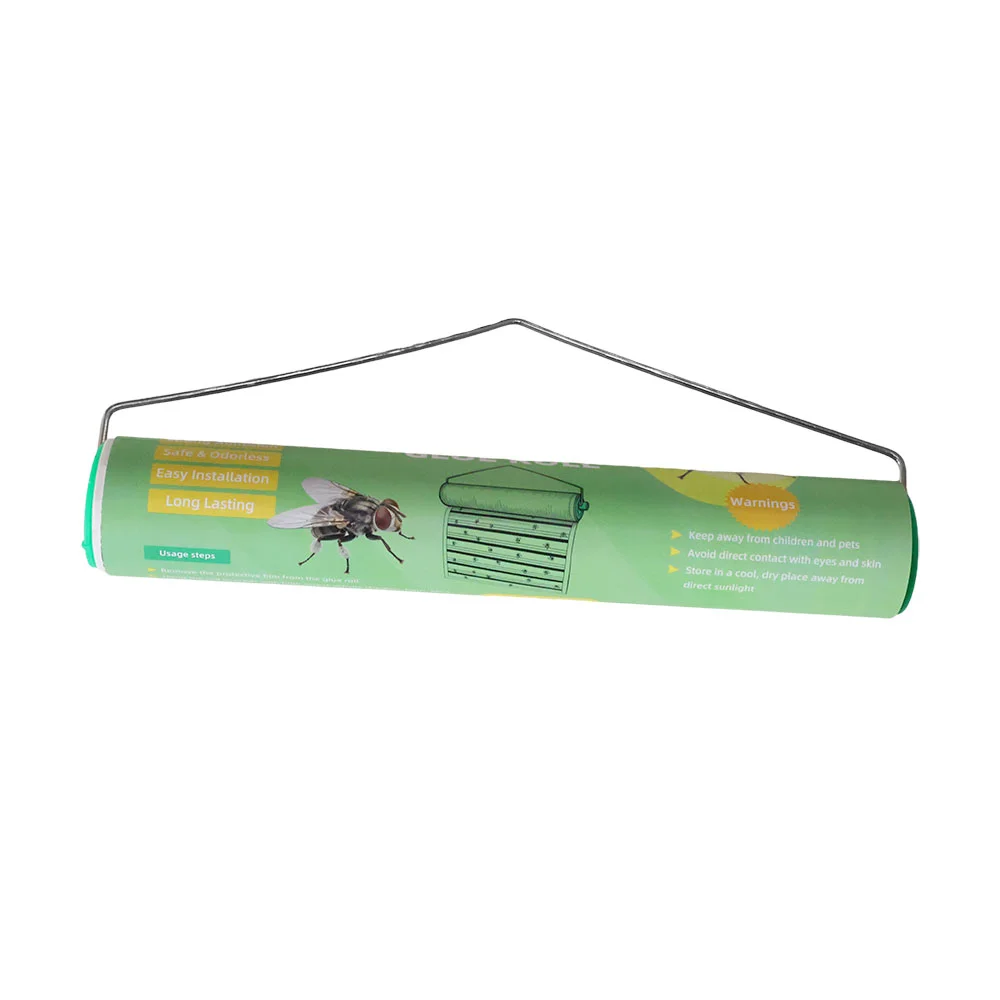
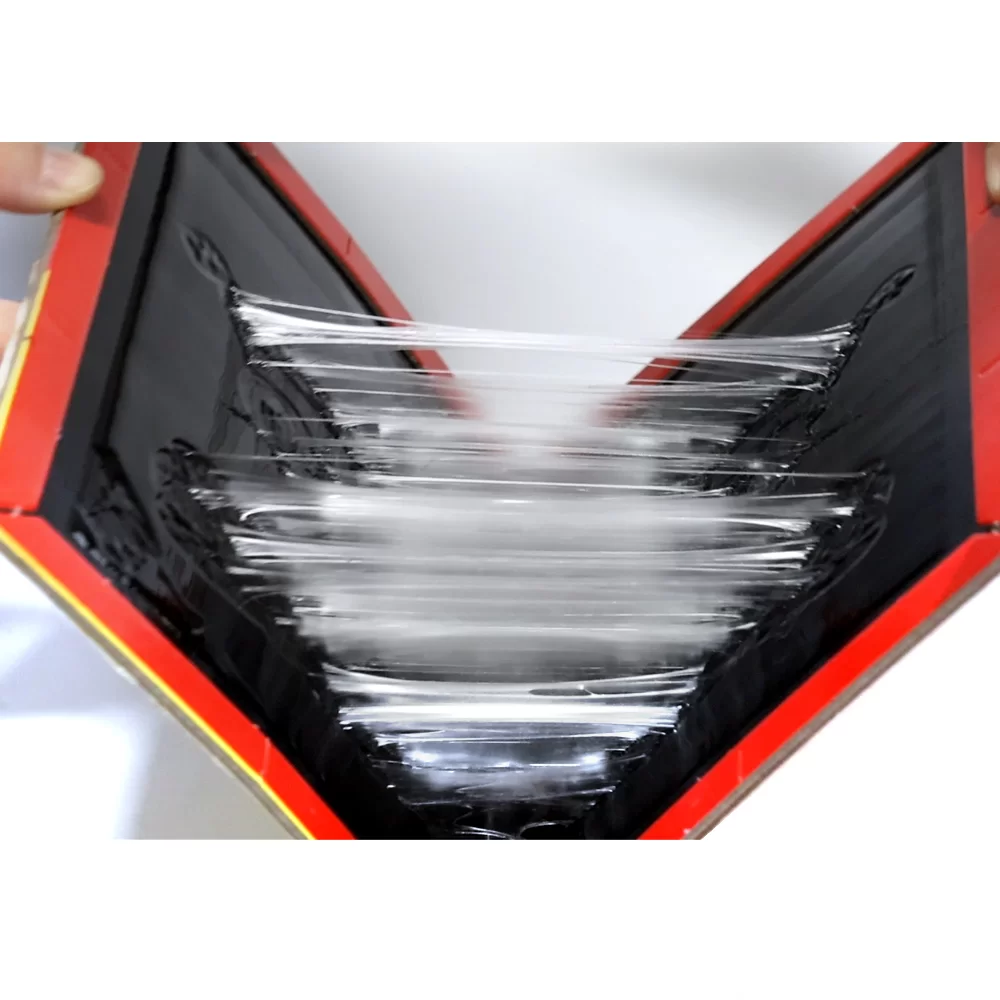
Put simply, white fly sticky traps are bright-colored boards coated with a non-drying adhesive that attract and capture white flies. The insects land on the trap and become stuck, effectively removing them from the environment. Yellow is commonly used because white flies are attracted to this color, mistaking it for foliage.
These traps serve two main purposes: monitoring and direct pest control. Farmers and agronomists use them to gauge pest populations and timing interventions, while in some cases, they function as a control method to reduce pest density.
They have become staples in integrated pest management (IPM) strategies globally, reflecting current trends toward reduced pesticide dependency and greater environmental awareness.
Core Components and Key Factors
1. Color & Attractiveness
The choice of color—usually yellow—relies on white flies’ vision spectrum sensitivity. This is crucial because it determines the trap’s efficiency. Oddly enough, slight variations in hue and brightness can impact catch rates noticeably.
2. Adhesive Quality
The sticky coating needs to remain tacky over weeks, even in harsh outdoor conditions. Water-resistant, non-toxic adhesives are preferred. In fact, some traps use natural plant-based glues now, reducing environmental impact further.
3. Durability & Weather Resistance
Outdoor traps face UV exposure, rain, and wind. High-quality traps employ materials that resist tearing and fading while maintaining adhesive functionality. This directly impacts how long a trap remains effective in the field.
4. Size & Scalability
Traps range from small panels (10x20 cm) to larger sheets. Scaling up is simple—farmers typically set dozens or hundreds across an area to monitor effectively. Practicality of deployment affects user adoption.
5. Cost Efficiency
Sticky traps offer a low upfront cost with no complex installation. They’re reusable in some cases or cheaply disposable, offering scalable solutions from backyard gardens to large commercial farms.
| Specification |
Typical Value |
Notes |
| Color |
Yellow (Pantone 109C) |
Attracts white flies efficiently. |
| Adhesive |
Water-resistant, non-toxic |
Maintains stickiness for 4–6 weeks. |
| Dimensions |
10x20 cm to 30x45 cm |
Varies by application and scale. |
| Material |
Polypropylene or cardstock with laminate |
UV-resistant versions needed for prolonged outdoor use. |
Mini takeaway: The combination of color science and material engineering make sticky traps surprisingly sophisticated yet affordable devices for controlling white fly populations.
Global Applications & Use Cases
These traps aren’t just tools in greenhouses or hobbyist gardens. They’ve been adopted worldwide, from Africa’s smallholder farms battling cassava pests to Australia’s fruit orchards managing white fly outbreaks. In many cases, NGOs promote them as part of sustainable agricultural practices in regions with limited access to pesticides.
Consider post-disaster agricultural relief: crops stressed by drought or flooding are vulnerable to pests. Deploying sticky traps quickly helps suppress white fly populations and protect fragile harvests, without chemical residues complicated for emergency aid.
Similarly, in remote industrial zones or organic farms, chemical pesticide restrictions make sticky traps indispensable. Their simplicity means anyone can install and monitor them, facilitating community-driven pest management programs.
Advantages & Long-Term Value
- Environmental Safety: No harmful chemicals, preserving beneficial insects and soil health.
- Cost Reduction: Low price and reusable options reduce expenses over multiple growing cycles.
- Early Detection: Monitoring population levels guides precise interventions, saving costs and protecting yield.
- Ease of Use: Minimal training required—farmers can monitor themselves.
- Social Impact: Improved crop security means greater food stability and farmer livelihoods.
Frankly, it’s also satisfying to see results firsthand — observing these tiny invaders literally get stuck seems oddly gratifying after a day in the fields.
Future Trends and Innovations
Sticky traps aren’t standing still. New materials designed for biodegradability are emerging, addressing concerns over environmental waste. Some innovators integrate pheromones to boost trap attractiveness, enhancing catch rates without chemicals.
Digital transformation is subtly entering this space: imagine smart traps equipped with sensors that automatically report catch counts via IoT technologies, enabling real-time pest monitoring at scale. While still experimental, such innovations could transform pest management, making it more proactive and data-driven.
Additionally, policies encouraging sustainable pest control (e.g., EU Green Deal) may increase adoption and innovation in these tools.
Challenges and Expert Solutions
No technology is perfect. Sticky traps sometimes struggle in heavy rainfall or dusty environments where adhesiveness can fail. Also, they only control flying adults, leaving immature stages unaffected.
Experts advise combined approaches: use traps alongside biological controls (like parasitic wasps) and crop management techniques. Regularly replacing traps and choosing the correct size and placement make a big difference.
Manufacturers are continually refining adhesives and protective coatings to boost durability. It’s a pragmatic balance between cost, usability, and longevity.
FAQ: Frequently Asked Questions About White Fly Sticky Traps
- Q1: How often should I replace white fly sticky traps?
- A1: Typically, traps remain effective for 4 to 6 weeks depending on weather and pest pressure. Replace sooner if they’re heavily covered or adhesive wears off to maintain effectiveness.
- Q2: Can sticky traps eliminate white flies entirely?
- A2: Sticky traps primarily reduce adult populations and assist in monitoring. They rarely eradicate infestations alone but work best combined with other control methods like insecticides or biological agents.
- Q3: Are sticky traps safe around beneficial insects?
- A3: Yes, traps are selective for flying white flies attracted by color. However, some non-target insects may occasionally be caught, so monitor deployment carefully to minimize unintended capture.
- Q4: Can I use these traps indoors or in greenhouses?
- A4: Absolutely. In greenhouses, sticky traps are a staple for integrated pest management, providing continuous monitoring and control without chemicals.
- Q5: Where can I purchase quality white fly sticky traps?
- A5: Many agricultural suppliers stock them. For trusted options, visit suppliers like white fly sticky traps who offer a variety with tested adhesive formulations.
| Vendor |
Adhesive Type |
Material |
Price Range (USD) |
Sustainability |
| HB Archer Fish |
Natural plant-based |
Recyclable polypropylene |
$0.50–$1.00 per trap |
High (Biodegradable glue) |
| GreenCatcher Ltd. |
Synthetic resin |
Laminated cardstock |
$0.30–$0.80 |
Medium |
| EcoTrap Solutions |
Non-toxic polymer |
Biodegradable paper |
$0.60–$1.20 |
Very High |
Conclusion & Next Steps
The humble white fly sticky trap holds outsized importance. By combining simplicity with efficiency, these tools help safeguard crops, support sustainable farming, and foster environmental health worldwide. I suppose what’s most rewarding is how such a straightforward invention can make a real difference in the lives of farmers everywhere—from local families feeding their communities to large-scale food producers contributing to global food security.
If you want to explore or purchase trusted white fly sticky traps, consider visiting our website for a range of eco-conscious options.
Food security is a massive challenge in an unpredictable world, and tools like these sticky traps—consistent, low-tech, reliable—are quietly part of the solution. So next time you stroll through a garden or farm, keep an eye out for these yellow sentinels doing their sticky work.
Mini takeaway: White fly sticky traps are simple yet versatile allies in integrated pest management, combining science, sustainability, and practicality for global good.
References:
- FAO Plant Health and Food Security
- Wikipedia: Whitefly
- ISO Organic Farming Standards