Sticky Traps for Mosquitoes: A Practical Solution with Global Impact
Sticky traps for mosquitoes aren’t just a niche tool—they’re quietly revolutionizing mosquito control worldwide. With mosquito-borne diseases affecting millions annually, particularly in tropical and subtropical regions, these traps are becoming essential in both public health and environmental efforts. Understanding their design, applications, and future potential shines a light on a simple yet effective weapon against one of humanity’s oldest pests.
Introduction: Why Sticky Traps for Mosquitoes Matter Globally
Mosquitoes are responsible for transmitting devastating diseases like malaria, dengue, Zika virus, and West Nile virus. According to the World Health Organization, over 400,000 people died from malaria alone in 2020. Control methods have evolved beyond just chemical-based sprays due to environmental concerns and mosquito resistance to insecticides.
Sticky traps offer an environmentally friendlier, low-maintenance alternative. They are widely used in public health campaigns and ecological studies to monitor and reduce mosquito populations, especially in regions lacking robust health infrastructures. Oddly enough, these simple devices provide a wealth of data and help protect vulnerable communities.
What Are Sticky Traps for Mosquitoes?
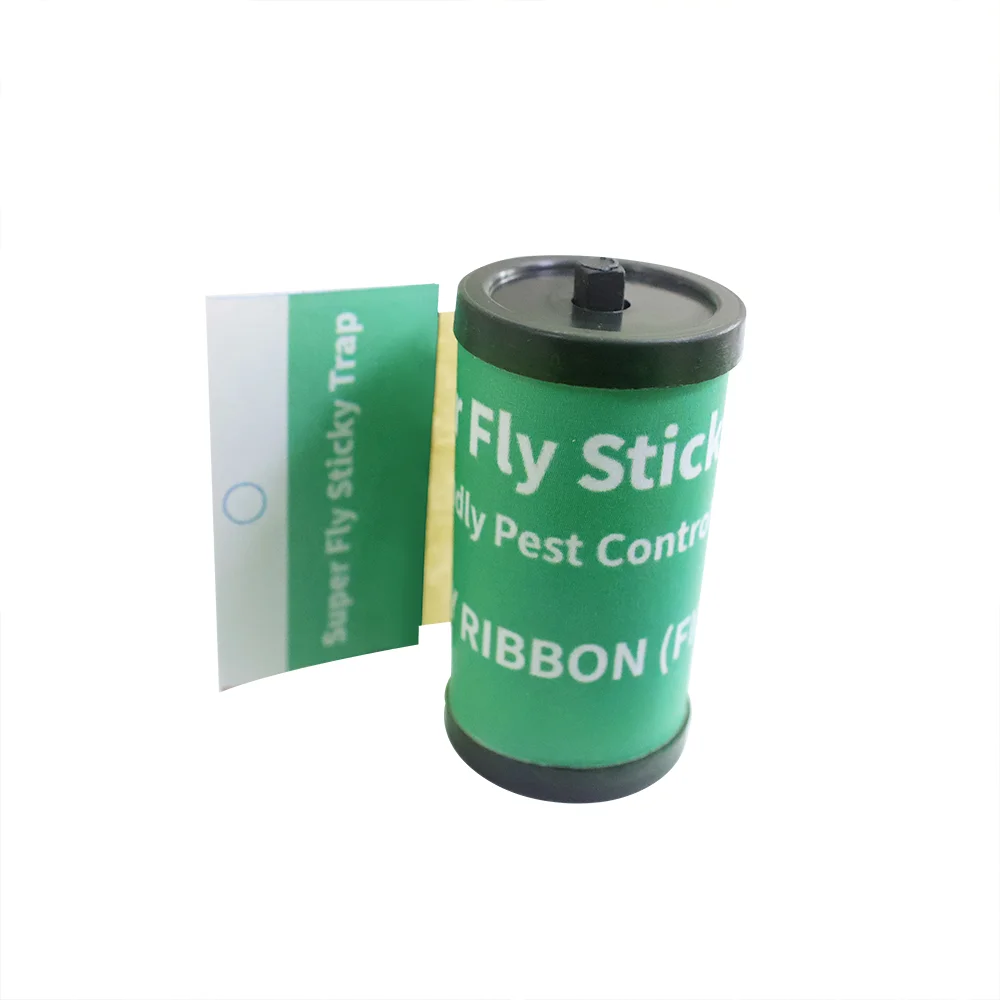
Simply put, sticky traps are devices coated with a specially formulated adhesive designed to physically capture mosquitoes that land on them. Typically, they consist of a surface—often a sticky card or panel—sometimes combined with attractants like UV light or carbon dioxide mimics to lure mosquitoes in.
This concept isn’t new but has evolved with innovations improving stickiness, durability, and selectivity. The traps connect directly to humanitarian efforts by offering a non-toxic, passive means to reduce mosquito populations, helping to lower the transmission of diseases without harming other wildlife.
Key Factors Behind Effective Sticky Traps
- Adhesive Quality and Durability
The glue must remain tacky long enough in diverse climates, resisting dust, humidity, and rain. A trap that loses stickiness quickly becomes ineffective and costly.
- Attractant Integration
Some traps use visual cues or chemical lures to simulate human scent or warmth. This boosts the trap’s efficiency—critical when deploying in areas with dense mosquito populations.
- Scalability and Deployment
Easy-to-install, lightweight traps suit large-scale public health initiatives and individual household use. Portability matters, especially in remote or disaster-hit locations.
- Environmental Safety
Using non-toxic adhesives and attractants prevents harm to beneficial insects like bees, a crucial factor for eco-conscious regions.
- Cost Efficiency
Traps need to balance affordability with durability since many communities in mosquito-prone countries have limited budgets.
Product Specifications Snapshot
| Specification |
Typical Range |
Notes |
| Adhesive Longevity |
2 to 4 weeks |
Varies with climate |
| Trap Size |
15cm x 20cm (approx.) |
Portable and easy to place |
| Attractant Type |
UV light / Lures / CO₂ mimics |
Optional but enhances catch |
| Weight |
50 - 100 grams |
Light enough for easy placement |
| Reusable |
No, single use |
Cost-effective disposable design |
Global Applications and Use Cases
Sticky traps find use in a wide array of contexts. In Southeast Asia and Sub-Saharan Africa, national malaria control programs deploy these traps in both rural and urban settings as part of integrated vector management strategies.
Environmental scientists use them to study mosquito species diversity and population trends—data critical for tailoring interventions. Oddly enough, even tourist resorts have embraced them to enhance guest comfort and health safety.
Post-disaster relief operations utilize traps because they are quick to deploy and don’t require electricity or complex setup. In remote industrial zones, they serve as an ongoing monitoring tool to flag mosquito outbreaks early.
Vendor Comparison: Popular Sticky Trap Options
| Brand |
Adhesive Type |
Attractant Included |
Price (per pack) |
Best Use |
| MosquiCatch |
Non-toxic polymer |
UV light |
$25 (10pcs) |
Urban residential |
| EcoTrap Solutions |
Plant-based adhesive |
CO₂ mimic lure |
$30 (7pcs) |
Rural/field use |
| SafeNest |
Synthetic adhesive |
No attractants |
$18 (10pcs) |
Basic monitoring |
Advantages and Long-Term Value
Sticky traps help curb mosquito numbers without spraying chemicals—a big plus for ecological safety. They’re straightforward to use, require minimal training, and are affordable at scale, all of which makes them viable for developing countries and NGOs.
Beyond economics, there’s an emotional safeguard here: communities feel safer knowing their children and elders face lower mosquito exposure—frankly, there’s a dignity in that. Plus, the traps contribute to data-driven decisions that improve public health policies.
Future Trends and Innovations
Ongoing research aims to boost attractants’ efficacy using biosensors and nanotechnology. Green energy integration, like solar-powered UV lights, will enhance trap efficiency without adding carbon footprints. There’s noticeable momentum toward fully biodegradable sticky surfaces, which would reduce plastic waste that current traps sometimes produce.
Automated monitoring with AI algorithms is another frontier, allowing for real-time mosquito surveillance, essential for rapid response to outbreaks.
Challenges and Solutions in Sticky Trap Use
The main challenge with sticky traps relates to environmental degradation of the adhesive and non-target insect capture. Moisture and dust reduce stickiness; some traps draw beneficial insects inadvertently.
Manufacturers are refining adhesive formulas to balance tenacity and safety, and incorporating visual or chemical cues to target mosquitoes specifically. Periodic replacement, community education, and complementary control methods help optimize results.
Frequently Asked Questions About Sticky Traps for Mosquitoes
- Q: How long do sticky traps stay effective outdoors?
A: Typically, traps maintain effective adhesiveness for 2 to 4 weeks, depending on weather conditions. High humidity or heavy rain can shorten this period, so regular monitoring and replacement is important.
- Q: Can sticky traps capture other insects besides mosquitoes?
A: Yes, non-target insects may get caught. However, many traps are designed to minimize this by using mosquito-specific attractants and colors. Placement away from flowers can also reduce the risk.
- Q: Are sticky traps safe for use around children and pets?
A: Most commercial sticky traps use non-toxic adhesives and attractants, making them safe when used as directed. However, keep traps out of reach of children and animals to avoid accidental contact.
- Q: How do sticky traps compare to chemical insecticides?
A: Sticky traps offer an eco-friendlier alternative without chemical toxins or resistance issues. Their drawback is a slower population reduction speed, so they’re often used as part of integrated vector management.
Conclusion
Sticky traps for mosquitoes are a quietly powerful tool in global mosquito control efforts. They blend practicality, environmental safety, and scalability in a way few alternatives can match. For communities struggling with mosquito-borne diseases, they represent hope that simple tech can make a meaningful difference.
If you want to explore trusted solutions for mosquito control or integrate sticky traps in your health programs, I encourage you to visit our website: https://www.hbarcherfish.com.
So, in real terms, sometimes it’s the small sticky patch that holds the biggest potential to save lives.
References
- World Health Organization – Malaria Fact Sheet
- Wikipedia – Mosquito Trap
- CDC – Mosquito Control