What Is a Fly Stick Trap and Why Should We Care?
At first glance, a fly stick trap might just seem like a simple, sticky strip hanging in kitchens and warehouses to capture pesky flies. But if you think about it, the fly stick trap is actually an elegant solution to a surprisingly global problem — controlling fly populations in both industrial and humanitarian contexts. These traps not only reduce the spread of diseases but also improve food safety, worker comfort, and even protect livestock. All in all, understanding how fly stick traps work and where they matter could be a quiet game-changer for public health and industries worldwide.
The Global Importance of Fly Stick Traps
Across the globe, flies are not just annoying nuisances but vectors of significant health risks. The World Health Organization estimates that flies contribute to the spread of diseases such as cholera, typhoid, and food poisoning. In warmer climates, where flies thrive and sanitation can be inconsistent, these risks escalate dramatically.
For large-scale food producers, agricultural hubs, and disaster relief zones, fly populations can quickly undermine operations. According to the United Nations Food and Agriculture Organization (FAO), contamination through flies leads to billions in lost revenue each year and thousands of health-related incidents.
Here’s where the fly stick trap enters the scene—an accessible, chemical-free, and low-cost method to keep flies at bay, ensuring both human and economic well-being. Flying insects don’t stand a chance when sticky strips are wisely deployed.
Defining the Fly Stick Trap
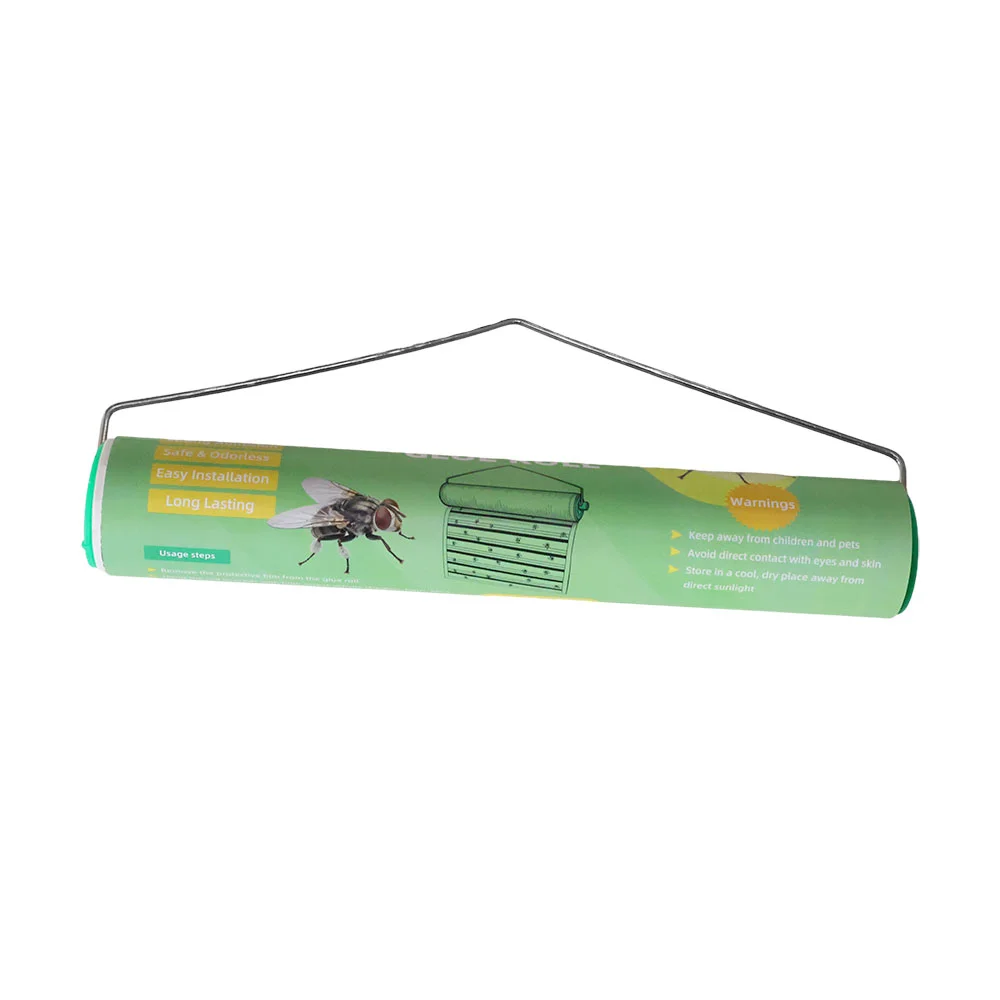
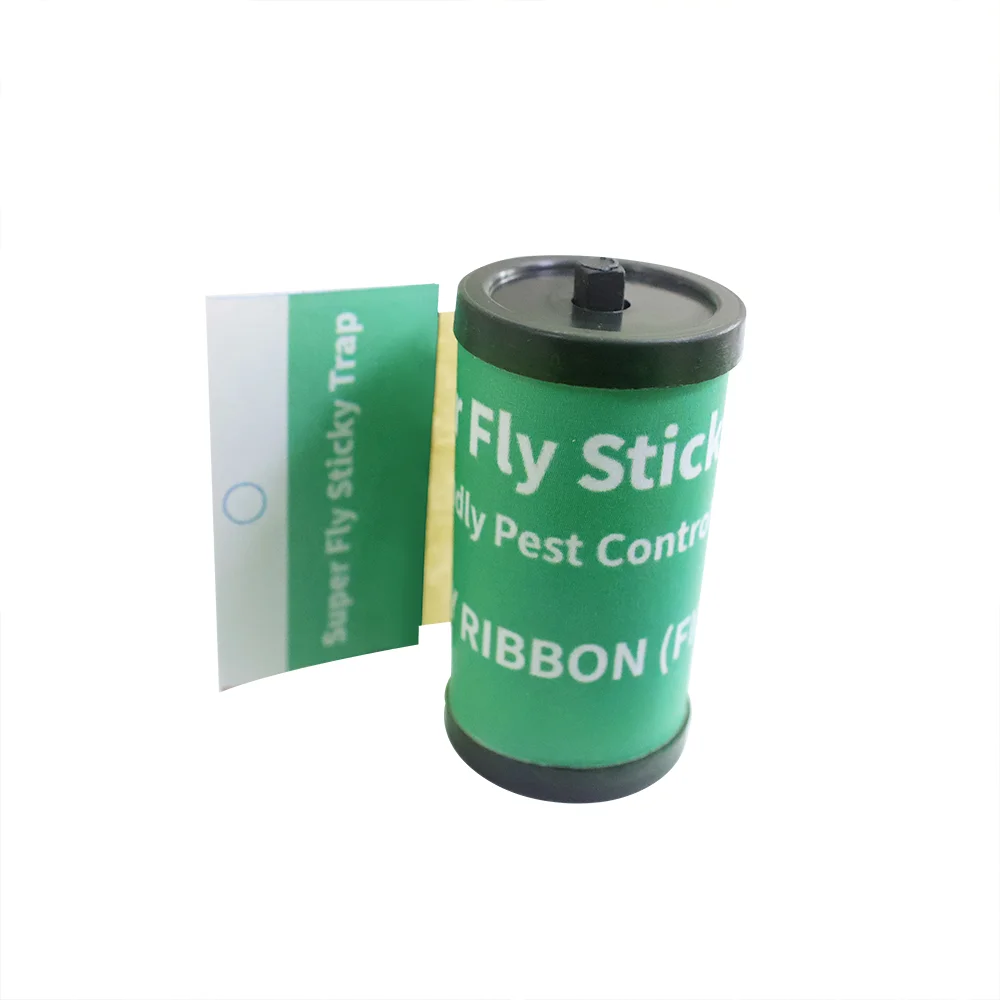
Put simply, a fly stick trap is a strip (usually cardboard or plastic) coated with an adhesive that captures flies on contact. Its shape and coating maximize the surface area while remaining unobtrusive. These strips are often hung where flies congregate—near windows, food prep areas, or garbage zones.
But the fly stick trap is more than just a bug catcher: it’s part of integrated pest management approaches favored in food industry standards (think ISO 22000) and humanitarian aid settings. Its chemical-free design makes it a smart choice for sensitive environments, from orphanages to organic farms.
Core Components of Effective Fly Stick Traps
1. Adhesive Quality
This is the heart of the trap. The glue must be strong enough to capture flies on the first landing but non-toxic and sticky long after application. Many modern traps use eco-friendly adhesives that can last weeks without drying out.
2. Material and Durability
Typically, fly stick traps are constructed from sturdy cardboard or thin plastic. Durability matters when traps must last in humid kitchens or outdoor barns. A flimsy base just can’t hold up.
3. Size and Shape
The design is usually a vertical strip, but some variations come in coils or even boxed forms. The shape affects how easily flies encounter the sticky surface, so traps are optimized for hanging in corners or from ceilings.
4. Placement and Deployment
No trap works if it’s poorly positioned. Clear instructions for placement near fly hotspots are crucial.
5. Safety Features
Since these traps are often in food areas, they must be non-toxic and child-safe.
Mini takeaway: When buying or deploying a fly stick trap, think of these components as a checklist for real-world effectiveness—not just marketing fluff.
Global Applications & Real-Life Examples
Where are fly stick traps making a difference? Pretty much everywhere flies thrive:
- Agriculture: Farms and livestock facilities worldwide use these traps to reduce fly-borne infections and animal stress. In the US Midwest, dairy farms report a noticeable drop in fly-related irritation with regular trap use.
- Food production: In food processing plants in Europe and Asia, fly stick traps are part of mandatory pest control protocols, reducing contamination risks.
- Humanitarian aid and disaster relief: In refugee camps or post-disaster zones (like flood-affected areas in South Asia), NGOs deploy fly stick traps en masse to minimize disease outbreaks.
- Urban settings: Restaurants, markets, and homes in tropical cities from Brazil to Indonesia rely on fly stick traps—especially in the rainy season when insect populations spike.
Mini takeaway: The humble fly stick trap is a globally respected frontline defense that crosses industries and continents.
Advantages and Long-Term Value of Fly Stick Traps
- Cost-Effective: Compared to chemical sprays or electric traps, these sticks are inexpensive both to purchase and maintain.
- Eco-Friendly: With no toxic residues and biodegradable options, fly stick traps are aligned with sustainability goals.
- Health-Safe: No harmful fumes, making them ideal for children, workers, and animals.
- Reliability: Once installed correctly, they work passively and silently, which clients often appreciate.
- Psychological Benefit: Reducing fly activity improves worker morale and customer confidence in food venues.
Plus, there’s a certain satisfaction, almost meditative, watching the trap fill up—it’s a tiny daily victory against nature’s tiniest irritants.
Fly Stick Trap Specifications Table
| Feature |
Specification |
Benefit |
| Material |
Corrugated Cardboard or Recycled Plastic |
Durable for various environments |
| Adhesive |
Non-toxic, long-lasting glue |
Safe & effective trapping |
| Dimensions |
20 x 5 cm (standard strip) |
Easy to hang, optimized for fly contact |
| Shelf Life |
Up to 6 months unopened |
Convenient storage |
| Operating Env. |
Indoor and semi-outdoor |
Versatile use cases |
Vendor Comparison: Finding the Right Fly Stick Trap Supplier
| Vendor |
Price per Pack |
Adhesive Type |
Bulk Order Discount |
Shipping Locations |
| StickyGuard Co. |
$15 (20 strips) |
Eco-Glue™ |
10% off (500+ packs) |
Worldwide |
| FlyAway Solutions |
$13 (25 strips) |
Standard Synthetic |
15% off (1000+ packs) |
North America & Europe |
| GreenTrap Supplies |
$18 (30 strips) |
Plant-Based Adhesive |
20% off (750+ packs) |
Asia-Pacific & Europe |
Looking Ahead: What’s Next for Fly Stick Traps?
The basic design of fly stick traps hasn’t changed all that much in decades, but innovation hints at an exciting future. There’s ongoing research into biodegradable base materials that decompose after use, making disposal easier and greener. Adhesive science is also evolving, with some companies integrating insect pheromones onto the sticky surface to enhance attraction specifically for target species.
Digitally, some fly management systems now integrate traps with sensors that monitor swarm density in real time—helping farms and warehouses plan better interventions. Automation might feel over the top for a humble fly trap, but it shows how embedded these solutions are becoming in precision agriculture and smart facilities.
Challenges and Ways to Overcome Them
Every technology has its limits, and fly stick traps are no exception. Their effectiveness diminishes in heavy rain, high dust, or extremely windy outdoor settings. They can also inadvertently trap non-target insects if placed carelessly.
Experts recommend combining fly stick traps with other pest management strategies like fly screens, sanitation improvements, and fly baiting. Ventilation control inside facilities reduces fly prevalence too. Several NGOs underline the importance of training staff on proper trap placement and timely replacement.
FAQ: Fly Stick Trap Essentials
Q1: How often should I replace fly stick traps?
A: Generally, replace fly stick traps every 4-6 weeks or when the adhesive surface is covered with insects. In high fly activity seasons, replace sooner to maintain effectiveness.
Q2: Are fly stick traps safe for use around food?
A: Yes, provided you use food-safe, non-toxic adhesives and place traps away from direct food contact surfaces. This is standard practice in certified food production plants.
Q3: Can fly stick traps be used outdoors?
A: They can, but effectiveness is reduced by rain and wind. Semi-protected outdoor areas like covered patios or barns work best.
Q4: Do fly stick traps kill all flying insects?
A: Mainly flies and small gnats are caught. Larger or stronger insects can sometimes escape. For broad-spectrum pest control, trapping should be supplemented with other techniques.
Q5: Where can I buy high-quality fly stick traps?
A: Many suppliers exist globally, but quality varies. The vendors compared above offer a good starting point. Also check local agricultural or sanitation supply stores for trusted products.
Conclusion: Why Fly Stick Traps Matter More Than You Think
When you consider all that—health risks controlled, costs saved, and the pure simplicity of sticky cardboard—fly stick traps punch well above their weight. They’re a practical, eco-conscious answer in worlds where insects can wreak havoc on food, health, and comfort.
So next time you walk into a bakery or a farm, spare a thought for that humble fly stick trap quietly keeping things safe and sane.
Ready to learn more or stock up on premium solutions? Visit our website fly stick trap to explore options tailored to your needs.
References
- WHO: Vector-borne Diseases Fact Sheet
- FAO Integrated Pest Management
- Wikipedia: Fly Control