Understanding Extra Large Glue Traps: A Sticky Solution to Bigger Problems
Extra large glue traps might sound like niche pest control gear – and they are – but globally, they’re rather crucial in maintaining hygiene and safety in large-scale environments. Whether it’s food processing plants, warehouses, or agricultural facilities, these traps offer a quiet, chemical-free solution to persistent pest challenges. The global importance? Pest control directly impacts public health, reduces economic loss, and helps sustain food supply chains. Knowing how to effectively deploy and understand these extra large traps can equip industries worldwide to operate cleaner and safer.
The Global Context: Why Really Big Glue Traps Matter More Than You Think
Pest infestations cause billions of dollars in damage annually — something the FAO and WHO have long flagged as a serious issue affecting food security and hygiene. With rapid urbanization and the scaling of industrial facilities, the traditional small glue traps no longer cut it. The demand for extra large glue traps stems from the need to cover bigger surfaces for more efficient pest capture while reducing maintenance frequency. According to recent ISO pest management guidelines, bigger traps often mean fewer traps per unit area, improving labor efficiency and cost-effectiveness. But the challenge? Making traps that stay sticky long enough and hold larger pests without getting messy or wasted.
Mini Takeaway:
Extra large glue traps play a key role in tackling urban and industrial pest issues at scale — a problem only growing as industries expand worldwide.
What Exactly Are Extra Large Glue Traps?
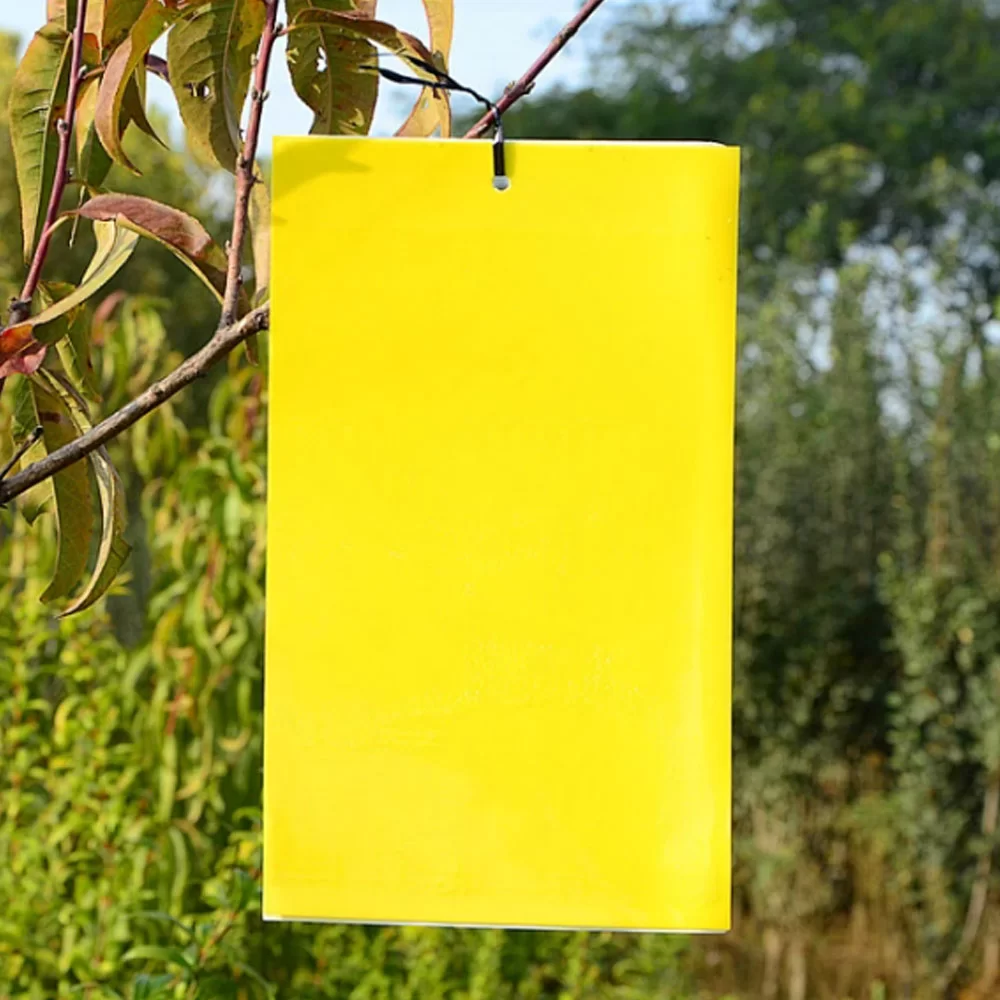
Simply put, these are pest traps featuring an adhesive surface significantly larger than standard glue boards, designed to catch larger or more numerous pests. They are non-toxic, odorless sheets covered with a sticky adhesive, trapping everything from rodents to large insects. Unlike chemical sprays or poisons, they provide a clean, silent, and humane pest control method. Industries and humanitarian organizations especially value them where chemical use is restricted, or safety is paramount.
Practical Connection:
In modern industries, from food processing to pharmaceutical plants, extra large traps mean fewer interventions, less contamination risk, and better compliance with health regulations.
Key Factors That Make Extra Large Glue Traps Work
Durability
These traps need to withstand humidity, dust, and sometimes extreme temperatures without losing stickiness. Many manufacturers use specialized adhesives that maintain tackiness for weeks, even in challenging industrial environments.
Size & Coverage
Typically, these traps span from 14x20 inches to even larger formats, allowing coverage of more surface area, reducing the number of units needed. Size also means they’re capable of capturing bigger rodents or clusters of insects at once.
Safe Materials
Since these traps are often used in food-related settings, adhesives and backing materials must meet health and safety standards, like FDA or EFSA regulations, ensuring no chemical contamination.
Ease of Disposal
Many traps are designed to be disposable and compact once filled, reducing waste volume and making pest disposal hygienic and straightforward.
Cost Efficiency
Though more expensive upfront than smaller traps, the larger surface area means fewer replacements and less labor, providing long-term savings.
Scalability
They can be deployed in various configurations, adapting to complex floor plans or large open areas without complicated setups.
Mini Takeaway:
Durability, size, safety, and cost effectiveness all come together in extra large glue traps — making them a sensible choice for large-scale pest control.
How Are Extra Large Glue Traps Used Across the Globe?
Pest control is universal, but the application of these giant sticky sheets varies:
- Food processing factories in Europe & NA: Used to comply with stringent hygiene standards and to prevent cross-contamination.
- Agricultural warehouses in South America and Asia: Protecting stored grains and produce from rodents and insects to avoid economic losses.
- NGOs in post-disaster zones: Managing rodent populations quickly and safely where chemical options are limited.
- Remote industrial facilities: Long-lasting traps reduce the need for frequent inspections and re-stocking.
Mini Takeaway:
From crisis zones to production lines, extra large glue traps adapt to diverse environments, proving indispensable globally.
Extra Large Glue Trap Specifications in a Nutshell
| Specification |
Details |
| Dimensions |
14" x 20" to 20" x 30" |
| Adhesive type |
Non-toxic, long-lasting synthetic glue |
| Material |
Food-grade backing & non-woven fabric |
| Lifespan (effective stickiness) |
4 - 8 weeks |
| Disposal |
Single-use, biodegradable options available |
| Certifications |
FDA, EFSA, ISO 9001 |
Comparing Leading Vendors of Extra Large Glue Traps
| Vendor |
Pricing |
Stickiness Duration |
Certifications |
Sustainability Efforts |
| TrapMax Global |
$$ |
6 weeks |
FDA, ISO 9001 |
Biodegradable glue options |
| PestCatcher Plus |
$$$ |
8 weeks |
FDA, EFSA |
Recycled materials in backing |
| EcoTrap Solutions |
$ |
4 weeks |
ISO 14001 |
100% biodegradable, plant-based glue |
Advantages & Long-Term Value of Extra Large Glue Traps
Pest control is more than just killing bugs — it’s about safeguarding health, protecting economic stability, and maintaining dignity in public living and working spaces.
- Cost Saving: Less frequent replacements and reduced labor costs amount to measurable savings.
- Sustainability: Many brands now offer biodegradable options, reducing environmental footprint.
- Safety: Non-toxic and odorless glue means safer for humans and pets alike.
- Reliability: Continuous adhesion ensures pests are caught before outbreaks occur.
- Trust: Operators gain confidence knowing pest control is discreet and chemical-free.
Where are Extra Large Glue Traps Heading? Future Trends & Innovations
Advanced adhesives infused with natural oils aim to improve stickiness while lowering chemical residues. Smart traps equipped with sensors and remote monitoring could soon alert managers in real time — reducing waste and improving response times.
Integration with green policies means biodegradable materials are becoming industry norms, and digital pest control analytics promise smarter, more targeted deployments. All this comes alongside a regulatory push globally for safer, greener pest management tools.
Challenges & How Innovators Are Tackling Them
One key limitation remains: traps lose stickiness when dusty or wet. Developers work on hydrophobic surfaces and dust shields. Others explore modular trap systems that can expand or contract according to need without losing effectiveness.
Waste disposal also poses problems: too many used traps add up. Recycling initiatives and compostable materials are becoming more mainstream — thankfully, a nod to circular economy ideals is catching on.
FAQ: Your Burning Questions on Extra Large Glue Traps
Q: How long can extra large glue traps maintain effectiveness in a humid warehouse?
A: Depending on adhesive technology, most traps hold stickiness from 4 to 8 weeks. In high humidity, certain hydrophobic trap variants can extend that lifespan, but regular checks remain essential.
Q: Are these traps safe to use around food preparation areas?
A: Yes. When certified to FDA or EFSA standards, these traps use food-safe glues and backing materials ensuring no contamination risk. Proper placement and disposal further mitigate any concerns.
Q: Can large glue traps handle big rodents or animals? How effective are they?
A: Extra large traps can capture larger pests like rats and sometimes even slightly bigger animals depending on size and glue strength. However, for very large animals, alternative control methods might be necessary.
Q: How does one dispose of used glue traps responsibly?
A: Ideally, follow local waste guidelines. Some suppliers offer biodegradable options that can be composted, but most traps should be carefully sealed and disposed of as pest waste to prevent secondary infestations.
Q: What is a good average price range for bulk ordering extra large glue traps?
A: Prices vary by manufacturer and trap size, but generally bulk pricing ranges between $1.50 to $3 per unit, with discounts for large orders. Choosing suppliers focusing on sustainable production may slightly affect cost but offer long-term benefits.
Wrapping Up: Why You Should Consider Extra Large Glue Traps Today
Honestly, when it comes to pest management at scale, extra large glue traps strike a smart balance — minimizing labor, maximizing coverage, and reducing chemical exposure. They’re no miracle cure, but an essential part of a comprehensive, safe pest control plan. Whether you run a big warehouse, an NGO relief operation, or an agricultural estate, investing in these traps can pay dividends in health, safety, and cost control.
Curious to explore robust, industry-grade extra large glue traps? Visit our website for expert options and advice: extra large glue traps
References
- Food and Agriculture Organization - Pest Management
- ISO 9001 Standards on Quality
- US EPA Pesticide Regulations