Sticky Tape for Bugs: An Essential Tool in Pest Control and Beyond
If you've ever been annoyed by flies buzzing persistently around your home or workspace, you'd appreciate a simple, cost-effective solution like sticky tape for bugs. But beyond just a household inconvenience, these sticky tapes hold global importance—from protecting crops in agriculture to assisting humanitarian efforts in disease prevention. Understanding the role and benefits of sticky tape for bugs opens a window into an almost unsung hero of pest management worldwide.
Why Does Sticky Tape for Bugs Matter Globally?
Pest infestations cost global agriculture billions each year—according to the Food and Agriculture Organization (FAO), crop losses from insects are estimated at 20-40%. Moreover, bugs like mosquitoes carry diseases that pose serious health risks, especially in tropical and developing regions. Sticky tape for bugs provides a chemical-free, easy-to-use method for reducing insect populations both indoors and outdoors. This can reduce reliance on pesticides, which carry environmental and health hazards, especially in low-resource settings.
Think about a way to trap countless disease vectors without harmful sprays—it's not just smart, it's necessary. The global market for pest control products, including sticky solutions, is expected to grow steadily as urbanization and climate change expand insect habitats.
Defining Sticky Tape for Bugs
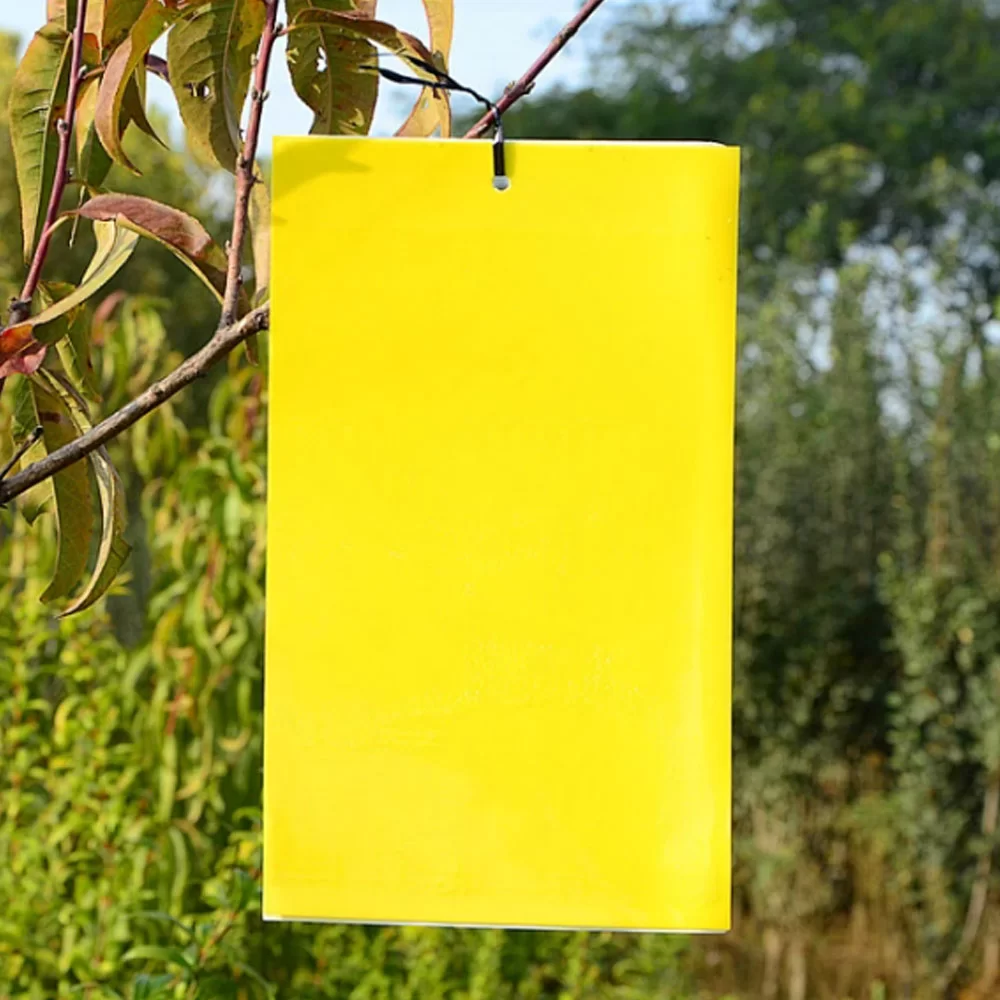
Put simply, sticky tape for bugs is a type of adhesive strip designed to attract, trap, and immobilize insects. Often made from sturdy paper or plastic coated with non-drying, tacky glue, these tapes rely on the bugs’ natural tendencies—either their flight paths or attraction to specific scents. The tape is used extensively in pest control programs, agriculture, and even in research labs for insect monitoring.
It’s important to note that while these tapes sound basic, their role in integrated pest management programs supports larger goals—safer food supplies, fewer disease transmissions, and environmentally friendly pest control methods.
Key Factors That Make Sticky Tape for Bugs Effective
1. Adhesive Quality and Durability
The core of any sticky tape’s function is its adhesive. For pest control, this glue must remain sticky for weeks without drying out or becoming crusty. It also needs to withstand humidity and outdoor conditions if used beyond the home.
2. Eco-Friendly Composition
Increasingly, manufacturers focus on making these tapes biodegradable or recyclable to minimize environmental impacts. The coatings and adhesives avoid toxic chemicals, making them safer for both humans and wildlife.
3. Target Specificity and Attractants
Some tapes include pheromones or sweet scents to lure specific pest types, such as fruit flies or moths. This specificity helps reduce unnecessary capture of beneficial insects.
4. Size and Form Factor
From narrow strips for window frames to larger fold-out boards used in storage warehouses, the size and shape adjust to the usage environment.
5. Ease of Use and Disposal
Since sticky tape for bugs requires minimal setup, it fits neatly into both domestic and industrial pest control routines. Disposal needs to be considered carefully—some designs fold to enclose trapped insects safely.
Mini takeaway:
Sticky tape for bugs might seem straightforward, but behind the scenes, factors like adhesive technology, ecological safety, and lure mechanisms shape its effectiveness across many uses.
How Sticky Tape for Bugs is Used Globally
In agriculture, sticky tapes are widely deployed to monitor and reduce pest populations on fruit trees, vineyards, and vegetable fields. In warm regions like Southeast Asia and Sub-Saharan Africa, these tools catch disease-carrying mosquitoes indoors, helping reduce outbreaks of malaria and dengue fever.
Industrial sectors like food storage and processing plants use sticky traps to comply with hygiene regulations, preventing contamination and spoilage. Even conservationists use sticky tape traps to study insect biodiversity by capturing samples without harmful chemicals.
Here’s a quick snapshot of regional applications:
- Europe: Used extensively in organic farming and greenhouse pest control.
- South America: Integral to smallholder farms combating fruit flies that damage crops.
- North America: Pest monitoring for both urban and rural environments.
Advantages and The Long-Term Value of Sticky Tape for Bugs
First, there’s the cost angle. Sticky tapes are affordable, often less than a few dollars per roll, making them ideal for farmers and households on tight budgets. Beyond that, their non-toxic nature means fewer health risks from chemical exposures—especially important in schools or hospitals.
Longevity matters too—some tapes can remain effective for up to four weeks outdoors. This reliability means fewer replacements, saving resources and reducing waste. And there’s an emotional factor here: many users express relief knowing they have an environmental-friendly solution that avoids poison, aligns with their values, and protects their loved ones from pests.
Product Specification Table: Sticky Tape for Bugs
| Specification |
Details |
| Tape Length |
10 meters (standard roll) |
| Width |
5 cm (variations available) |
| Adhesive Type |
Non-toxic rubber-based glue |
| Effective Duration |
Up to 4 weeks |
| Eco Features |
Biodegradable backing paper |
| Pheromone/Attractant |
Optional (fruit fly-specific version) |
Comparing Top Vendors of Sticky Tape for Bugs
| Vendor |
Product Range |
Price per Roll |
Eco-certification |
Global Shipping |
| PestGuard Inc. |
Basic and lure-enhanced tapes |
$4.50 |
Yes (ISO 14001) |
Yes |
| EcoTrap Solutions |
Fully biodegradable products |
$6.00 |
Certified compostable |
Limited regional delivery |
| Green Pest Control |
Multi-scent attractant variants |
$5.25 |
Partially recyclable |
Worldwide |
Emerging Trends & Innovations
Not surprisingly, innovation in sticky tape for bugs is quietly advancing. Some manufacturers now engineer tapes with microencapsulated attractants that activate only when exposed to light or heat—a neat trick to extend shelf life. Others focus on bio-based adhesives derived from plant materials to replace synthetic glue entirely.
Digital integration is even making an entrance: smart traps with sensors paired with these tapes can count captures and signal for replacement, which could revolutionize urban pest management systems.
One interesting angle is the emphasis on sustainability: as consumers and regulators push greener pest control, these tapes are evolving from single-use to more eco-conscious designs.
Hurdles and How Experts Tackle Them
A key challenge with sticky tapes is their limited efficiency with some flying insects that avoid surfaces, or larger pests that require different trapping methods. Disposal is also tricky when used in large volumes, as the waste accumulates quickly.
Experts suggest combining sticky tape use with other integrated pest management strategies, such as natural predators or cultural controls, to maximize effectiveness. Meanwhile, industry innovations like compostable backing and glue, plus smart monitoring, aim to alleviate ecological footprints.
FAQ: Quick Questions on Sticky Tape for Bugs
Q1: How long does sticky tape for bugs remain effective outdoors?
A: Typically, good-quality sticky tapes retain their sticky properties for up to 3-4 weeks outdoors, depending on weather conditions. Humidity and dust can reduce effectiveness sooner, so regular checks are ideal.
Q2: Can I use sticky tape for bugs in a greenhouse?
A: Absolutely. Many growers use sticky traps to monitor pests in greenhouses as it reduces pesticide use and helps track pest population trends early—crucial for organic farming.
Q3: Are sticky tapes harmful to beneficial insects like bees?
A: Standard sticky tapes attract flying insects indiscriminately, which can trap some beneficial insects. Using pheromone-based or species-specific tapes reduces this, and placing tapes strategically helps minimize unintended catches.
Q4: Is sticky tape for bugs reusable or single-use?
A: Usually, these tapes are single-use due to the adhesive’s nature and insect accumulation. However, some designs allow folding and sealing for safe disposal but not reuse.
Q5: Where can I buy eco-friendly sticky tape for bugs?
A: Many vendors specialize in eco-conscious products—look for certifications like compostable or biodegradable labels. You can find reputable suppliers with global reach through sticky tape for bugs.
Conclusion: Why Sticky Tape for Bugs Still Holds Its Ground
Sticky tape for bugs, despite its simplicity, offers a surprisingly effective and increasingly sustainable way to tackle pest challenges. Its mixture of affordability, eco-friendliness, and practical convenience makes it a staple in pest control strategies worldwide. Whether you’re a farmer, a business owner, or simply someone fed up with pesky flies, these tapes offer peace of mind without hefty environmental costs. For ongoing updates and to explore premium options that fit your exact needs, check out sticky tape for bugs.
Let’s keep an eye out for how this humble strip of glue — quietly evolving — helps create healthier, safer environments everywhere.
References
- Food and Agriculture Organization: Crop Pest Impact
- ISO 14001 Environmental Management
- Wikipedia: Pest Control