Insect Sticky Pads: Tiny Tools with a Huge Impact Worldwide
It might sound quirky at first glance: sticky pads to catch insects. But, when you scratch beneath the surface, insect sticky pads represent a vital, low-tech solution to a surprisingly complex global problem. From controlling pests in agriculture to safeguarding public health, these sticky traps offer a simple, chemical-free way to monitor and reduce insect populations. Around the world, where vector-borne diseases and crop infestations threaten lives and livelihoods, understanding insect sticky pads can be a serious game changer.
Why bother with these sticky sheets? Because bugs, well, they don’t care about borders or politics. They’re everywhere — and thanks to globalization and climate change, their patterns are shifting rapidly. Tackling this requires tools that anyone can deploy, anytime, anywhere. So let’s unravel what insect sticky pads actually are, why they matter on an industrial and humanitarian scale, and how this small tech aids big problems.
Why Insect Sticky Pads Matter Globally
Insect pests are estimated to cause up to 20–40% loss in global crop yields annually, according to the Food and Agriculture Organization (FAO). Meanwhile, vector-borne diseases like malaria, dengue, and Zika affect millions — causing around 700,000 deaths each year (WHO).
Enter insect sticky pads: a simple monitoring and control device that’s safe, effective, and affordable. This non-toxic approach aligns with the World Health Organization’s push for integrated pest management. Plus, in regions where access to insecticides or high-tech traps might be limited, these pads are an accessible frontline defense. They’re not flashy but they work, and that’s everything.
The Challenge at Hand
With pesticide resistance growing, and many communities wary of chemical use, how do you track and reduce pest populations reliably? Insect sticky pads fill this niche, providing a passive, no-electricity-needed method that can be tailored for everything from greenhouses in Europe to remote African farms.
Mini takeaway: Sticky pads aren't just sticky traps. They're a low-cost, scalable intervention in the fight against crop damage and disease vectors worldwide.
What Are Insect Sticky Pads, Anyway?
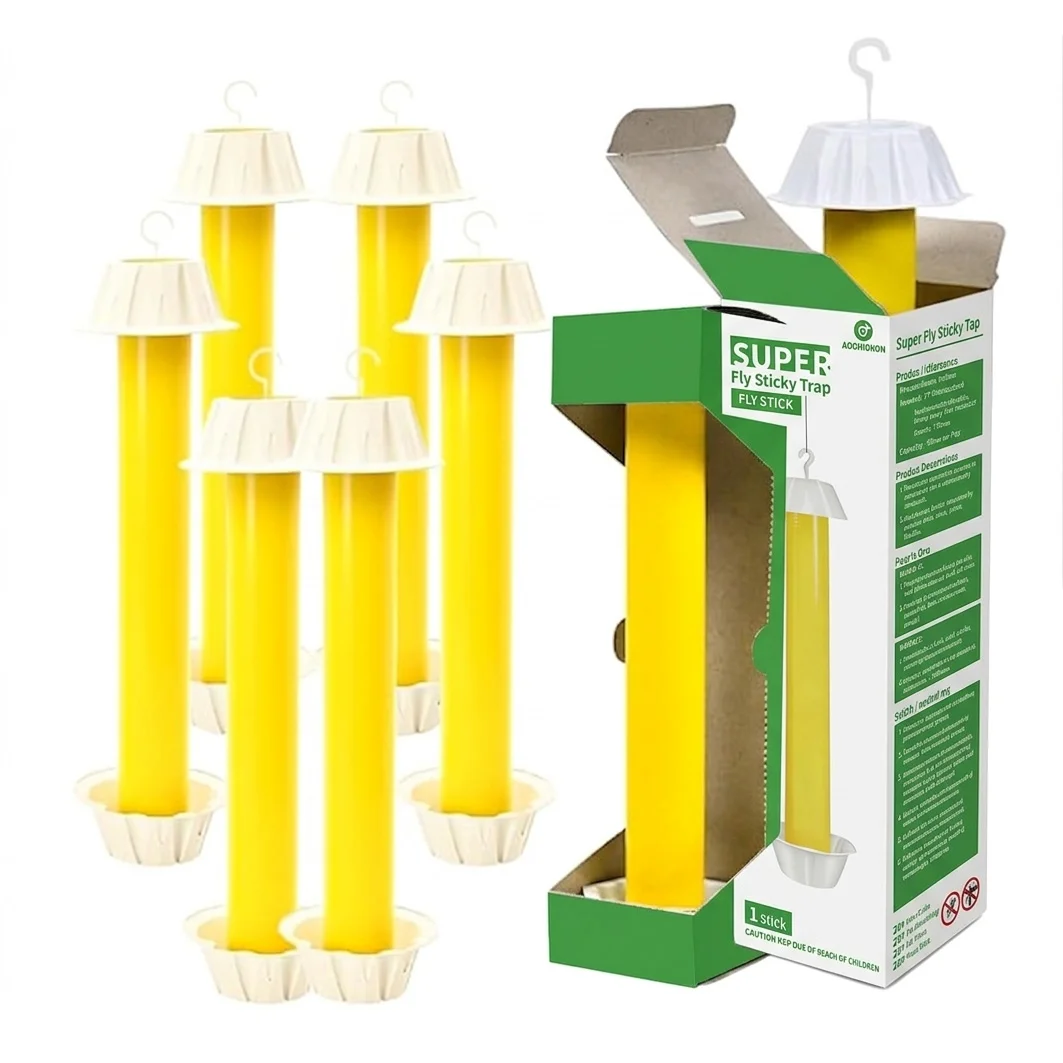
Think of insect sticky pads as flat sheets—often colored yellow or blue—coated with a tacky substance that captures insects on contact. The color matters because many insects are visually attracted to specific hues. Place one near a plant or an entry point, and it acts like a beacon and a flypaper combined.
Unlike chemical sprays, these pads don't kill by poison but by adhesion. That makes them safer for humans, pets, and beneficial insects. For industries like organic farming and food processing, this distinction is crucial.
In humanitarian terms, these pads are used in refugee camps or disaster zones to monitor disease vectors rapidly without requiring in-depth technical knowledge or expensive equipment.
Mini takeaway: Simply put, insect sticky pads physically trap insects through a sticky surface—safe, passive, and effective across environments.
Core Components of Effective Insect Sticky Pads
1. Adhesive Quality
The adhesive is the heart of the sticky pad. It must remain tacky for weeks without drying out yet be non-toxic. Formulations vary, often silicon-based or natural resins, balancing stickiness with environmental safety. A poor adhesive feels like a sticky note on a windy day — useless.
2. Color and Visual Appeal
Insects are attracted to certain colors depending on species — yellow attracts aphids, white can lure leafminers, and blue is great for thrips. Selecting the right color customizes the trap to the target pest, which dramatically improves effectiveness.
3. Durability and Weather Resistance
Especially outdoors, these pads need to survive rain, UV exposure, and temperature swings. Protective coatings or laminated designs help. Industrial-grade sticky pads might be designed to last months without losing grip, important for long-term agricultural use.
4. Size and Placement Scalability
The pads come in many sizes, from handheld strips to large panels. Scalable deployment means farmers can place traps anywhere from small greenhouses to wide open fields — adjusting density to pest pressure and crop type.
5. Eco-Friendly Ingredients
Biodegradable adhesives and recyclable backings align with modern environmental standards like ISO 14001. Sustainable pads reduce ecological footprint and make these products viable long-term.
6. Ease of Use and Disposal
Simple peel-and-stick design means minimal training is needed. Once full of trapped insects, users can safely dispose of pads without special handling or risk.
Mini takeaway: The magic lies in the perfect marriage of sticky chemistry, lure color, durability, and eco-friendliness to meet diverse user needs.
Global Applications and Real-World Use Cases
From sprawling Brazilian soybean farms to smallholder rice fields in Southeast Asia, insect sticky pads are quietly making a difference.
- Agriculture: Farmers use them to detect early pest invasions, enabling targeted interventions and reducing blanket pesticide use.
- Public Health: Vector control programs in regions battling malaria employ yellow sticky traps to monitor mosquito populations accurately.
- Food Industry: Warehouses utilize sticky pads to monitor moth and beetle activity, keeping storage pest-free without chemicals.
- Humanitarian Relief: Post-disaster camps in Mozambique used sticky pads to track mosquitoes, informing strategic spraying and net distribution.
- Research: Entomologists deploy these to study insect behavior and population dynamics with minimal disruption.
One poignant example: In northeast Thailand's rice-growing regions, farmers noticed a 30% drop in pesticide use after adopting insect sticky pads for targeted pest monitoring — translating to cost savings and healthier yields.
Mini takeaway: Whether at the heart of industrial farming or grassroots health efforts, sticky pads provide actionable data and reduce over-reliance on chemicals worldwide.
Advantages and Long-Term Benefits
Aside from the obvious low cost and chemical-free nature, insect sticky pads offer plenty of less visible benefits:
- Sustainability: They support environmentally responsible pest control and reduce chemical runoff.
- User Safety: Without toxic ingredients, the risk to workers and consumers is minimized.
- Reliability: Continuous monitoring means early detection, cutting crop losses and disease outbreaks.
- Trust: Farmers and health workers trust these tried-and-true devices—they rarely fail.
- Data-driven Decisions: Many modern pads integrate with simple digital counters or apps for precision farming.
On an emotional level, these devices embody innovation that’s quiet, humble, but deeply effective — empowering farmers and communities with tools that respect their needs and environment.
Emerging Trends and Innovations in Insect Sticky Pads
The future is actually quite exciting. Researchers are working on incorporating:
- Smart Adhesives: That change color when saturated or when specific pests stick to them.
- Biodegradable Substrates: Materials that naturally decompose within a season, reducing landfill waste.
- Digital Integration: Wireless sensors that count trapped insects and send alerts in real time.
- Customizable Traps: Modular panels designed per pest behavior modeling using AI predictions.
Government policies supporting green agriculture and the UN’s Sustainable Development Goals (SDGs) also drive adoption of these safer pest control methods worldwide.
Mini takeaway: Modern insect sticky pads are evolving beyond simple traps into intelligent, sustainable, and highly adaptable pest management systems.
Common Challenges and Practical Solutions
Of course, no tool is perfect. Sticky pads sometimes struggle with:
- Over-saturation: Pads can fill up quickly in high-insect areas, losing effectiveness.
- Non-target trapping: Beneficial insects sometimes get caught, which is an ecological concern.
- Environmental durability: In extreme climates, adhesives may degrade faster than expected.
Solutions? Many experts recommend:
- Regular replacement and proper density calculations for placement.
- Using selective colors and trap positioning to minimize harm to pollinators.
- New adhesive formulas tailored to regional conditions and biodegradable substrate blends.
Frankly, combining sticky pads with complementary pest management strategies gives the best outcomes.
FAQ: Your Top Questions About Insect Sticky Pads
- How long do insect sticky pads remain effective in the field?
- Typically, they stay sticky and functional for 3 to 6 weeks, depending on weather and insect pressure. High humidity may reduce lifespan, so regular inspection helps.
- Can insect sticky pads be used indoors and outdoors?
- Yes, they’re versatile for greenhouses, storage areas, and open fields — though outdoor use demands more robust, weather-resistant designs.
- Are these pads harmful to beneficial insects like bees?
- Using specific colors and proper trap placement helps minimize impact on pollinators. Still, some collateral catch may occur, so integrated pest management is recommended.
- Do insect sticky pads require any special disposal methods?
- Usually, no. They can be disposed of with regular waste, but checking local regulations is good practice, especially for large-scale use.
- Where can I find high-quality insect sticky pads for commercial farming?
- Several specialized agro-supply companies offer durable, eco-friendly sticky pads. For example, check out options like insect sticky pads for tailored industry needs.
Comparing Popular Insect Sticky Pad Vendors
| Vendor |
Adhesive Type |
Available Colors |
Durability (weeks) |
Eco Certification |
| EcoTrap Solutions |
Natural Resin |
Yellow, Blue, White |
4-6 |
ISO 14001 |
| StickyTech Agro |
Silicone-based |
Yellow, Green |
3-5 |
Pending |
| GreenCatch Co. |
Bio-based adhesive |
Blue, White |
5-7 |
Cradle to Cradle Certified |
Insect Sticky Pad Specifications: What to Look For
| Spec |
Typical Value |
Notes |
| Size |
10 cm × 20 cm (standard) |
Custom sizes available |
| Adhesive Type |
Natural or Synthetic Resin |
Non-toxic, weather resistant |
| Color |
Yellow, Blue, White, Green |
Species-specific targeting |
| Shelf Life |
6–12 months (unopened) |
Stored in cool, dark place |
| Effective Life (deployed) |
3–6 weeks (weather dependent) |
Replace regularly for best results |
Wrapping It Up: Why Insect Sticky Pads Are Here to Stay
It’s tempting to overlook something as modest as an insect sticky pad. Yet these small, sticky sheets quietly contribute billions of dollars of value annually to agriculture and health sectors worldwide. They offer a rare blend of low-tech accessibility with proven effectiveness that resonates across cultures and climates. While future innovations promise to make them smarter and greener, their core strengths remain unchanged: simple, scalable, and sustainable pest management.
Whether you’re a farmer in Iowa, a public health worker in Ghana, or a warehouse manager in Germany, insect sticky pads offer a dependable tool for insect monitoring and control that just works. If you want to explore the right products for your needs, take a look at insect sticky pads and feel free to reach out with your questions.
Thanks for sticking with me on this journey through the sticky world of insect control! It’s a reminder that sometimes, the simplest solutions have the biggest effects.
References
- World Health Organization: Vector-borne diseases
- Food and Agriculture Organization (FAO) Statistics
- Wikipedia: Sticky trap