Understanding Mosquito Sticky Traps: A Small Solution with a Global Impact
From the bustling cities of Southeast Asia to rural villages in Africa, mosquitoes are more than just a nuisance — they’re carriers of diseases like malaria, dengue, and Zika, affecting millions annually. Among various control technologies, the mosquito sticky trap stands out as an innovative, eco-friendly tool to mitigate these health risks. But what exactly makes these traps effective? And why is their relevance growing on a global scale? Let’s dive into the nuts and bolts of this deceptively simple device that carries serious benefits.
Mini takeaway: The mosquito sticky trap isn’t just glue and paper—it’s a frontline weapon in the global fight against vector-borne diseases.
The Growing Need for Mosquito Control Worldwide
According to the World Health Organization, over 700 million cases of mosquito-borne diseases are reported every year globally, leading to millions of deaths and huge economic burdens. In developing countries, these diseases contribute significantly to child mortality and limit economic development. The United Nations has emphasized vector control as a critical component of sustainable development goals, pushing for innovative, low-cost solutions suitable for diverse environments.
Traditional measures like insecticide spraying come with environmental and resistance issues, making alternatives like sticky traps highly attractive. Mosquito sticky traps provide a physical barrier without chemicals, which appeals to eco-conscious communities and health organizations alike.
Mini takeaway: The mosquito sticky trap answers a growing global dilemma: effective, sustainable mosquito control without ecological harm.
What Is a Mosquito Sticky Trap?
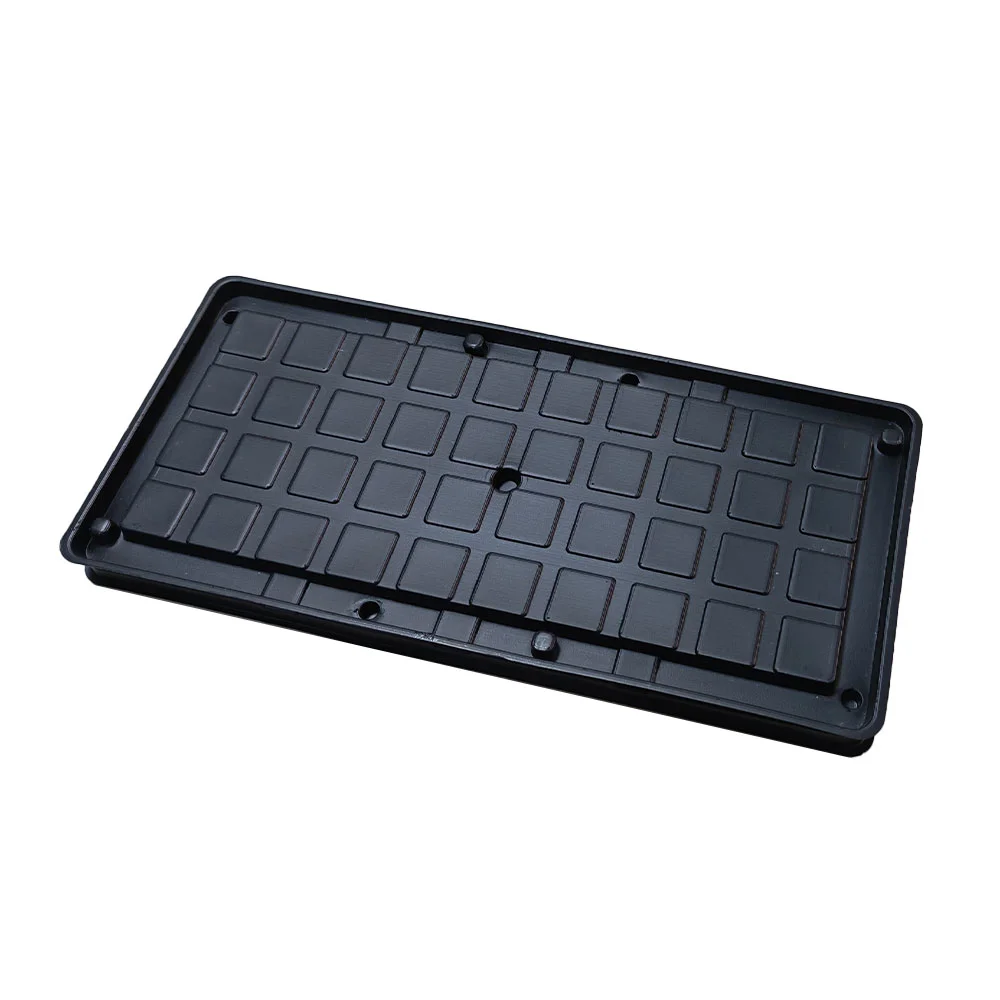
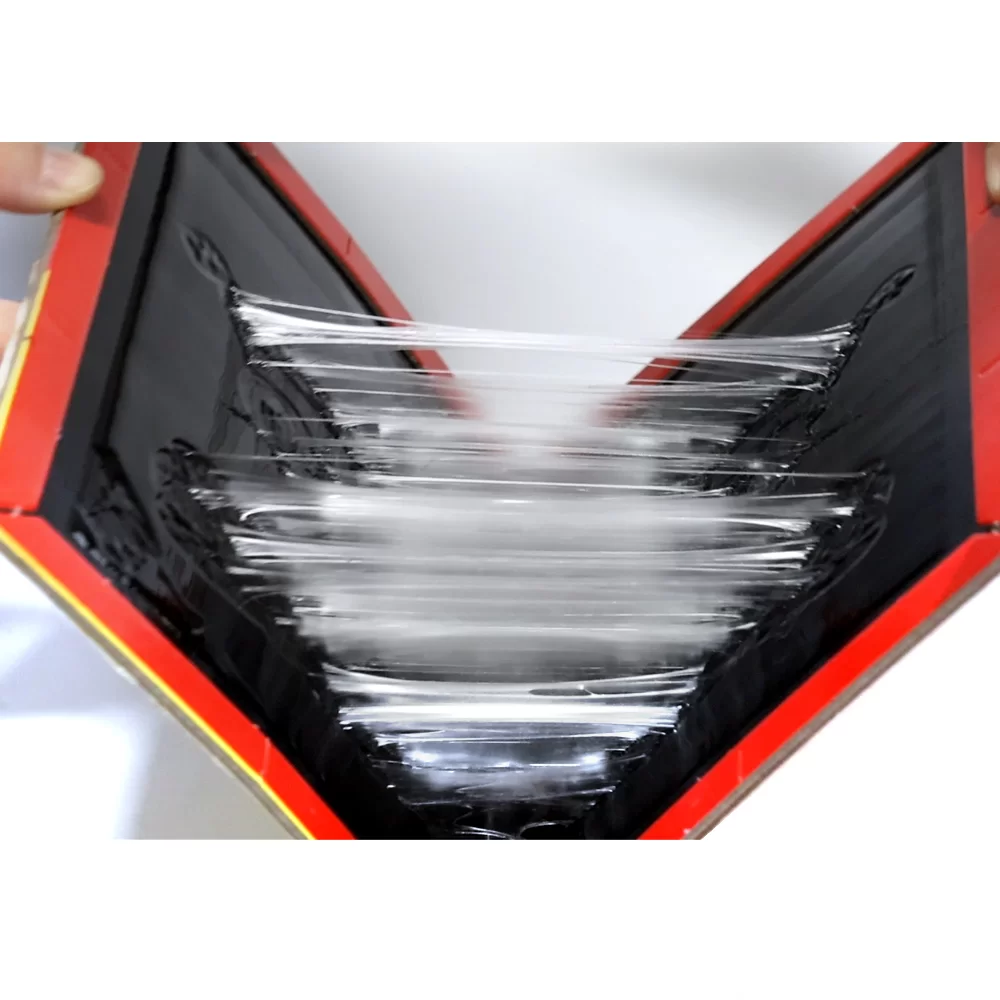
Simply put, a mosquito sticky trap is a device that attracts mosquitoes and captures them on a sticky adhesive surface, preventing bites and breeding. It generally combines visual lures, sometimes light or CO2 mimics, with a glue-coated panel or card that holds the insects captive once they land.
While it may sound like a basic flypaper, its design and deployment reflect a thorough understanding of mosquito behavior, making it a modern tool both for personal use and wider public health campaigns.
Mini takeaway: It’s not magic glue — the mosquito sticky trap uses behavioral science to catch these tiny threats effectively.
Key Components and Features of Mosquito Sticky Traps
1. Durability
Many of these traps are designed for outdoor use — exposed to sun, humidity, rain. Materials need to resist weathering without losing stickiness. Durable traps extend deployment cycles, reducing replacement frequency and thus costs.
2. Attractiveness
Color contrast, UV light use, or even chemical attractants like octenol enhance the trap’s ability to lure mosquitoes specifically. Designers focus on making traps species-specific, reducing bycatch.
3. Cost Efficiency
Sticky traps tend to be cheaper than electric zappers or chemical sprays, especially for mass distribution. Their low tech nature means fewer maintenance needs, which is essential in remote or low-resource regions.
4. Ease of Deployment
With no electricity needed and a simple setup, these traps can be rapidly deployed in emergency zones or homes, making them incredibly versatile for NGOs and governments.
5. Environmental Safety
Using no insecticides, these traps avoid ecological side effects that chemicals cause, safeguarding beneficial insects and reducing pollution.
Mini takeaway: These factors combine to make the mosquito sticky trap a practical, user-friendly, and sustainable mosquito control option.
Real-World Uses of Mosquito Sticky Traps
Globally, various organizations are adopting mosquito sticky traps:
- Post-disaster relief operations: In flood-affected regions, these traps help curb disease spikes when standing water prodigiously breeds mosquitoes.
- Remote industrial sites: Mining camps or construction zones without grids use sticky traps to safeguard workers’ health.
- Urban neighborhoods in tropical climates: Public health authorities deploy traps to reduce mosquito populations non-intrusively.
- Research and monitoring: Entomologists employ sticky traps for species identification and population tracking.
Mini takeaway: In many corners of the world, sticky traps are quietly making a huge impact from the ground up.
Advantages and Long-Term Value of Mosquito Sticky Traps
Beyond catching mosquitoes, these traps represent a thoughtful balance of cost, sustainability, and community trust. They can reduce the reliance on chemical insecticides, lowering environmental contamination and resistance development. For families, there’s emotional relief in knowing their children have safer play areas. In resource-limited settings, this means less money diverted to medical care, more productivity, and overall dignity.
Additionally, because the traps can be locally assembled or customized, they support local economies and innovation.
Typical Specification Table for a High-Quality Mosquito Sticky Trap
| Specification |
Details |
| Dimensions |
30 cm x 20 cm panel |
| Adhesive Type |
Non-toxic, weather-resistant glue |
| Attractants |
UV reflecting surface; optional octenol lure |
| Lifespan |
Up to 4 weeks outdoors |
| Weight |
150 grams |
| Power |
None - passive trap |
Vendor Comparison: Leading Mosquito Sticky Trap Providers
| Vendor |
Product Features |
Price per Unit |
Suitable Use |
Distribution |
| EcoTrap Solutions |
UV light + non-toxic glue, biodegradable materials |
$3.50 |
Urban & rural |
Worldwide |
| VectorSafe Tech |
Octenol attractants, high-tack adhesive |
$4.20 |
Industrial zones |
Europe, Asia |
| StickyGuard |
Simple low-cost design, biodegradable glue |
$2.80 |
NGO/disaster relief |
Africa, Latin America |
What's Next? Future Innovations in Mosquito Sticky Traps
The field is evolving fast. Researchers are experimenting with bio-lures based on mosquito pheromones, and some are even developing solar-powered modules that integrate sticky traps with smart sensors to track mosquito populations in real-time.
Materials science is also pushing boundaries: envision sticky surfaces that regenerate or biodegrade faster without losing efficacy. At the same time, digital data from traps is being used to forecast outbreaks and guide targeted interventions. It feels a bit like tossing a tiny sensor-net into the wild — but with big data power behind it.
Challenges and How Experts Are Overcoming Them
Sticky traps, though promising, are not a silver bullet. Their capture range can be limited compared to electric or chemical methods, which means combining strategies often works best. Also, in humid or dusty environments, adhesive effectiveness can decline quickly.
Experts suggest practical solutions like modular trap designs allowing easy replacement of sticky panels, situating traps optimally near breeding sites, and combining traps with educational community programs to maximize impact. Frankly, it’s an area where local knowledge makes a big difference.
FAQ: Your Mosquito Sticky Trap Questions Answered
Q1: How often should I replace the sticky panels on a mosquito sticky trap?
A1: Typically, replace adhesive panels every 3 to 4 weeks, depending on environmental conditions. In wet or dusty surroundings, more frequent replacement ensures the trap remains effective.
Q2: Are mosquito sticky traps safe for children and pets?
A2: Yes, since they do not use chemicals or electricity, mosquito sticky traps are generally safe around children and animals. However, keep traps out of direct reach to avoid accidental contact with adhesive surfaces.
Q3: Can sticky traps control large mosquito populations alone?
A3: Sticky traps are most effective as part of integrated mosquito management programs. They help reduce local populations but should be combined with habitat removal and other control methods for significant impact.
Q4: How environmentally friendly are mosquito sticky traps?
A4: Very much so. Many traps use biodegradable materials and avoid chemical insecticides, minimizing ecological disruptions and protecting beneficial insects.
Q5: Where can I purchase effective mosquito sticky traps?
A5: Reliable products are available worldwide through authorized vendors and NGOs. For trusted options and expert advice, visit this mosquito sticky trap resource.
Wrapping It Up: Small Traps, Big Impact
In the bigger picture of global health and environmental preservation, the mosquito sticky trap proves that sophisticated solutions needn’t be expensive or complicated. Their durability, eco-friendliness, and simplicity make them indispensable, especially in places where every dollar and every effort counts. As technology advances, these traps will become smarter, more effective, and better integrated into public health frameworks worldwide.
If you’re looking for a sustainable method to reduce mosquito-borne disease risks—whether for your community, workplace, or research—consider the mosquito sticky trap. For detailed specs, sourcing information, and expert guidance, visit our website today, and take a small step toward healthier, safer environments.
Mini takeaway: Mosquito sticky traps may feel low-tech but pack a punch where it matters most—saving lives.
References
- World Health Organization - Vector-borne diseases
- United Nations Sustainable Development Goals Report 2023
- Wikipedia - Mosquito control