Cockroach Glue Trap: More Than Just Pest Control
At first glance, the humble cockroach glue trap might seem just a simple stick of tacky paper — designed to catch one of humanity’s most persistent household pests. Yet, when you zoom out and think about it from a global standpoint, it touches on health, safety, and sustainability in ways that often go unnoticed. This tiny pest control solution matters not just for homes, but for industries, humanitarian efforts, and public health worldwide.
Globally, cockroaches are more than unwelcome guests; they are vectors for disease, triggering allergies and contaminating food supplies. According to the World Health Organization, pests like cockroaches exacerbate urban health issues, especially in densely populated or disaster-stricken areas. So understanding cockroach glue traps – their design, application, and benefits – isn’t just about keeping your kitchen clean; it’s a step toward better health outcomes worldwide.
Why Cockroach Glue Traps Matter in a Global Context
In urban slums, refugee camps, and even industrial warehouses, cockroaches thrive unchecked. The UN estimates that over 1 billion people live in inadequate housing conditions where typical pest control methods can be difficult or dangerous to implement. Here, cockroach glue traps offer a low-cost, chemical-free alternative. Especially useful in places where spraying insecticides is risky or prohibited, these traps reduce pest populations without impacting human or environmental health.
But the challenge remains: how to use them effectively across such varied contexts? Understanding their design and function is the first step toward scalable pest management solutions that can save healthcare costs and improve quality of life for millions.
What Exactly Is a Cockroach Glue Trap?
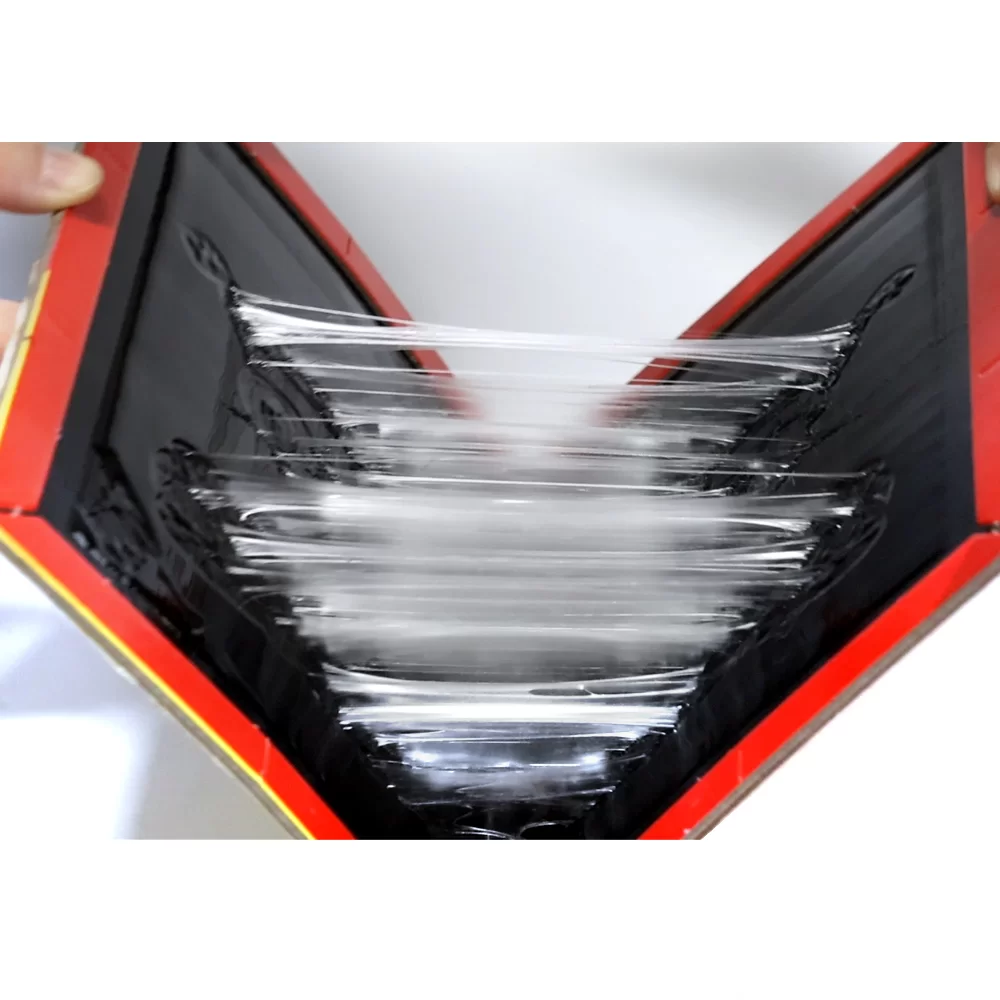
Simply put, a cockroach glue trap is a flat, usually cardboard-based device coated with a specially formulated adhesive that captures cockroaches on contact. When placed in strategic areas – like dark corners or near food sources – the trap lures and retains cockroaches, making it easy to monitor or remove infestations.
Unlike chemical sprays that can be toxic or evade regulations in sensitive areas, glue traps offer a mechanical solution, safer for households, hospitals, food processing plants, and even eco-sensitive zones. They are an example where simple material science meets public health and industry requirements.
Core Features of Effective Cockroach Glue Traps
1. Adhesive Strength and Durability
The glue used must be sticky enough to immobilize cockroaches quickly but not dry out over time. Longevity matters too: traps need to remain effective for several weeks in various temperature and humidity conditions.
2. Non-Toxicity and Safety
Because humans and pets often share spaces, traps are formulated to be non-poisonous and environmentally friendly — a significant advantage over pesticide treatments.
3. Discreet Design and Ease of Use
Most traps are small, flat, and low-visibility, making them ideal for homes, offices, and warehouses. Simple to set up, easy to dispose of, and requiring no special training.
4. Cost Efficiency
Glue traps are relatively inexpensive and, when deployed correctly, can drastically reduce infestation levels without the need for repeat chemical treatments. This saves money and reduces chemical residues in sensitive environments.
Typical Cockroach Glue Trap Specifications
| Feature |
Description |
| Dimensions |
12cm x 8cm (approx.) |
| Adhesive Type |
Non-toxic, long-lasting tacky resin |
| Material |
Cardboard with moisture-resistant coating |
| Effective Duration |
Up to 4 weeks |
| Approval |
Environmentally safe (EPA or equivalent) |
| Packaging |
Bulk boxes of 50/100 traps |
Real-World Applications of Cockroach Glue Traps
From large urban centers across North America and Europe to tropical regions in Asia and Africa, cockroach glue traps have found practical use in many contexts. For instance:
- Food industry: Many food production facilities and restaurants depend on glue traps to meet stringent hygiene regulations without chemical residues affecting their products.
- Humanitarian relief: In refugee camps and post-disaster shelters where spray insecticides are impractical or hazardous, glue traps assist in controlling disease-carrying pests.
- Residential: In older housing complexes with endemic infestations, affordable glue traps provide an accessible way to monitor and reduce cockroach populations.
- Healthcare environments: Glue traps are commonly used within hospitals and clinics to maintain sterile environments while avoiding chemical exposure for patients and staff.
An interesting example from Southeast Asia involved NGO teams distributing glue traps alongside sanitation kits in flood-affected villages. The direct impact in reducing outbreaks of cockroach-related allergies and contamination was measured over several months — demonstrating these traps' potential beyond mere nuisance control.
Vendor Comparison: What to Look for When Choosing a Cockroach Glue Trap
Top Vendors of Cockroach Glue Traps
| Vendor |
Adhesive Technology |
Environmental Certification |
Price Range (per 100 units) |
Bulk Supply Capability |
| EcoTrap Solutions |
Latex-based non-toxic resin |
ISO 14001 certified |
$75–90 |
Yes, worldwide |
| SafePest Innovations |
Synthetic polymer adhesive |
EPA-approved |
$65–80 |
Regional (Asia-Pacific) |
| GreenCatch Inc. |
Natural resin blend |
Certified biodegradable |
$85–100 |
Yes, limited regions |
Advantages and Why They Still Make Sense Today
People often underestimate simple tools until they’re the last thing standing when a full chemical approach isn’t viable. Cockroach glue traps combine these qualities beautifully:
- Cost-effective: They are generally cheaper than repeated pesticide applications.
- Eco-friendly: They minimize chemical exposure to humans, pets, and ecosystems.
- Safe for sensitive environments: Great for hospitals and kitchens where residue and fumes are unwanted.
- Visible results: You actually see how many pests you’ve caught, which helps in monitoring infestations accurately.
Moreover, there’s a human side to this story: reducing pests means better living conditions and dignity for many vulnerable populations, an emotional value often lost in technical conversations.
Looking Ahead: The Future of Cockroach Glue Traps
Innovation within this simple device continues quietly but meaningfully. For example:
- Researchers are experimenting with biodegradable adhesives to make traps fully compostable, reducing landfill waste.
- New formulations incorporate pheromones or food attractants to increase catch rates without chemicals.
- Smart traps with electronic sensors are emerging, remotely alerting pest control teams to new infestations — although these are more niche and advanced.
So, while glue traps might feel like “old school,” the industry is striving for sustainability and integration with digital pest management. It’s a subtle but ongoing evolution.
Challenges and How the Industry Is Addressing Them
Glue traps aren’t perfect, of course. They sometimes have a limited lifespan or can be less effective in very humid or dusty environments where adhesive weakens. Also, not all users know where or how to place them optimally, leading to wasted traps.
In response, manufacturers and pest control experts recommend:
- Supplementing glue traps with integrated pest management (IPM) that includes sanitation and habitat removal.
- Training programs for users on ideal trap placement and timing.
- Innovation in trap materials to extend moisture resistance and shelf life.
FAQ: Common Questions About Cockroach Glue Traps
Q1: How long does a cockroach glue trap stay effective once placed?
A1: Typically, these traps remain effective for up to four weeks, depending on environmental factors like humidity and temperature. In very humid conditions, efficacy may diminish faster, so regular replacement might be necessary.
Q2: Are cockroach glue traps safe around children and pets?
A2: Yes, most commercial glue traps use non-toxic adhesives that pose minimal risk. However, you should still place traps out of reach to avoid accidental contact or ingestion.
Q3: Can these traps completely eliminate a cockroach infestation?
A3: Glue traps are primarily for monitoring or reducing populations but rarely eliminate an infestation alone. They work best as part of a broader integrated pest management approach.
Q4: What is the best way to dispose of used glue traps?
A4: Dispose of used traps in sealed bags to avoid contact with trapped pests, then place them in regular trash or follow local hazardous waste guidelines if applicable.
Q5: Are there alternatives to glue traps that don’t use chemicals?
A5: Yes, options include mechanical traps with baits or environmental controls like sealing entry points, but glue traps balance ease, safety, and effectiveness uniquely well.
Wrapping It Up: Why Cockroach Glue Traps Still Hold Their Ground
In a world rushing towards high-tech solutions, sometimes the simplest answer sticks — quite literally. Cockroach glue traps continue to be a cornerstone in pest management because they are cheap, safe, and effective, especially where chemical use is limited or undesirable. Their role in public health, food safety, and humanitarian efforts can’t be overstated.
For anyone seeking reliable, affordable pest control solutions, these traps are worth a spot on the checklist. Curious to explore more? Visit our website: cockroach glue trap for detailed products and expert advice.
References
- World Health Organization – Health and Household Waste
- ISO 14001 Environmental Management
- U.S. Environmental Protection Agency: Pesticides