What Are Glue Boards for Insects and Why Should We Care?
At first glance, glue boards for insects might sound like a simple pest control tool — and, well, they are — but their importance stretches far beyond just keeping a pesky fly off your kitchen counter. Globally, pests like flies, cockroaches, and other insects carry diseases, contaminate food, and threaten public health. These tiny creatures cost industries billions annually in damage and lost productivity. Understanding and effectively deploying glue boards isn't just about neatness; it's about safety, compliance, and sustainability. Plus, their ease of use and chemical-free nature make them pivotal in sensitive environments like hospitals and food processing plants. So, while they may seem humble, glue boards are quietly battling some serious global challenges.
Mini takeaway: Glue boards for insects offer a vital, eco-friendly method to reduce pest-related health risks and economic losses worldwide.
Glue Boards for Insects: A Global Perspective
Have you ever realized how much insects affect our interconnected world? According to the World Health Organization (WHO), vector-borne diseases like dengue and malaria cause hundreds of thousands of deaths annually, and controlling insect populations is key.
That’s where glue boards step in — simple technology with global impact.
The UN Food and Agriculture Organization emphasizes integrated pest management to reduce chemical pesticide use. Glue traps support that by offering a low-toxicity alternative.
Industries worldwide—from food manufacturing in Europe to hospitals in North America and agricultural hubs in Asia—rely on such traps. Regulatory bodies like ISO also stress the importance of pest control in quality management, making glue boards practically a standard part of compliance.
Yet a problem remains: balancing effectiveness with safety and environmental concerns. Chemical pesticides, while powerful, raise resistance and pollution issues. Glue boards, by contrast, are simple, affordable, and non-toxic, making them an increasingly popular option.
What Exactly Are Glue Boards for Insects?
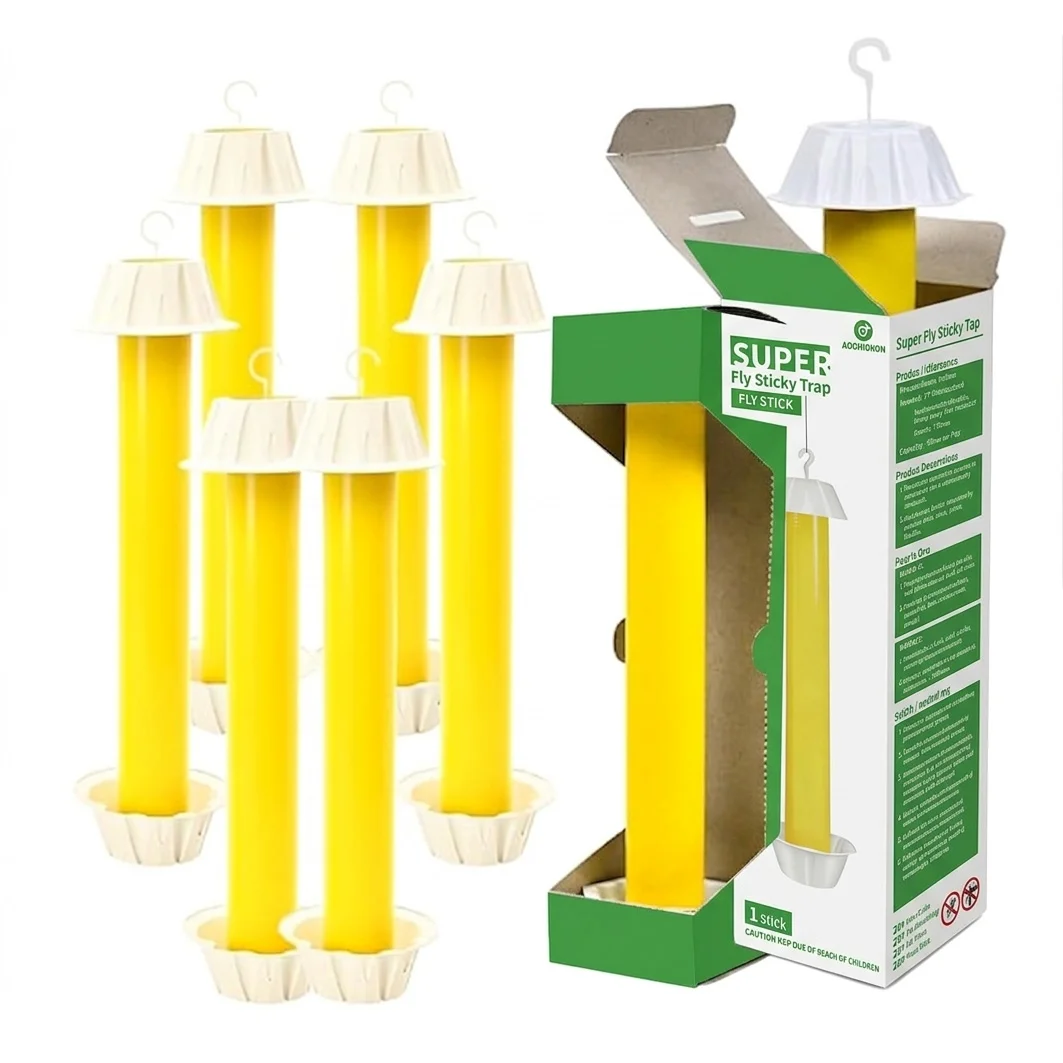
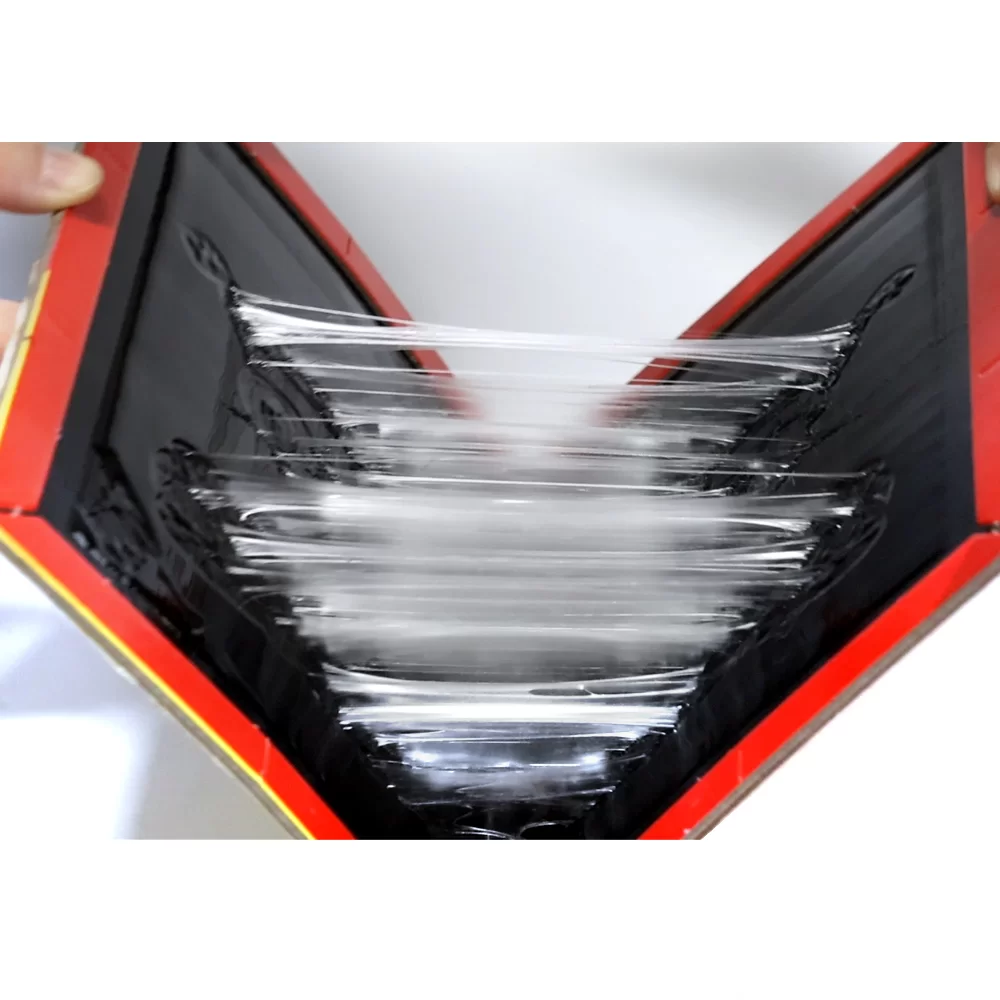
In plain terms: glue boards are flat trays or strips coated with a sticky adhesive designed to trap crawling or flying insects when they land. Think of it as a flypaper cousin but built sturdier, with no messy drips or odors.
They come in various sizes and shapes but share a simple mechanism—effective physical entrapment without chemicals.
Modern glue boards integrate into pest control systems in food processing, healthcare, warehouses, and even humanitarian aid settings. Often combined with attractants or light traps, they become part of a broader integrated pest management strategy.
Oddly enough, this “low-tech” approach fits perfectly in an era craving green, sustainable solutions. And with industrial and humanitarian needs growing, especially in crowded urban or disaster zones, the demand for reliable, easy-to-use glue boards isn’t going anywhere.
Core Factors Behind Glue Board Effectiveness
1. Adhesive Strength and Durability
Not all sticky coatings are created equal. Many engineers and pest controllers say the adhesive must withstand variable temperatures and humidity without drying out or losing tackiness. It’s the difference between trapping a dozen flies or just a handful.
2. Size, Shape, and Placement Flexibility
Glue boards vary from small strips fit for corners to large trays placed near machinery. Their shape and portability let users adapt them to unique spaces, whether the tight gaps in shipping containers or broad food prep areas.
3. Chemical-Free Safety
For food, healthcare, or schools, non-toxic pest control methods are essential. Glue boards rely on physical capture, sidestepping worries over chemical residues or inhalation hazards.
4. Cost Efficiency and Availability
Glue boards are cheap to produce and deploy, making them affordable for small farms and large factories alike. This scalability ensures real, sustained pest management without breaking budgets.
5. Integration with Monitoring Systems
In some modern facilities, glue boards double as monitoring tools—helping track insect populations over time to guide corrective steps. Digital monitoring combined with traditional glue traps is a clear trend.
Mini takeaway: The best glue boards balance stickiness with versatility, safety, and cost — fitting both high-tech and straightforward pest control scenarios.
Glue Boards for Insects in World Contexts: Use Cases & Applications
- Food Processing Industry: In Europe and North America, hygiene standards demand constant pest control. Glue boards are mandatory tools ensuring insect-free production lines.
- Healthcare Facilities: Hospitals use glue boards to minimize pathogen transmission, especially in operating rooms and patient wards (WHO guidelines).
- Humanitarian Relief: After disasters, in places like refugee camps, glue boards provide low-risk pest control where chemical use is unsafe or impractical.
- Agriculture: Organic farms globally employ glue boards to reduce reliance on pesticides, in line with UN sustainability goals.
- Warehousing & Logistics: In warehouses and shipping containers, especially in tropical climates, glue boards help prevent insect contamination during transport.
Realistically, these boards function anywhere that pest control meets safety concerns—a versatility that keeps them in constant demand.
Advantages & Long-Term Value of Using Glue Boards
What’s the real value of glue boards beyond “they just work”? The answer layers from financial to emotional:
- Cost Savings: Lower pesticide use means less spending and fewer regulatory hassles.
- Sustainability: Non-chemical, biodegradable options reduce environmental impact significantly.
- Reliability & Trust: Staff trust that safety standards are upheld without posing risks to workers or consumers.
- Health & Dignity: In humanitarian settings, pest control supports dignity, preventing insect-borne sicknesses in vulnerable populations.
Frankly, in industries where reputation and compliance matter, glue boards become more than just traps — they are symbols of innovation meeting responsibility.
Innovations and Future Trends Impacting Glue Boards for Insects
Emerging trends weave glue boards into smarter pest control solutions. For example:
- Eco-friendly Adhesive Materials: New bio-based glues reduce chemical byproducts and increase biodegradability.
- Digital Monitoring: Sensors detecting insect counts on glue traps feed into AI systems forecasting outbreaks—helping proactive interventions.
- Combining Light and Pheromones: Integrated lures increase trap effectiveness without raising environmental concerns.
- Customization: Industry-specific solutions adapting glue board size and stickiness based on locale and target pests.
These innovations add layers of sophistication to a seemingly “simple” tool.
Challenges and Solutions in Using Glue Boards Effectively
Of course, glue boards aren't perfect. One common gripe is that traps can fill up quickly, requiring frequent replacement. Another is that they mostly catch insects physically—meaning they're less effective for flying species who avoid landing.
Solutions include:
- Optimizing adhesive formulations to extend lifespan.
- Combining glue boards with attractant baits or UV light.
- Employing rotational placement or sentinel monitoring.
- Training users in placement and disposal to maximize efficacy.
Like any tool, success hinges on technique and timing. Many pest professionals recommend glue boards as part of a well-rounded integrated pest management (IPM) program.
Product Specification Table: Typical Glue Board Features
| Feature |
Typical Range |
Notes |
| Size |
20 x 10 cm to 40 x 30 cm |
Custom sizes available |
| Adhesive type |
Non-toxic, solvent-based synthetic adhesive |
Food safe formulations common |
| Shelf life |
6-12 months unopened |
Store cool, dry place |
| Effective duration |
Up to 4 weeks per placement |
Depends on pest density |
| Material |
Cardboard or plastic backing |
Biodegradable options available |
| Attractant inclusion |
Optional pheromones or food scents |
Increases catch rate |
Vendor Comparison: Popular Glue Boards for Insects
| Vendor |
Adhesive Quality |
Eco-Friendly Features |
Price per 100 units |
Global Availability |
| StickyZap |
High Tack, Temperature Resistant |
Biodegradable backing |
$25 |
North America, Europe |
| EcoTrap |
Medium Strength, Food Safe |
100% compostable materials |
$32 |
Global |
| BugStick Pro |
Extra Sticky, Long Life |
Partial recycled content |
$28 |
Asia, Europe |
| PestControl Inc. |
Standard Adhesive |
Plastic backing (non-recyclable) |
$20 |
North America only |
Frequently Asked Questions About Glue Boards for Insects
Q: How long can a glue board stay effective once opened?
A: Typically, glue boards maintain their stickiness between 3 to 4 weeks after deployment, depending on pest density and environmental conditions like dust or humidity. It's best to check and replace glue boards regularly to maximize effectiveness.
Q: Are glue boards safe to use around food preparation areas?
A: Yes! Glue boards are chemical-free and often come with food-safe adhesives and backing materials. They're widely used in commercial kitchens and food processing plants to maintain hygiene standards without risking contamination.
Q: Can glue boards catch all types of insects?
A: Glue boards are most effective against crawling insects like cockroaches and ants, and flying insects that land on surfaces, such as flies. However, highly agile fliers may evade them, so combining glue boards with other controls can enhance overall pest management.
Q: How should glue boards be disposed of after use?
A: Used glue boards should be carefully removed, sealed in a disposable bag to prevent insect release, and discarded according to local waste regulations. Biodegradable options help reduce environmental impact.
Mini takeaway: Glue boards are straightforward to use and maintain but benefit from proper deployment and disposal to ensure safety and efficacy.
Conclusion: Why Glue Boards Are a Silent Hero in Pest Control
Glue boards for insects are deceptively simple tools tackling significant global issues—from safeguarding food safety to supporting humanitarian efforts where chemical pest control is untenable. Their affordability, ease of use, and eco-friendly nature secure their place in modern pest management.
If you’re looking to improve your facility’s pest control or exploring safer alternatives, glue boards offer a time-tested solution.
Curious to see the leading products available? Visit our website for expert advice and top selections: glue boards for insects.
References
- WHO Vector-borne Diseases Fact Sheet
- FAO Pest and Pesticide Management
- ISO 22000 – Food Safety Management