Why Fungus Gnat Sticky Traps Are a Small but Mighty Solution
If you’ve ever tended houseplants, managed a greenhouse, or worked in horticulture, you’ve probably encountered fungus gnats — those pesky little flies that can seriously mess with soil and roots. But beyond being a minor nuisance, fungus gnats can cause widespread agricultural damage, especially in commercial settings. Enter the fungus gnat sticky trap — a simple, cost-effective tool that’s quietly helping farmers, gardeners, and plant professionals control these pests worldwide.
But why does this matter on a global scale? Well, according to the United Nations Food Systems Summit, pest control is crucial for sustainable food production and minimizing crop loss, which ties directly into food security. The sticky trap is one of those smart, low-tech interventions that really pack a punch in this area. Let’s dig in and see what makes it such an indispensable part of modern horticulture and agriculture.
Mini takeaway: Fungus gnat sticky traps contribute globally by safeguarding crops against infestation, supporting sustainable farming practices, and enhancing plant health without chemicals.
Fungus Gnat Sticky Trap: What Exactly Is It?
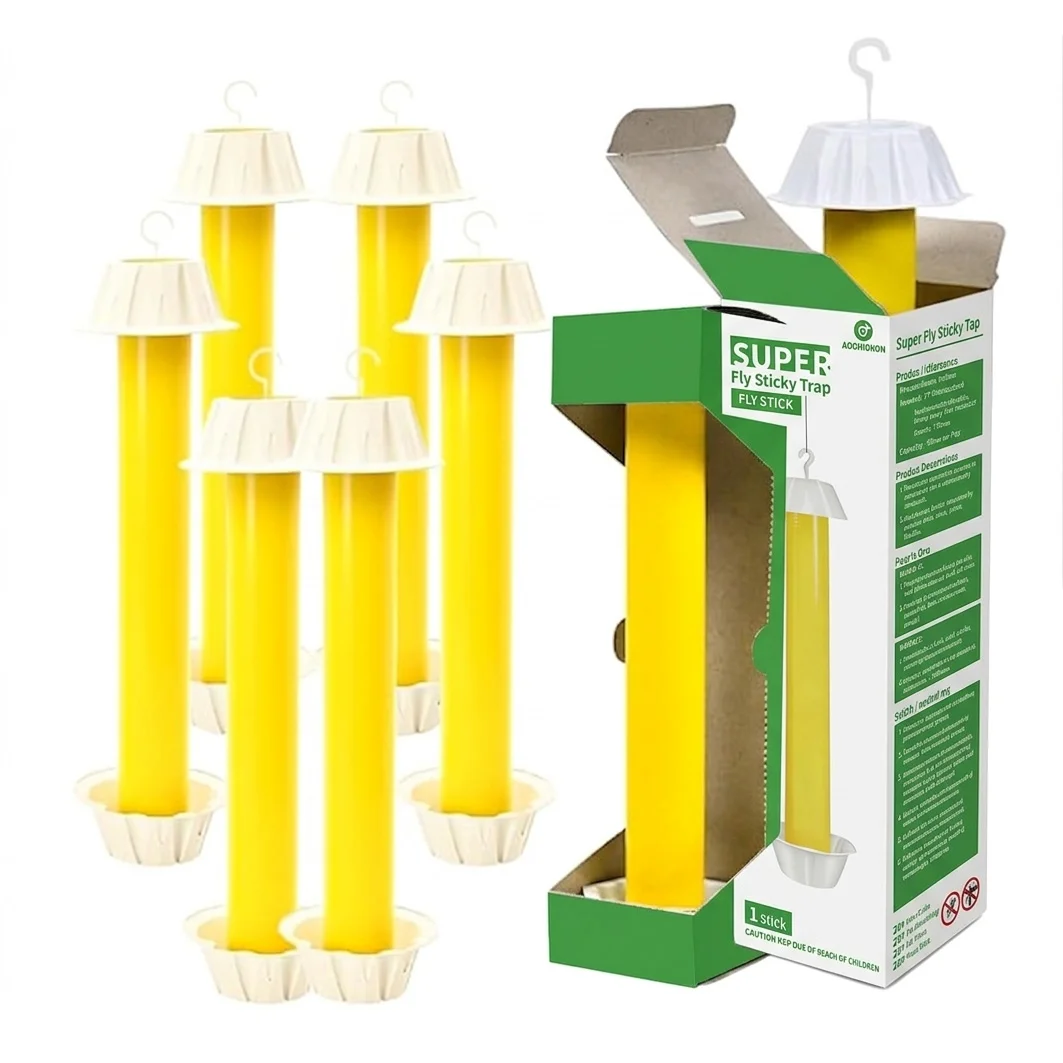
The term fungus gnat sticky trap might sound a bit technical, but it’s really quite straightforward. These traps are typically bright yellow or blue, coated with a sticky adhesive designed specifically to attract and capture fungus gnats. Why yellow or blue? Because gnats tend to be drawn to those colors, mistaking them for flowers or other food sources.
These traps don’t kill the pests instantly but help reduce their populations by intercepting adults before they lay eggs in soil, preventing the cycle from continuing. They have become a key tool in integrated pest management, especially for organic growers who want to avoid harsh insecticides.
On a broader scale, they exemplify how simple mechanical methods can meet the demands of modern agriculture and even humanitarian needs — think portable farming kits in disaster zones or controlled environments in remote locations.
What Makes a Good Fungus Gnat Sticky Trap? Key Aspects
1. Color and Attractiveness
The trap’s color isn’t just an aesthetic choice—it’s the frontline in luring gnats. Yellow is the universal favorite since it mimics the look of certain flowers, enticing the gnats to land and ultimately get stuck. Some newer models experiment with blue hues, which have shown promise for different gnat species or other flying pests.
2. Adhesive Strength and Safety
No one wants a sticky trap that dries out too quickly or loses its grip after a few days. High-quality adhesives keep their tackiness for extended periods, even under humid greenhouse conditions. At the same time, these adhesives are designed to be non-toxic and safe for humans and pets, an important consideration for home gardeners.
3. Durability and Weather Resistance
If you’re using the traps outdoors, weather matters. Some traps come laminated to prevent dust, moisture, or UV rays from degrading their performance. For indoor or greenhouse use, simple cardboard-backed traps can suffice, but durability ensures a longer deployment window without replacement.
4. Size and Coverage Area
Traps come in various sizes, from small stickers designed for potted plants to larger sheets for commercial greenhouses. The size dictates how many traps you'll need and how frequently they should be replaced. Many growers balance cost efficiency versus coverage, which is a practical art all its own.
5. Environmental Impact
Here’s a perk that often goes unnoticed: these traps have minimal environmental footprint compared to chemical pesticides. They reduce the need for insecticides that might harm beneficial insects, such as pollinators, and avoid residue buildup in food crops.
Mini takeaway: The effectiveness of fungus gnat sticky traps hinges on color, adhesive quality, durability, size, and eco-friendliness — pretty cool for something so simple.
Breaking it Down: Product Specification Table
| Feature |
Typical Specification |
Benefit |
| Color |
Bright Yellow or Blue |
Attracts adult fungus gnats efficiently |
| Adhesive Type |
Non-toxic, long-lasting tack |
Ensures lasting capture without residue harm |
| Size Variations |
2" x 6" (small) up to 6" x 12" (large) |
Customizable to plant setting & pest density |
| Material |
Cardboard or laminated plastic backing |
Durability for indoor/outdoor use |
| Shelf Life |
12-24 months unopened |
Ready for extended storage & use |
Global Applications & Real-World Examples
Nowhere is this trap more useful than in greenhouse nurseries, commercial farms, and plant production facilities spanning the US, Europe, and increasingly Asia and Africa. It’s interesting how a simple sticky card can help reduce pesticide usage, which is a hot topic given growing regulations from bodies like the International Organization for Standardization (ISO).
In places like California’s vast flower farms, growers rely on fungus gnat sticky traps to monitor infestation levels and make real-time decisions on treatment. Meanwhile, in less industrialized regions, NGOs working on food security and sustainable agriculture use these traps to support smallholder farmers, helping increase yields while minimizing chemical exposure.
Even urban farmers or indoor plant lovers benefit. You might spot one hanging inside your local community garden or hydroponic farm. It’s a neat example of a low-tech tool fitting into high-tech environments.
Mini takeaway: From commercial farms in California to small-scale urban gardens, fungus gnat sticky traps serve as an essential, scalable pest management solution worldwide.
Comparing Top Suppliers for Fungus Gnat Sticky Traps
| Vendor |
Product Range |
Price (per 100) |
Unique Feature |
| GreenLeaf Supplies |
Yellow & Blue Traps (multiple sizes) |
$25 |
Weather-resistant laminated traps |
| EcoPest Control |
Standard Yellow Sticky Strips |
$18 |
Non-toxic, plant-safe adhesive |
| AgriTraps International |
Custom Size Options & Bulk Packs |
$30 |
Customization & extended shelf life |
Long-Term Advantages of Fungus Gnat Sticky Traps
You know, when it comes to pest management, the options often come down to chemicals or biology — sticky traps fit snugly in the middle. They’re inexpensive, usually chemical-free, and simple enough to use that even a novice gardener can benefit. I like to think of them as a quiet helper, reducing pests without disturbance. In greenhouse settings, they help to maintain worker safety by reducing pesticide use and exposure.
They also foster sustainability. The traps contribute to integrated pest management practices that adhere to environmental guidelines established by agencies like the U.S. EPA. Growing demand for organic produce and “residue-free” crops means these traps aren’t just practical but market-friendly.
On a social level, healthier plants mean greater food security and less economic loss for farmers worldwide — so it’s not just about killing gnats but about fostering trust and dignity in agribusiness ecosystems. Oddly enough, such a humble item can have ripple effects far beyond its sticky surface.
New Trends in Fungus Gnat Sticky Trap Technology
Advancements in materials science have begun to shape the next generation of sticky traps. Some manufacturers are experimenting with biodegradable adhesives and backing materials to reduce waste. Others add pheromone lures or integrate these traps with digital monitoring systems that alert growers when pest populations exceed thresholds — that sounds like a neat combo of old-school tactics and high-tech precision.
Climate change also plays a role. Variable weather patterns mean pest dynamics are shifting, so adaptable solutions like multi-species sticky traps or extended shelf-life products grow in importance. In fact, some startups are even working on solar-powered “smart traps” that can monitor and report pest captures remotely — proof that even sticky traps aren’t immune to automation trends.
Common Challenges & How Experts Tackle Them
Sticky traps aren’t perfect, though. For instance, over time, dust and debris can dull their stickiness, and in high humidity zones, adhesives can degrade faster. Plus, they catch only adult gnats and don’t eliminate larvae in soil, so they’re just one piece of the puzzle.
Innovation helps here: trap rotation, combined pest management (like soil treatments and beneficial nematodes), and regular monitoring maximize effectiveness. Many growers advise placing traps near suspected breeding grounds and using them as early warning systems rather than sole control methods.
FAQ: Common Questions About Fungus Gnat Sticky Traps
Q1: How often should I replace my fungus gnat sticky traps?
A1: Typically, traps last between 4 to 6 weeks before becoming covered with pests or dust, reducing their effectiveness. Replace them sooner if heavily infested or damaged. Regular replacement ensures consistent monitoring and control.
Q2: Can sticky traps harm beneficial insects?
A2: Generally, sticky traps attract flying insects that are drawn to their color, including some beneficial species. However, when used wisely (e.g., targeting specific areas), they minimally impact beneficial insects. It’s best to combine traps with other IPM strategies for balanced pest control.
Q3: Are fungus gnat sticky traps safe for pets and humans indoors?
A3: Yes. The sticky traps do not contain pesticides or chemicals harmful to pets or humans. They rely purely on physical capture, making them a safe choice for indoor use.
Q4: How many traps do I need for a small greenhouse?
A4: It depends on size and infestation severity, but a rough rule is one trap per 10 square meters. Monitoring trap captures over time will help you adjust placement and quantity.
Mini takeaway: Sticky traps are a versatile, safe, and affordable tool most effective when integrated with other pest management practices.
Wrapping It Up: Why Fungus Gnat Sticky Traps Still Matter
In the grand scheme, fungus gnat sticky traps may seem like just sticky cards hung among plants. But their impact touches global food security, sustainable agriculture, and safer growing environments. They’re an elegant, practical solution that bridges traditional pest control and modern eco-friendly farming.
If you want to keep your plants happy and your pest problems at bay, these traps are a modest investment with outsized benefits. Curious to find out more or explore quality products? Visit our website: fungus gnat sticky trap.
References
- United Nations Food Systems Summit
- ISO Committee on Pest Management Standards
- U.S. EPA - Integrated Pest Management Principles