Understanding DIY Sticky Traps: The Small Solution with a Global Impact
If you're like me, you might’ve underestimated the humble sticky trap—those simple, almost invisible traps stuck to windows or in dark corners. But these DIY sticky traps pack a surprising punch when it comes to pest management, both for households and industries worldwide. Their value becomes pretty clear once you realize how pests affect health, food safety, and even the environment.
Globally, pests like flies, mosquitoes, and other insects cause billions in damage annually (and not just to crops or homes but in public health too). The demand for eco-friendly, cost-effective solutions has surged, and that's where diy sticky traps step in. Whether you aim to reduce chemical sprays or manage pests in tight commercial spaces, understanding DIY sticky traps opens a door to greener, safer pest control.
Mini takeaway: Sticky traps might seem basic, but they’re central in reducing pest-related risks globally, combining simplicity with powerful application.
Why DIY Sticky Traps Matter in Today’s Pest Control Landscape
Let’s look at the bigger picture. The World Health Organization estimates vector-borne diseases (those transmitted by insects) affect over 1 billion people annually. Mosquitoes, flies, and other pests not only transmit illness but also damage stored foods and lower production quality in varied industries.
The challenge? Traditional chemical pesticides come with environmental risks and increasing regulation. According to the Food and Agriculture Organization (FAO), there’s an ongoing push toward integrated pest management to reduce reliance on chemicals.
So, DIY sticky traps arrive on the scene as a low-cost, scalable, and environmentally friendly option. Many industries, from agriculture to food processing, depend on them as part of multi-layered pest control systems.
What Exactly Are DIY Sticky Traps?
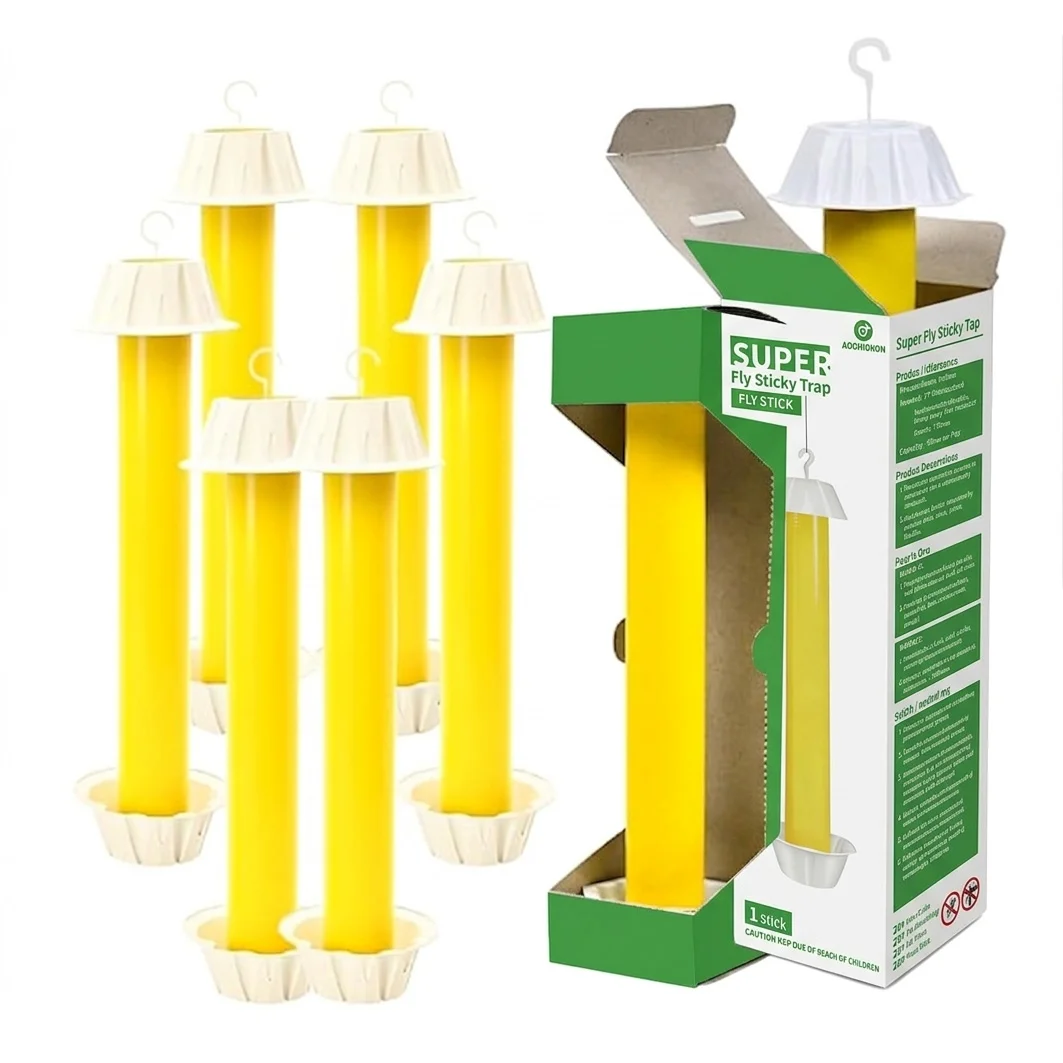
In simple terms, diy sticky traps are adhesive-coated boards or sheets designed to lure and capture flying or crawling pests. They don’t kill pests with poison but trap them mechanically, preventing reproduction and helping monitor infestation levels.
DIY models, as opposed to commercial kits, allow homeowners, farmers, and small businesses to create or customize their solutions—often using inexpensive materials like cardboard, glue, and attractants. This hands-on approach makes pest control accessible even without expert intervention.
Beyond household use, these traps align keenly with modern goals of sustainability and non-toxic methods, favored increasingly by urban growers and ethical food producers.
Mini takeaway: DIY sticky traps are about clever simplicity—using sticky surfaces and attractants to catch pests without chemicals, fitting well into sustainable pest control.
Key Factors to Consider When Making or Choosing DIY Sticky Traps
1. Adhesive Quality
The sticky part is crucial. It must be tacky enough to catch insects but stable enough to last weeks without drying out or losing grip. Many do-it-yourselfers experiment with natural resins or commercial glues, but choosing a non-toxic, durable adhesive is critical.
2. Attractant Type
A plain sticky sheet might catch some random bugs, but smart traps include attractants—like pheromones, sweet baits, or UV reflectors—that specifically lure target pests. Matching attractants to the pest species maximizes effectiveness.
3. Size and Placement
DIY traps vary from small tubes to large sheets. Practicality matters; traps must be easy to place in hotspots like near doors, windows, or food storage while avoiding exposure to dust or rain if used outdoors. The personal touch—positioning where you notice the bugs most—makes a difference.
4. Environmental Resistance
Whether indoors or outdoors, traps often face heat, humidity, or dirt. Durability of the materials used ensures the trap stays effective over time. Some experiment with laminated surfaces or waterproofing sprays to extend lifespan.
5. Cost Efficiency
One big selling point of DIY sticky traps is cost savings. Materials are often inexpensive, but buyers should balance upfront cost with longevity and effectiveness to keep true value.
| Specification |
Details |
| Adhesive Type |
Non-toxic, all-weather tacky glue |
| Trap Dimensions |
20cm x 15cm (standard), customizable |
| Attractant |
Pheromone or sugar bait (optional) |
| Intended Use |
Indoor/outdoor pest control |
| Lifespan |
Several weeks under typical conditions |
Mini takeaway: The secret sauce is in getting adhesive, attractants, and placement just right for your specific pest problem.
Real-World Applications of DIY Sticky Traps
Oddly enough, these little traps have found their way into diverse global settings:
- Agricultural fields: In parts of Asia and Africa, farmers make sticky traps to monitor and reduce crop pests without heavy pesticide use.
- Food and beverage facilities: Facilities in Europe and North America deploy sticky traps near entrances and loading bays to protect hygiene standards.
- Urban homes: DIY enthusiasts in apartment complexes use them to combat flies and gnats without harsh sprays.
- Disaster relief zones: After floods or hurricanes, NGOs distribute DIY sticky trap materials to reduce vector presence and disease risk among displaced populations.
Nearly everywhere pests breed and disrupt, sticky traps offer a simple, flexible defense—especially where chemical use is restricted or undesirable.
Vendor Comparison: Popular DIY Sticky Trap Kits
| Vendor |
Price Range |
Adhesive Quality |
Attractants Included |
Customization Options |
| GreenTrap DIY |
$15–$30 |
High |
Pheromone lures |
Color and size options |
| EcoStick Pest Solutions |
$10–$25 |
Medium |
Sugar bait sachets |
Standard templates only |
| StickyWorks Lab |
$20–$40 |
Very High |
Custom attractants on request |
Full kit customization |
Why DIY Sticky Traps Are Worth Considering Long-Term
Long story short, diy sticky traps offer several practical advantages:
- Cost savings: Making your own traps usually costs less than commercial alternatives or chemical pesticides.
- Environmental safety: No toxic residues, making them safer for kids, pets, and local ecosystems.
- Ease of use: Simple to assemble and deploy, especially with diy sticky traps kits and guides available.
- Monitoring capability: They help users track pest populations, allowing smarter, targeted control instead of blanket treatments.
- Scalable: Whether in a small kitchen garden or a sprawling warehouse, sticky traps can be adapted accordingly.
On a more emotional note, there’s comfort in a hands-on approach—you feel in control and proactive. And let's be honest, who doesn’t appreciate a pest-free space without the harsh chemical smell?
The Road Ahead: Innovations & Future Trends for Sticky Traps
Surprisingly, this old-school method is evolving. Researchers are tinkering with:
- Biodegradable adhesives: To reduce plastic waste and improve eco-friendliness.
- Smart traps: Embedded sensors that monitor catch numbers and send data to apps for real-time pest tracking.
- Natural attractants: Sourced from plants or microbes, reducing synthetic chemicals even in bait.
- Integration with green energy: Solar-powered UV lights enhancing trap effectiveness at night.
This intersection of DIY mentality with tech-forward thinking hints at a bright, effective future for sticky traps.
Facing Challenges: Common Concerns and Practical Solutions
Of course, DIY sticky traps aren't perfect. Some common pitfalls include:
- Adhesive degradation: Traps losing stickiness in hot or humid climates.
- Non-target species capture: Sometimes beneficial insects get trapped, which is frustrating for gardeners.
- Limited lifespan: Traps often need frequent replacement, which can be a hassle.
Experts suggest regular trap rotation, choosing weather-resistant materials, and focusing attractants to reduce bycatch. Also, combining sticky traps with other integrated pest management strategies typically yields the best results.
FAQ: Your Top Questions on DIY Sticky Traps Answered
- How do I make an effective DIY sticky trap at home?
- Start with a sturdy cardboard piece, coat it with a non-toxic glue (available at craft stores), and add a sweet bait like sugar water or fruit peel nearby. Place traps where you see most insect activity—windowsills or near plants work well.
- Can DIY sticky traps harm beneficial insects?
- Yes, sometimes they catch non-target insects like ladybugs or bees. To minimize this, place traps carefully, avoid flowering plants, and tailor attractants to target pests.
- How long does a sticky trap remain effective outside?
- Typically 2-4 weeks, depending on weather and dust exposure. High heat or rain can reduce adhesive lifespan, so consider sheltering traps or replacing them more frequently.
- Are sticky traps safe for children and pets?
- Most DIY sticky traps use non-toxic glues and natural attractants, making them generally safe. Still, place traps out of reach of curious children and pets to avoid messes or accidental contact.
Final Thoughts: The Sticky Trap’s Quiet Revolution
In the end, diy sticky traps remind us that sometimes simple fixes solve complex problems. They embody a clever, sustainable approach with global implications—from farmers in remote fields to families in city apartments.
If you’re ready to try making your own or upgrading your pest control setup, don’t hesitate to explore the wealth of resources and kits out there. For inspiration and reliable supplies, pay a visit to https://www.hbarcherfish.com. There’s something satisfying about crafting your own little defender in this ongoing battle against pests.
Mini takeaway: Sticky traps are humble heroes quietly protecting health, food safety, and comfort worldwide—proof that smart, DIY solutions hold lasting power.
References
- WHO Vector-borne Diseases Fact Sheet
- FAO Integrated Pest Management
- Sticky trap (Wikipedia)