Understanding the Yellow Fly Trap: A Simple Solution with Global Impact
It’s curious how something as small as a yellow fly trap can make a noticeable difference worldwide. Not just a quirky garden gadget, this device plays a surprisingly significant role in pest control, controlling disease vectors, and even supporting agricultural productivity. Around the globe, especially in tropical and subtropical zones, yellow fly traps help confront the age-old nuisance of flies — but more importantly, they curb disease outbreaks by targeting specific biting flies.
Yellow fly traps matter because they blend simplicity and effectiveness, reducing reliance on chemicals and promoting safer environments. By understanding their design, use, and impact, industries and communities tap into an eco-friendly tool that intersects health, hygiene, and sustainability.
Why Yellow Fly Traps Are Gaining Global Attention
It might surprise some, but the global health and agriculture sectors pay close attention to yellow fly traps. According to the World Health Organization, vector-borne diseases account for over 17% of all infectious diseases worldwide, especially in warm climates where biting flies thrive. Flies like Stomoxys calcitrans (stable flies) or Glossina spp. (tsetse flies) transmit diseases that cost billions in agriculture losses and health care annually.
Traditional chemical pesticides often create resistance issues and environmental concerns—so having the reliable, non-toxic alternative of yellow fly traps becomes vital. For organizations involved in disaster relief, humanitarian work, or sustainable farming, these traps offer a strategic, low-cost method to reduce fly population boom cycles and disease spread.
What Exactly is a Yellow Fly Trap?
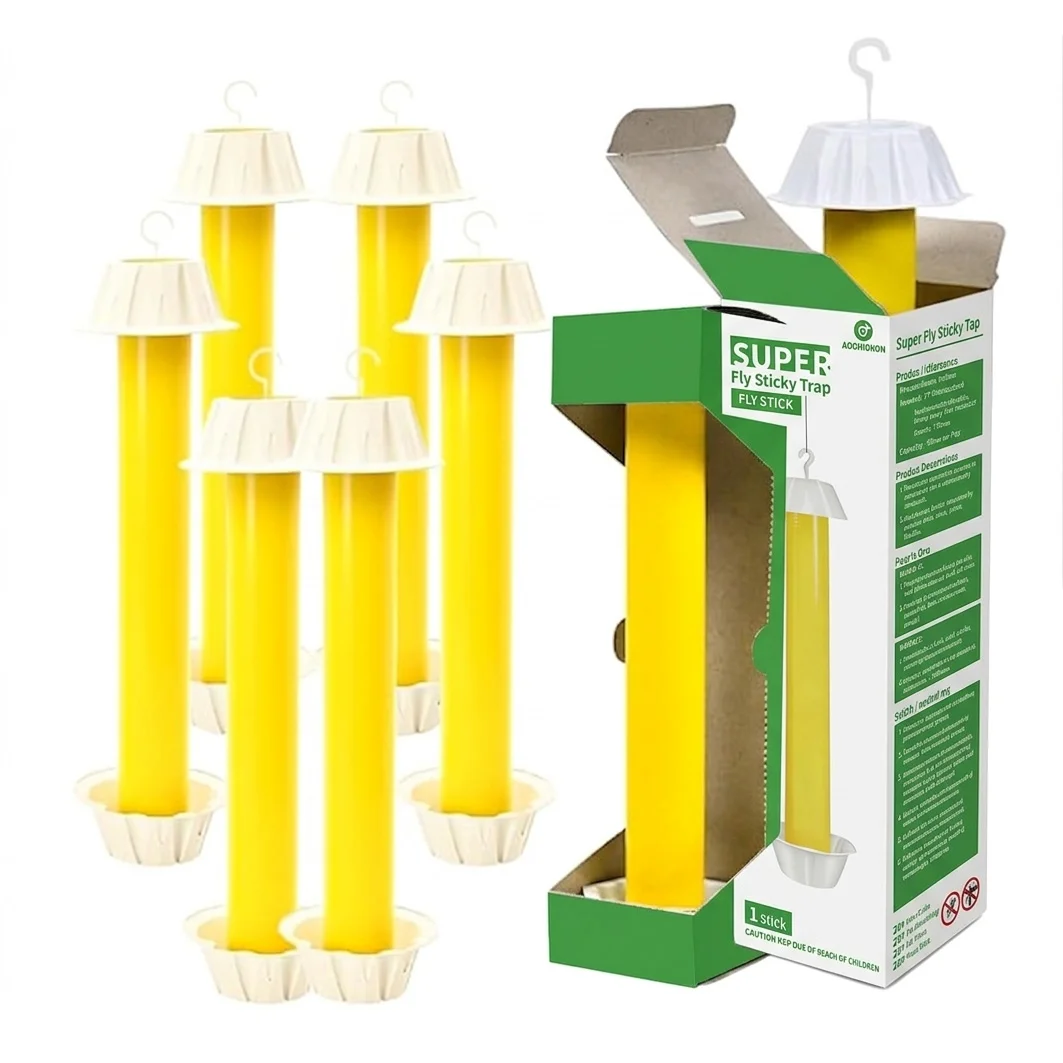
So, what is a yellow fly trap? In essence, it’s a specialized insect trap that uses the color yellow’s natural attraction effect on certain flies. These traps combine vivid yellow panels or surfaces coated with sticky substances or integrated with attractants to lure flies. The flies approach, get stuck or trapped, and thus, get removed from the environment.
Far from mere fly swatters, yellow fly traps are thoughtfully engineered tools grounded in entomology and environmental science. For industries from agriculture to public health, they are invaluable components of integrated pest management systems.
Key Components That Make Yellow Fly Traps Effective
1. Color and Visual Attraction
Yellow is apparently irresistible to many fly species. This color mimics flowers and decaying organic matter where flies typically feed or breed. The reflection wavelength of yellow is crucial in maximizing lure, and suppliers often adjust shade to fine-tune the effectiveness based on species.
2. Sticky Surfaces or Physical Trapping Mechanisms
Once attracted, the fly encounters either a tacky glue layer or a cage-like chamber that prevents escape. These mechanical features reduce the chance of rebound and ensure maximum catch rates.
3. Durable, Weather-Resistant Materials
Since traps often reside outdoors, especially in harsh conditions, materials need to last without degradation. UV-resistant plastics or weatherproof coatings extend lifespan, reducing replacement frequency and waste.
4. Ease of Deployment and Maintenance
Businesses and NGOs appreciate traps that are lightweight and easy to set up and clean. Modular panels or refillable sticky boards mean less downtime and operational hassle.
5. Low Environmental Impact
Yellow fly traps avoid toxic chemicals, making them safe around humans, livestock, and beneficial insects. This factor is a big selling point for sustainable agriculture and green certification programs.
Mini takeaway:
The appeal of yellow fly traps lies in combining biology with smart design — color science draws the flies in; stickiness or enclosure traps them; and durable materials keep them working season after season.
Where and How Yellow Fly Traps Change the Game
Their reach stretches from smallholder farms in Kenya to large cattle ranches in Texas, and into disaster-hit zones where disease vectors spike suddenly.
- Agricultural sectors: In regions with high biting fly populations, traps reduce nuisance and disease spread among livestock, boosting meat and milk yield.
- Humanitarian aid: In refugee camps or post-disaster relief zones, traps provide chemical-free vector control that complements medical interventions.
- Urban settings: Municipal pest control programs in Southern Europe and parts of Asia use them to manage fly-related nuisances near waste sites or markets.
- Research and education: Entomology labs use yellow fly traps to monitor population trends or test insect behavior.
Interestingly, some NGOs combine yellow fly traps with digital monitoring tools, essentially enabling smarter pest control over time — like an early warning system that can adapt to environmental changes.
Why Investing in Yellow Fly Traps Makes Sense Long-Term
Here’s the deal: while not a silver bullet, yellow fly traps deliver tangible benefits, especially when integrated thoughtfully.
- Cost Efficiency: They’re cheaper to acquire and maintain compared to repeated pesticide sprays or other mechanical controls.
- Environmental Sustainability: Reduced chemical use means less soil and water contamination.
- Health & Safety: No toxic residues protect workers, farmers, and nearby communities.
- Reliability: They work passively, day and night, without energy consumption.
- Social Impact: Communities feel safer, suffering less from fly-borne annoyances and diseases.
Oddly enough, many farm managers report better worker morale simply because flies become less of a daily hassle. And that’s nothing trivial — comfort can improve productivity.
Yellow Fly Trap Product Specifications
| Specification |
Model AYT-100 |
Model YFT-Pro |
Model Eco-Yellow |
| Dimensions (cm) |
40 x 30 x 5 |
50 x 35 x 6 |
45 x 32 x 5 |
| Material |
UV-resistant plastic |
Recycled polymer |
Biodegradable composite |
| Attractant Type |
Yellow sticky board |
Yellow foil & glue |
Yellow adhesive spray |
| Weatherproof |
Yes |
Yes |
Limited (biodegrades in 6 months) |
| Typical Lifespan |
6 months |
8 months |
3 months |
Comparing Leading Yellow Fly Trap Vendors
| Vendor |
Pricing |
Customization |
Global Shipping |
Technical Support |
| FlyAway Inc. |
$$ |
Standard sizes; color variations on request |
Yes |
Phone & email |
| TrapSmart Solutions |
$$$ |
Fully customizable trap size and materials |
Limited |
Dedicated account manager |
| EcoTrap Global |
$ |
Limited; focus on biodegradable models |
Worldwide |
Online support & FAQ |
Looking Ahead: Innovations in Yellow Fly Trap Technology
Some ongoing developments in the yellow fly trap arena include the integration of biodegradable materials to reduce environmental footprint and embedded sensors to digitally track fly populations in real time. Also, researchers explore combining UV light with yellow spectrum colors to double the attraction effect.
We’re starting to see “smart traps” that send data to farm managers or public health authorities — a neat blend of analog and digital that’s oddly futuristic but practical.
Common Challenges and How They're Tackled
Yellow fly traps aren’t flawless. Here are some hurdles and solutions:
- Sticky surface saturation: High fly density can saturate traps quickly. Rotating or increasing trap numbers and designing easy-to-replace boards help.
- Non-target species capture: Sometimes beneficial insects get caught. Adjusting the chemical attractants or trap placement reduces collateral capture.
- Durability in extreme climates: Extreme sunlight or rain shortens lifespan. Developing UV resistant coatings and waterproof designs mitigates this.
Frankly, no pest control is perfect on its own, but combined with other methods, yellow fly traps form an essential piece of the puzzle.
Frequently Asked Questions About Yellow Fly Traps
- How long do yellow fly traps typically last outdoors?
- Most yellow fly traps last between 3 to 8 months depending on the material and environmental conditions. Models with UV-resistant components offer longer service life, but frequent monitoring is advised to maintain effectiveness.
- Are yellow fly traps safe to use around children and pets?
- Yes, these traps are generally non-toxic and safe since they don’t use chemicals. However, care is recommended in placement to avoid accidental contact with sticky surfaces.
- Can these traps be reused, or do they need frequent replacement?
- Many traps feature replaceable sticky boards or adhesive layers, allowing reuse of the frame while changing capture surfaces. This is both economical and eco-friendly.
- Do yellow fly traps attract all types of flies?
- They are especially effective against biting flies like stable and tsetse flies but less so for blowflies or houseflies. For broad management, combining with other control methods is advisable.
- How do I select the right trap for my region?
- Consider the target fly species, climate conditions, and operational factors like trap density and maintenance ease. Vendors often provide guidelines, and consultancy is available for large-scale needs.
Final Thoughts: Why Yellow Fly Traps Should Be in Your Toolkit
Yellow fly traps are far more than a cheap nuisance item; they symbolize a thoughtful, ecological approach to a worldwide pest problem. Across farms, relief camps, and urban centers, they cut down disease risk while respecting the environment. For those curious to learn more or ready to explore solutions, visit our site: yellow fly trap.
Simple, efficient, and surprisingly impactful — isn’t that the kind of tool we all want more of?
References:
- WHO Vector-borne Diseases Fact Sheet
- Stable Fly - Wikipedia
- ISO Standards on Pest Management