Understanding Large Glue Traps: A Global Perspective
Large glue traps might not sound glamorous, but they play a surprisingly critical role in pest management worldwide. Whether it's controlling invasive rodents in urban centers or limiting insect populations in agricultural zones, these traps have quietly become essential tools. Grasping their importance helps industries from warehouse management to public health feel a bit more prepared, especially in a world where pest-related damage accounts for billions in losses annually.
But beyond those dry statistics, large glue traps also highlight a blend of simplicity with efficiency—no fancy tech needed, just good design and sticky adhesive doing the heavy lifting. And yep, understanding them is worthwhile whether you're a facility manager, a farmer, or an urban planner wrestling with sanitation challenges.
The Global Role of Large Glue Traps
Globally, the urban population is increasing rapidly—around 56% of people lived in cities as of recent data, projected to hit 68% by 2050 according to the United Nations. This surge creates ideal conditions for rodents and insects, which can thrive in crowded, often untidy spaces. Pest control, therefore, isn’t just a nuisance; it’s a public health imperative impacting millions.
Large glue traps offer a low-tech but efficient solution for many regions lacking access to high-end pest control technologies. In fact, WHO reports that rodent-borne diseases cause millions of illnesses worldwide yearly. Coupled with crop damage data from FAO estimating up to 40% yield losses due to pests in some countries, it's clear why reliable rodent and insect traps are vital components of global efforts to safeguard food security and urban hygiene.
Sadly, traditional chemical pesticides pose environmental and health risks, so many are shifting to non-toxic options like adhesive traps. The challenge? Efficiently scaling such traps to cover larger spaces while ensuring humane and effective catches—this is where large glue traps stand out.
What Exactly Are Large Glue Traps?
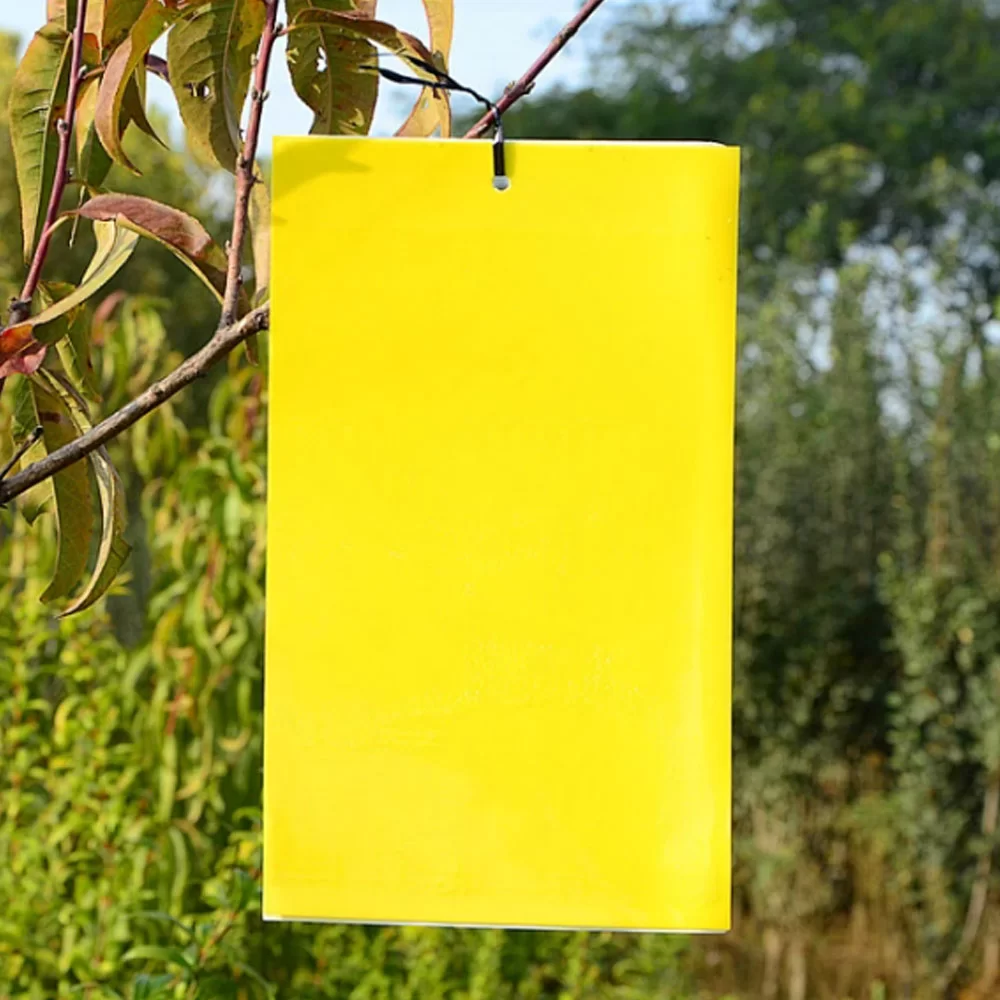
Put simply, large glue traps consist of sizable flat surfaces coated with a super-adhesive that immobilizes pests upon contact. Unlike smaller versions intended for household use, these monsters are designed to capture large rodents, clusters of insects, or both simultaneously. They work by exploiting the pests’ movement patterns and natural curiosity — quite literally luring them in—and then ensuring they can’t sneak away.
In modern industry, these traps serve warehouses, food distribution centers, and agricultural storage units. From humanitarian relief camps to urban sanitation programs, they help control unwanted critters without introducing poisons or complicated equipment. In that sense, they're an elegantly simple answer to complicated pest problems.
Key Components and Considerations for Effective Large Glue Traps
Durability & Material Quality
It’s no secret that a glue trap’s stickiness can degrade if exposed to dust, moisture, or extreme temperatures. A quality large glue trap uses weather-resistant materials—durable cardboard, plastic backing, or waterproof coatings—to keep adhesion intact for weeks or months. Many engineers emphasize material innovation here, as durability directly impacts reliability in the field.
Adhesive Strength and Safety
The adhesive has to be sticky enough to trap rodents and even crawling insects but safe enough to prevent unwanted hazards to non-target species, including pets or humans. Non-toxic, solvent-free adhesives that maintain tack over time are the gold standard, though balancing stickiness and removability remains a tricky science.
Size and Coverage
Large glue traps generally range between 40cm x 30cm up to 80cm x 60cm or more, enabling coverage of a wider search area while reducing the number of traps needed — which also saves on setup time and costs.
Ease of Deployment & Disposal
Because they’re often used in large quantities, traps must be lightweight and easy to deploy or remove. Foldable designs and recyclable components are emerging trends. Disposal protocols need to consider humane handling, as well as biohazard precautions in some contexts.
Customization & Target Specificity
Some manufacturers add attractants (non-toxic scents or pheromones) tailored to target particular pest species, making large glue traps smarter, not just stickier. This helps reduce trapping of non-target insects and improves efficiency.
Real-World Applications & Success Stories
- Urban Sanitation Programs: Cities like São Paulo and Mumbai implement large glue traps around waste sites to reduce rodent populations, complementing waste management efforts.
- Agricultural Warehousing: In Europe, large glue traps safeguard stored grains and legumes, limiting insect damage without pesticide residues.
- Disaster Relief Camps: NGOs in Southeast Asia deploy these traps quickly after floods to control disease vectors, protecting displaced communities.
- Remote Industrial Sites: Mining operations in Australia rely on glue traps to monitor and reduce pest activity where regular pest control services are scarce.
It's interesting to note how one size doesn't fit all; regional adaptations in trap design influence uptake and effectiveness.
The Advantages of Large Glue Traps: More Than Meets the Eye
First off, cost-effectiveness is a strong selling point — no power source or complex installation required, and these traps can be mass-produced cheaply. For budget-sensitive organizations, it’s basically a no-brainer. There’s also the sustainability angle: fewer chemicals mean less environmental impact, and many traps utilize recyclable materials, which is increasingly important in a greener world.
From a social perspective, using non-poisonous traps reduces risks of secondary poisoning—protecting pets and scavenging wildlife. For workers managing large storage facilities, it also creates safer workplaces with less chemical exposure. And, as one pest manager put it to me recently, “It just feels better using something straightforward and transparent rather than mysterious poison powders.”
Lastly, reliability and ease of monitoring populations through trap counts help refine pest control strategies in real time, making these traps a trusted component rather than an afterthought.
What’s Next? Innovations and Emerging Trends
Innovations in adhesive chemistry promise longer-lasting tack with less mess. We’re also beginning to see “smart” glue traps paired with sensors that alert managers when a catch occurs to optimize labor usage—kind of like a digital watchdog.
Biodegradable trap boards and natural repellents embedded with traps are making sustainability a stronger focus. Furthermore, regulatory frameworks encouraging pesticide reduction are pushing industries toward adhesive traps as favored alternatives.
It’s also curious how 3D printing technologies might soon allow bespoke designs tailored to specific pests or environments, a customization that feels oddly futuristic considering the glue trap’s humble origins.
Addressing Challenges with Large Glue Traps
No solution is perfect, and glue traps come with downsides — for instance, some find ethical concerns regarding pest welfare, while others worry about capture of non-target species. Proper placement and periodic monitoring are essential to mitigate these issues.
Some regions experience humidity or dust buildup quickly reducing trap effectiveness — innovation in surface coatings helps but hasn’t entirely solved this. Also, adhesives sometimes lose tack when stored improperly, causing waste and expense.
The answer often lies in combining traps with other integrated pest management (IPM) techniques; glue traps are part of a toolbox, not the sole fix. Experts suggest regularly updating trap placement, customizing adhesive formulas, and blending mechanical, biological, and chemical controls as needed.
FAQ: Your Large Glue Traps Questions Answered
- How long do large glue traps remain effective after deployment?
- Typically, large glue traps maintain their sticky effect for 4 to 8 weeks under normal indoor conditions. However, exposure to dust, moisture, or direct sunlight can reduce efficacy, so periodic checks are recommended to ensure optimal performance.
- Are large glue traps safe to use around children and pets?
- When placed out of reach, large glue traps are generally safe since they use non-toxic adhesives. However, surface contact with sticky material can be a nuisance and may cause distress, so careful placement and monitoring are essential to avoid accidental contact.
- Can large glue traps replace chemical pest control altogether?
- While effective, large glue traps are best used as part of an integrated pest management (IPM) system. They complement chemical or biological controls, minimizing chemical use but not necessarily replacing it entirely.
- What pests can large glue traps capture most effectively?
- These traps work well for rodents like rats and mice, as well as crawling insects such as cockroaches, spiders, and certain beetles. Their size makes them especially suitable for larger pests or multiple smaller ones.
- How should I dispose of used large glue traps?
- Used traps with captured pests should be handled carefully, ideally sealed in bags and disposed of according to local waste guidelines. For biohazard concerns, professional waste management services may be necessary.
Product Specification Table: Typical Large Glue Trap Model
| Specification |
Detail |
| Size |
60cm x 40cm |
| Material |
Water-resistant cardboard with plastic backing |
| Adhesive Type |
Non-toxic synthetic resin |
| Effective Duration |
Up to 8 weeks indoors |
| Weight |
Approx. 150 grams |
| Disposal |
Recyclable components, sealed waste recommended |
Vendor Comparison: Selected Large Glue Trap Suppliers
| Vendor |
Range of Sizes |
Adhesive Innovation |
Environmental Certification |
Price per Unit (bulk) |
| Sticky Solutions Ltd. |
40x30cm - 80x60cm |
Non-toxic synthetic resin |
ISO 14001 Certified |
$1.50 |
| EcoTrap Co. |
50x35cm - 70x50cm |
Biodegradable adhesive |
FSC Certified Materials |
$1.80 |
| PestGuard International |
60x40cm standard |
Enhanced tack technology |
None |
$1.30 |
Wrapping Up: Why Large Glue Traps Matter
At their core, large glue traps are a straightforward yet powerful solution addressing the very real challenge of pest control worldwide. Their blend of cost-efficiency, environmental friendliness, and adaptability makes them valuable—whether tucked inside sprawling warehouses, lining emergency shelters, or protecting food stores. And honestly, as global urbanization and the need for safer pest control options grow, these traps are bound to stay relevant, evolving in subtle but meaningful ways.
If you're ready to explore quality tools for pest management that combine tradition with innovation, be sure to check out our selection of large glue traps. It’s one of those simple tech fixes that just works, and that consistency feels good in a world of chaos.
Mini Takeaway: Large glue traps are a deceptively simple yet crucial component in the global fight against pests. They balance affordability, safety, and sustainability and are set for a future shaped by smart technology and eco-consciousness.
References
- United Nations World Urbanization Prospects (2018)
- World Health Organization - Rodent-Borne Diseases
- FAO - Crop Pest Impact Report