Yellow Sticky Traps: The Unsung Heroes of Pest Management Worldwide
It’s funny how something as simple as a bright yellow sheet coated with adhesive can make such a global impact. Yellow sticky traps, often overlooked, are quietly helping farmers, horticulturists, and pest control professionals keep pesky insects at bay. In an era where sustainability and reducing pesticide use is a major concern, understanding the benefits and practical use of yellow sticky traps is more relevant than ever.
Why Should We Care About Yellow Sticky Traps?
According to the Food and Agriculture Organization of the United Nations, pests are responsible for destroying up to 40% of global crop production annually. That’s a staggering loss with immense implications for food security and economic stability, especially in vulnerable regions. Using yellow sticky traps offers a low-cost, eco-friendly method to monitor and control insect populations, reducing reliance on harmful chemical pesticides.
Mini takeaway: Yellow sticky traps are practical tools helping bridge the gap between effective pest control and environmental responsibility.
What Are Yellow Sticky Traps Exactly?
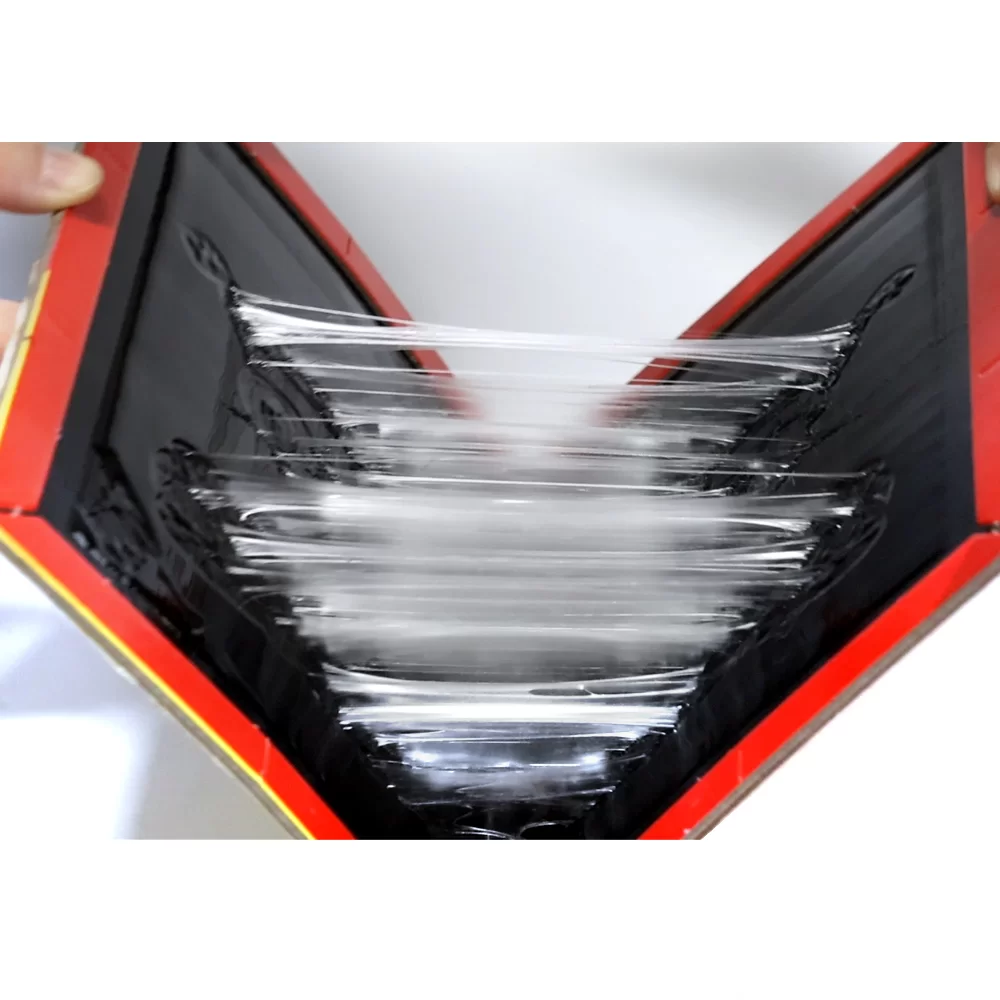
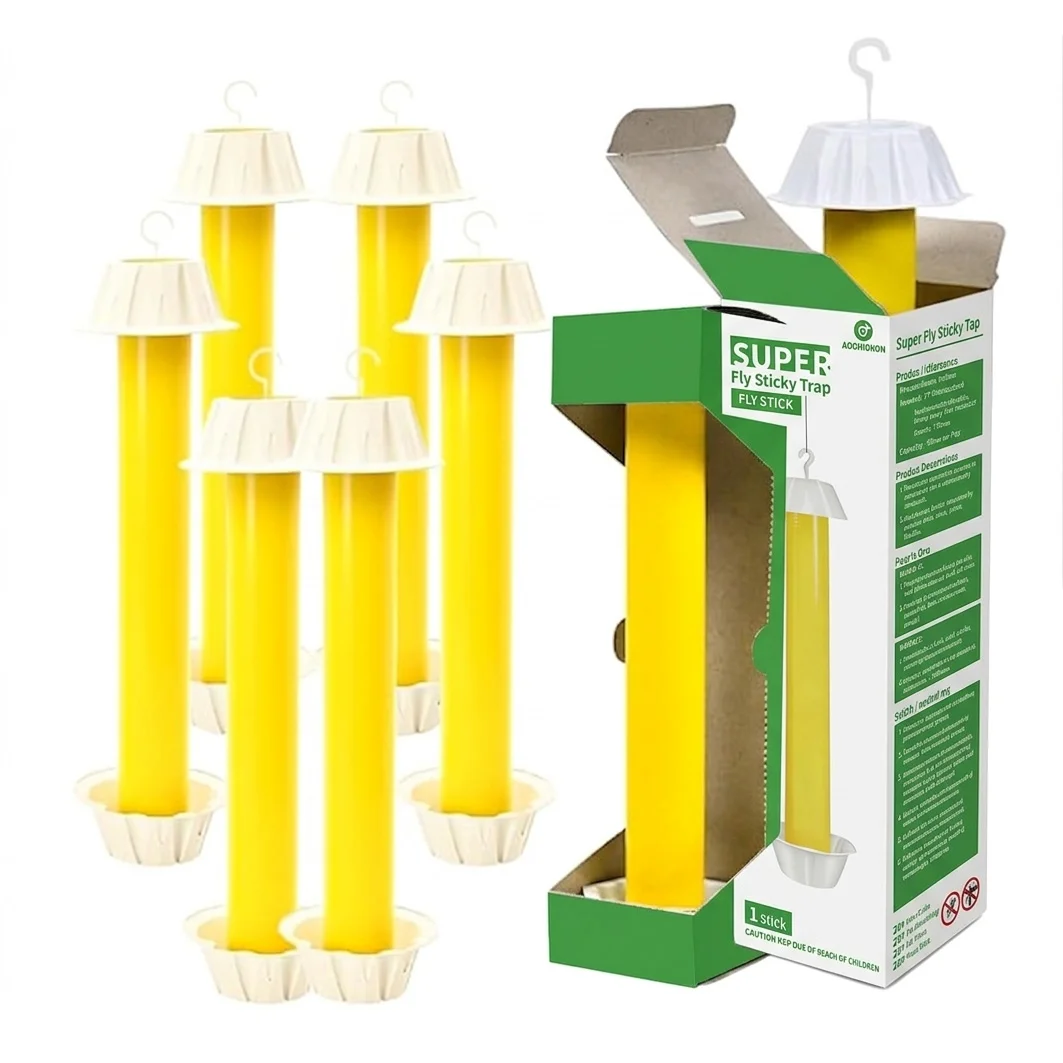
At their core, yellow sticky traps are—well—bright yellow boards coated with a super-sticky glue that attracts and traps flying insects. Why yellow? Because many pest species are naturally drawn to yellow hues, mistaking them for flowers or plant leaves. These traps don't just catch bugs but help track pest population trends, enabling timely intervention.
Modern agriculture and greenhouse operations heavily rely on these traps to maintain healthy crops without overusing pesticides. Humanitarian agencies also deploy them in disaster-prone or refugee settlement areas to combat disease-spreading insects.
Mini takeaway: Simple yet smart, yellow sticky traps blend natural insect behavior with practical technology.
Key Factors Defining the Effectiveness of Yellow Sticky Traps
1. Durability
These traps need to withstand outdoor elements—sun, wind, humidity—for weeks at a time without losing stickiness or color. Materials like UV-treated polypropylene for the backing sheet help with that. Trust me, engineers spend a surprising amount of effort testing these.
2. Adhesive Strength
Strong enough to hold tiny gnats or stubborn whiteflies, but not so overwhelming that dust immediately clogs the surface. Manufacturers now use non-drying adhesives, sometimes infused with insect pheromones, to boost catch rates.
3. Size and Shape
From slender strips for greenhouse shelves to larger panels for orchards, trap sizes vary widely. Practicality is key—too big and they become cumbersome, too small and they're inefficient.
4. Cost Efficiency
Since these are often disposable, balancing trap longevity with low production cost is critical. Many growers prefer bulk packs to save money.
5. Environmental Impact
With rising awareness, some vendors now offer biodegradable options or glue formulas that aren’t toxic to beneficial insects.
6. Ease of Deployment
A good trap is easy to put up and remove without messy cleanup or special tools.
Mini takeaway: It’s not just sticky glue—trap design is a fine balance of durability, cost, and ecological consideration.
How Yellow Sticky Traps Are Used Around the World
It’s not just about farms and greenhouses in Europe or North America. For example, in sub-Saharan Africa, smallholder farmers use yellow sticky traps to guard maize fields against invasive pests like the fall armyworm. Meanwhile, greenhouses in the Netherlands rely on them to monitor whitefly infestations, integrating data into sophisticated pest management software.
In disaster relief camps, organizations deploy yellow sticky traps to reduce mosquito populations, helping curb disease outbreaks. Even commercial shipping vessels use them during cargo inspections to detect invasive pest species before they spread.
Mini takeaway: Whether remote farms or bustling ports, yellow sticky traps have quietly become indispensable worldwide.
The Real Benefits of Yellow Sticky Traps
- Cost-effective: In most cases, these traps cost only a fraction of chemical pesticides.
- Environmentally friendly: No chemicals are released into soil or water.
- Reduced pesticide resistance: Targeting pests physically limits chances of resistance development.
- Data-driven decisions: By monitoring trap captures, growers can apply pesticides more precisely.
- Supports biodiversity: Beneficial insects remain unaffected if traps are properly placed.
Emotionally, it feels good knowing you’re managing pests responsibly, protecting not just crops but the planet’s future.
Looking Ahead: Innovations in Yellow Sticky Trap Technology
So what’s next? Some fascinating developments are underway:
- Digital counting: AI-powered image recognition now helps analyze how many and what type of insects are trapped.
- Sustainable materials: Efforts to produce traps from biodegradable films are gaining momentum.
- Enhanced attractants: Bio-based lures combined with yellow surfaces boost effectiveness.
Automation in trap monitoring could soon integrate with smart farm management systems, making the process almost effortless.
Common Challenges and Smart Workarounds
Truth be told, yellow sticky traps aren’t perfect. Problems like traps becoming quickly covered with dust or trapping beneficial insects occasionally arise. Also, limited lifespan under harsh conditions can reduce efficiency.
Seasoned users suggest placing traps strategically to avoid non-target insect catch and rotating trap locations regularly. Using traps in combination with other integrated pest management (IPM) practices brings the best results.
Mini takeaway: Like any tool, success lies in smart usage rather than a one-size-fits-all solution.
Product Specification Table
| Feature |
Specification |
| Material |
UV-resistant polypropylene sheet |
| Adhesive Type |
Non-drying, tacky glue with pheromone infusion option |
| Color |
Bright yellow (Pantone 115C) |
| Size Options |
10x25 cm strips, 20x30 cm panels, customizable sizes |
| Shelf Life |
3-4 weeks outdoor use |
| Biodegradable Option |
Available (with plant-based glue) |
Vendor Comparison: What Different Suppliers Offer
| Supplier |
Adhesive Type |
Sizes Available |
Eco-friendly Options |
Price Range (per 100 pcs) |
| GreenTrap Co. |
Standard glue, non-toxic |
10x25cm, 20x30cm |
Yes (biodegradable sheet) |
$40 - $55 |
| PheroBait Ltd. |
Pheromone-enhanced glue |
Custom sizes |
Limited |
$55 - $70 |
| EcoStick Solutions |
Plant-based glue |
Standard sizes |
Yes (100% biodegradable) |
$60 - $75 |
FAQ: Your Questions About Yellow Sticky Traps Answered
What types of insects do yellow sticky traps typically catch?
They are most effective for flying pests attracted to yellow, like whiteflies, aphids, thrips, and leafminers. Some mosquito species are also trapped, especially when used in disease control programs.
How often should I replace yellow sticky traps?
Generally, traps last 3-4 weeks. Replace sooner if the sticky surface becomes covered in dust or insects, as this reduces their effectiveness.
Can yellow sticky traps harm beneficial insects?
If placed properly—away from flowers or beneficial insect habitats—the risk is minimal. Many growers combine traps with other IPM strategies to protect beneficial species.
Are there eco-friendly yellow sticky trap options?
Yes, increasingly so. Some manufacturers now supply traps made with biodegradable materials and plant-based adhesives, lowering environmental impact substantially.
How do I properly deploy yellow sticky traps in a greenhouse?
Distribute traps evenly at plant canopy level and near entry points. Avoid placing traps directly on flowers to protect pollinators. Monitor regularly for pest levels to inform treatment decisions.
Wrapping It Up
Yellow sticky traps offer a brilliantly simple solution to a complicated global problem. They’re affordable, adaptable, and environmentally responsible — a rare trifecta in pest control. Whether you’re a farmer in Kenya, a greenhouse operator in Holland, or a relief worker managing disease vectors, these sticky sheets have your back.
Curious to explore top-tier yellow sticky trap products? Visit our website: https://www.hbarcherfish.com for detailed options tailored to your needs.
References
- Food and Agriculture Organization of the United Nations (FAO)
- Wikipedia: Sticky trap
- International Organization for Standardization (ISO)