Why Fly Tape Still Matters in a High-Tech World
If you grew up around farms, garages, or even grandma’s kitchen, you probably recognize the humble fly tape — that sticky strip that catches flies before they become a buzzing nuisance. But beyond its old-school charm, fly tape plays a surprisingly important role worldwide, especially in places where fly control is critical for health and safety. Understanding fly tape isn’t just about pest control; it’s about reducing disease risk, maintaining hygiene, and offering a low-cost solution that works virtually anywhere.
Globally, insects like flies carry more than just annoyance; they’re vectors for diseases such as cholera and typhoid, especially in areas with limited waste management. Fly tape, despite its simplicity, offers a chemical-free, scalable tool to combat this. If you’re curious about why fly tape is still a go-to option for many industries and humanitarian efforts today, you’re in the right place.
Fly Tape from a Global Perspective
Fly infestations aren’t just a minor irritation — they’re a big public health issue. According to the World Health Organization, vector-borne diseases caused more than 700,000 deaths worldwide in recent years. Flies are one of the common vectors transmitting pathogens by landing on waste and food surfaces alike.
That’s where fly tape steps in. Its simplicity belies its global impact, especially in developing countries or disaster zones where electricity and complex devices aren’t always options. Fly tape provides an immediate, easy-to-deploy method to trap flies without relying on power or expensive tech. Oddly enough, it’s still a vital piece in the global fight against insect-borne illnesses.
What Exactly is Fly Tape?
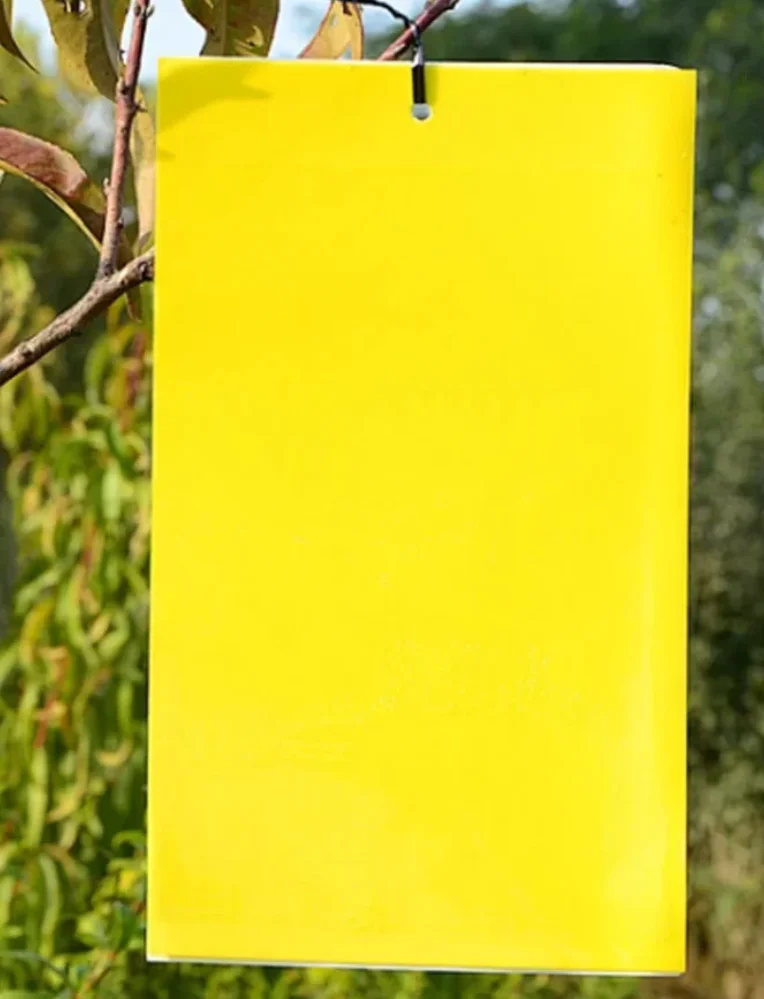
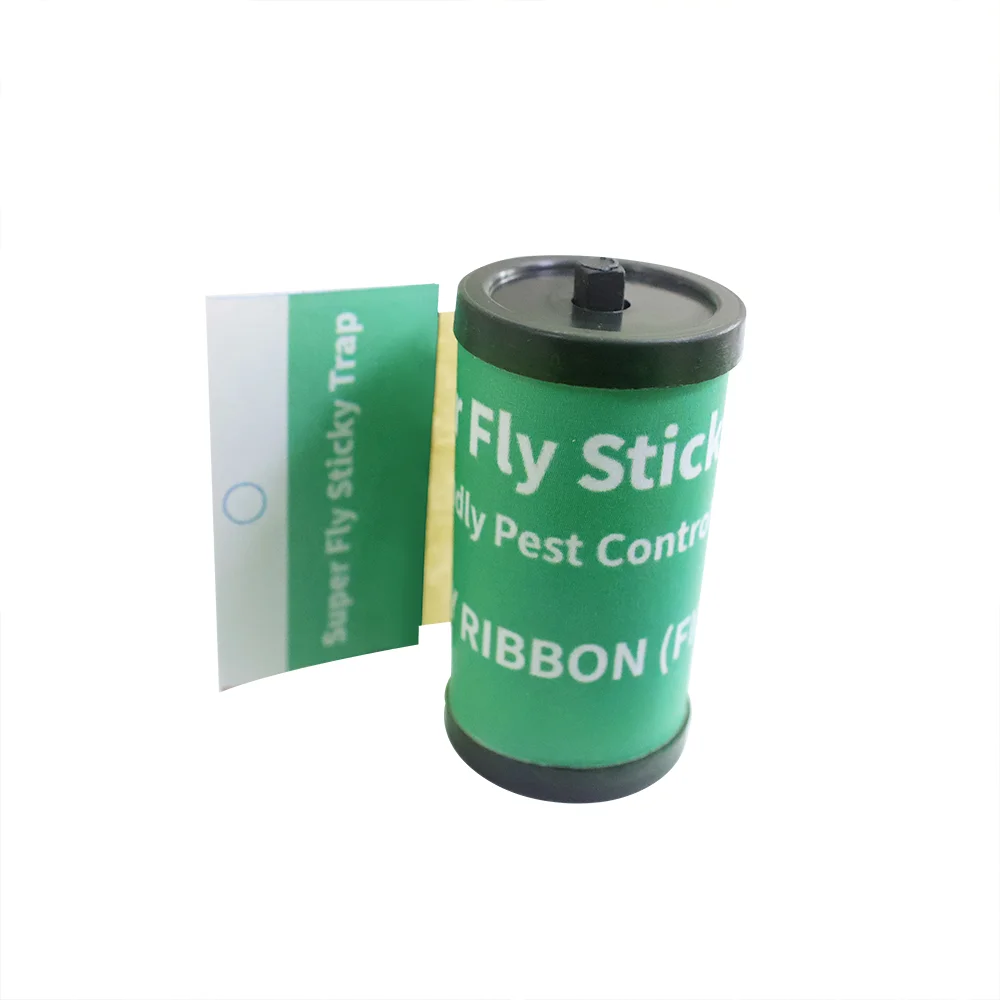
In short: fly tape is a sticky adhesive strip designed to capture flies and other flying insects. Usually, it comes in a roll or thin strip coated with a non-drying adhesive. Once hung in fly-prone areas, these strips trap bugs on contact, preventing them from moving around.
Though the idea sounds simple, it aligns well with modern needs — lots of industries from agriculture to food processing, and even NGOs running health campaigns, rely on fly tape for safe, chemical-free fly control. And unlike sprays or electronic traps, fly tape doesn’t produce fumes or require batteries.
Key Features that Make Fly Tape Effective
1. Durability and Adhesion
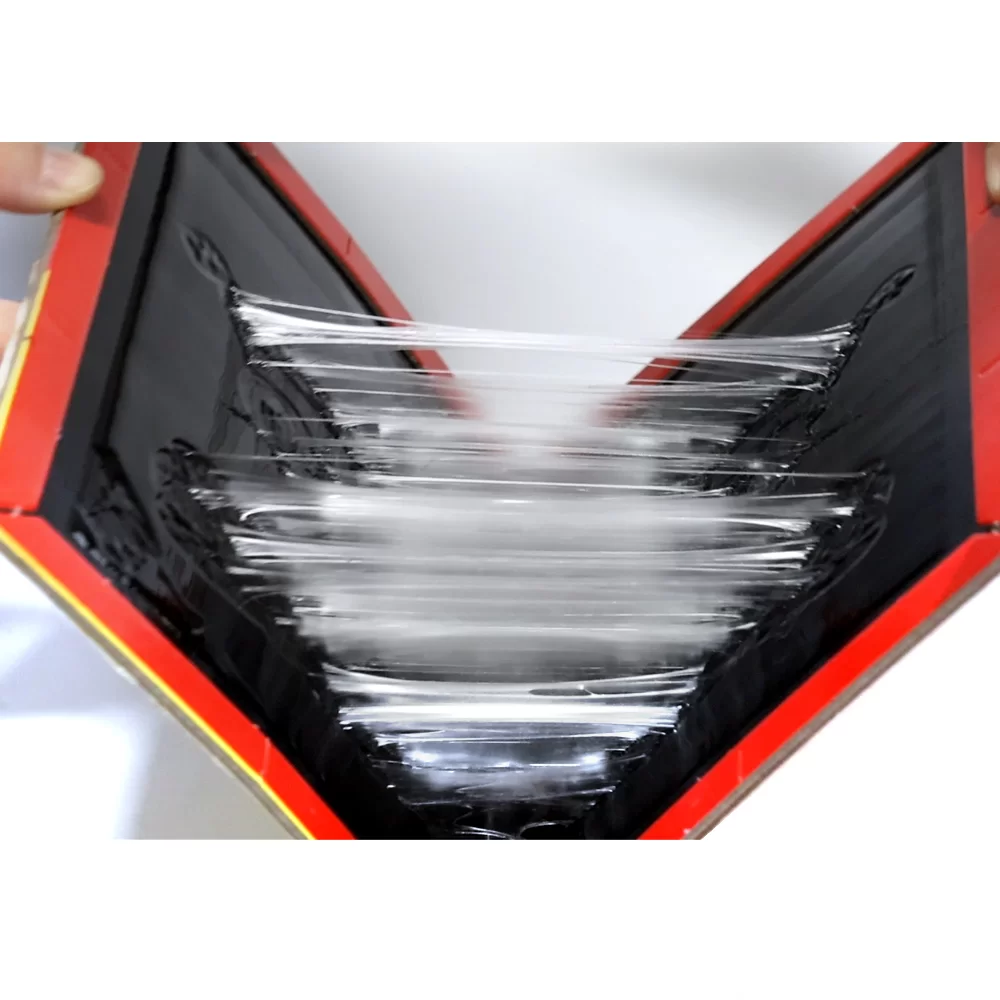
Good fly tape needs to strike a careful balance: the adhesive must stay sticky for weeks without drying out, even in hot or humid environments. Many modern tapes use natural resins or synthetic adhesives optimized to endure diverse climates. This means you can deploy a strip and forget it for a while — practical for busy operators or field workers.
2. Non-Toxic and Environmentally Friendly
Unlike chemical insecticides, fly tape is inherently non-toxic. This characteristic is key for food-related businesses and hospitals where chemical residues are a concern. It also aligns with the growing global push for greener pest control methods, favored in both developed and emerging markets.
3. Portability and Ease of Use
Carrying rolls of fly tape is a no-brainer for anyone working in remote areas or makeshift facilities. Hanging a strip requires minimal training — usually just peel, hang, and wait. This simplicity makes fly tape a favorite for disaster relief setups and outdoor events.
4. Cost Efficiency
Fly tape is remarkably affordable compared to electric traps or chemical sprays. This budget-friendliness means large-scale deployment is possible — often crucial for community health projects and large warehouses.
5. Customizability and Form Factors
Currently, manufacturers offer fly tape in multiple widths, lengths, and adhesive strengths, allowing users to pick the best fit for their environment — whether a small kitchen or a sprawling produce warehouse.
Mini Takeaway:
Fly tape’s core traits—durability, safety, simplicity, and affordability—combine to keep it relevant globally, especially in environments where low-tech solutions matter.
Global Use Cases: Where Fly Tape Makes a Difference
- Agriculture: Farms worldwide deploy fly tapes in barns and feed storage areas to protect livestock and crops from fly-borne pathogens.
- Food Processing: Facilities in the US and Europe often include fly tape in pest management programs to maintain hygiene standards during processing and packaging.
- Disaster Relief: After floods or earthquakes, NGOs like the Red Cross utilize fly tape in temporary shelters to prevent disease outbreaks caused by flies.
- Developing Regions: In parts of Sub-Saharan Africa and Southeast Asia, local clinics and households use fly tape as an inexpensive, chemical-free option to reduce fly populations.
It’s interesting how such a straightforward tool finds its place across vastly different environments—from Silicon Valley food plants to remote villages relying on traditional pest control.
Advantages and Long-Term Value of Using Fly Tape
What strikes many is how fly tape offers a combination of tangible and intangible benefits. On the pragmatic side: it’s low cost, easy to maintain, and reduces chemical dependency. Socially, it adds a layer of protection that enhances safety and dignity—imagine a refugee camp where children can eat without flies buzzing around. It’s a simple innovation with outsized returns.
Plus, from a sustainability viewpoint, fly tape can be made from recyclable materials and avoids toxic residues, aligning with ISO standards on environmental management (ISO 14001) — a growing concern among suppliers and customers alike.
Looking Ahead: Innovations on the Fly Tape Horizon
As demand for eco-friendly and efficient pest control grows, manufacturers are experimenting with:
- Biodegradable substrates: Fly tapes that break down harmlessly after disposal.
- Enhanced adhesives: That target a broader range of insects without chemical attractants.
- Integration with smart monitoring: I know, it sounds futuristic—digital fly counters linked to IoT devices are being prototyped for large facilities.
Although fly tape seems low-tech, it’s quietly evolving alongside the green energy and digital transformation trends shaping pest control right now.
Common Challenges and How They’re Tackled
Fly tape isn’t perfect. It can get messy, lose stickiness over time, or become less effective in dusty or greasy environments. Yet innovations like protective covers and improved adhesive formulas help mitigate these issues. Also, many users combine fly tape with other controls — like UV traps or sanitation — for integrated pest management.
Experts stress that awareness and proper placement are key: a poorly located fly tape is just sticky paper. Training programs for staff and feedback loops ensure that fly tape remains effective in complex settings.
Frequently Asked Questions About Fly Tape
- Q: How long does fly tape remain effective once deployed?
- A: Most fly tapes stay sticky for 3 to 6 weeks depending on humidity and temperature. In cooler, dry areas, they last longer; in hot and humid zones, replacement every 3 weeks is advisable.
- Q: Can fly tape be used safely around food?
- A: Absolutely. Fly tape doesn't emit harmful chemicals or fumes, making it suitable for kitchens and food processing zones if placed properly away from direct food contact.
- Q: Are there environmental concerns with disposing of used fly tape?
- A: Older fly tapes were less eco-friendly, but many modern brands use recyclable materials. Proper disposal is encouraged, and biodegradable options are gaining traction.
- Q: How does fly tape compare to electronic fly zappers?
- A: Fly tape is quieter, chemical-free, and usually more affordable. While zappers use electricity and can attract a wider range of insects, fly tape’s simplicity means less maintenance in remote or off-grid areas.
- Q: Where should I hang fly tape for best results?
- A: Ideally near fly entry points, food prep areas, or waste zones, but out of direct reach of children or animals. Hanging it in shaded locations prolongs adhesive life.
Fly Tape Specifications at a Glance
| Feature |
Typical Value |
Notes |
| Length |
20 - 100 feet (rolled) |
Varies by application |
| Width |
0.5 to 2 inches |
Narrower strips for small spaces |
| Adhesive Type |
Non-drying resin |
Resistant to drying out |
| Effective Duration |
3 to 6 weeks |
Depends on environment |
| Material |
Paper or biodegradable film |
Emerging eco-friendly options |
How Leading Vendors Stack Up
| Vendor |
Product Range |
Price Range |
Special Features |
| StickyRoll Co. |
Basic to premium grades |
$5 - $25 per roll |
Extra-tack adhesive, biodegradable options |
| SafeFly Solutions |
Wide size variety |
$7 - $30 per roll |
Eco-certified adhesives, UV resistant |
| GreenTrap Industries |
Standard, vertical and mini tapes |
$6 - $22 per roll |
Pet-safe, compostable substrates |
Closing Thoughts
It may seem quaint, but fly tape holds a quiet power in global pest management. Its blend of affordability, environmental safety, and practicality makes it indispensable in food production sites, rural clinics, and emergency shelters worldwide. For anyone looking to manage fly problems without fuss or harsh chemicals, this sticky strip remains a trusted ally.
Want to explore a quality range of fly tape that matches your industry needs? Head over to our website to check out options that combine innovation with reliability.
References
- World Health Organization – Vector-borne Diseases
- Wikipedia – Fly (insect)
- ISO 14001 Environmental Management