Sticky Trap for Ants: A Simple Yet Powerful Solution You Didn't Think You Needed
If you’ve ever had ants creeping into your pantry or workspace, you know how frustrating they can be. But sticky traps for ants offer a straightforward, chemical-free way to keep these tiny invaders at bay. On a global scale, their importance goes beyond household nuisances — pest control has significant impacts on agriculture, public health, and ecosystem balance. Understanding how sticky traps work, what makes them effective, and where they fit in modern pest management can help businesses, households, and communities tackle infestation without relying on harsh pesticides.
Why sticky traps for ants matter globally
Ant infestations affect not just homes but industries worldwide. According to the United Nations’ Food and Agriculture Organization (FAO), ants and other pests destroy roughly 20-40% of global crops annually. Beyond crops, ants can contaminate food supplies and infrastructure, especially in developing regions where pest control options are limited. In hospitals, schools, and food factories, simple solutions like sticky traps improve hygiene standards and reduce reliance on chemicals, which is crucial for environmental sustainability.
For example, imagine a remote agricultural community in sub-Saharan Africa struggling with invasive ant species that jeopardize harvests. Sticky traps offer an affordable, low-tech intervention that can be scaled to individual farmers and institutions. They also reduce risks to beneficial insects and ground-nesting wildlife that might be harmed by pesticides.
Mini takeaway: Sticky traps for ants aren’t just pest control—they’re part of global food security and eco-friendly sanitation efforts.
What exactly is a sticky trap for ants?
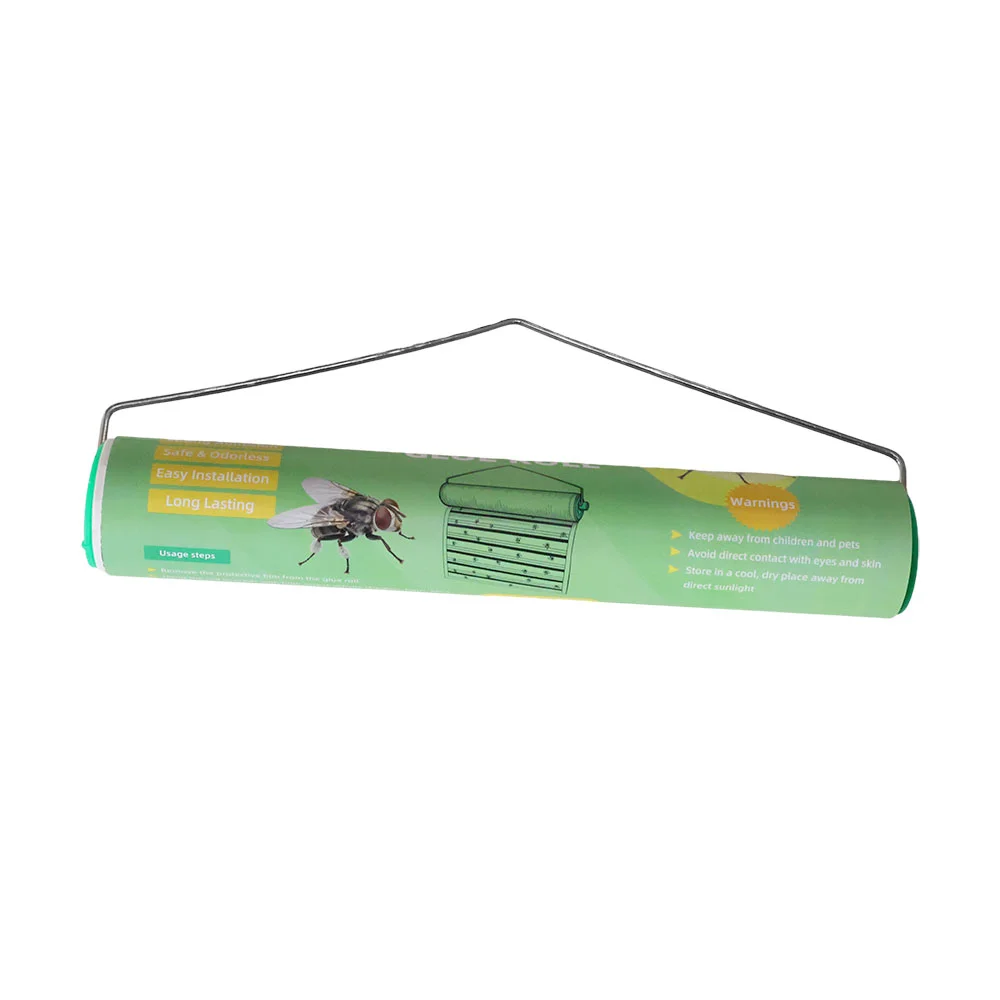
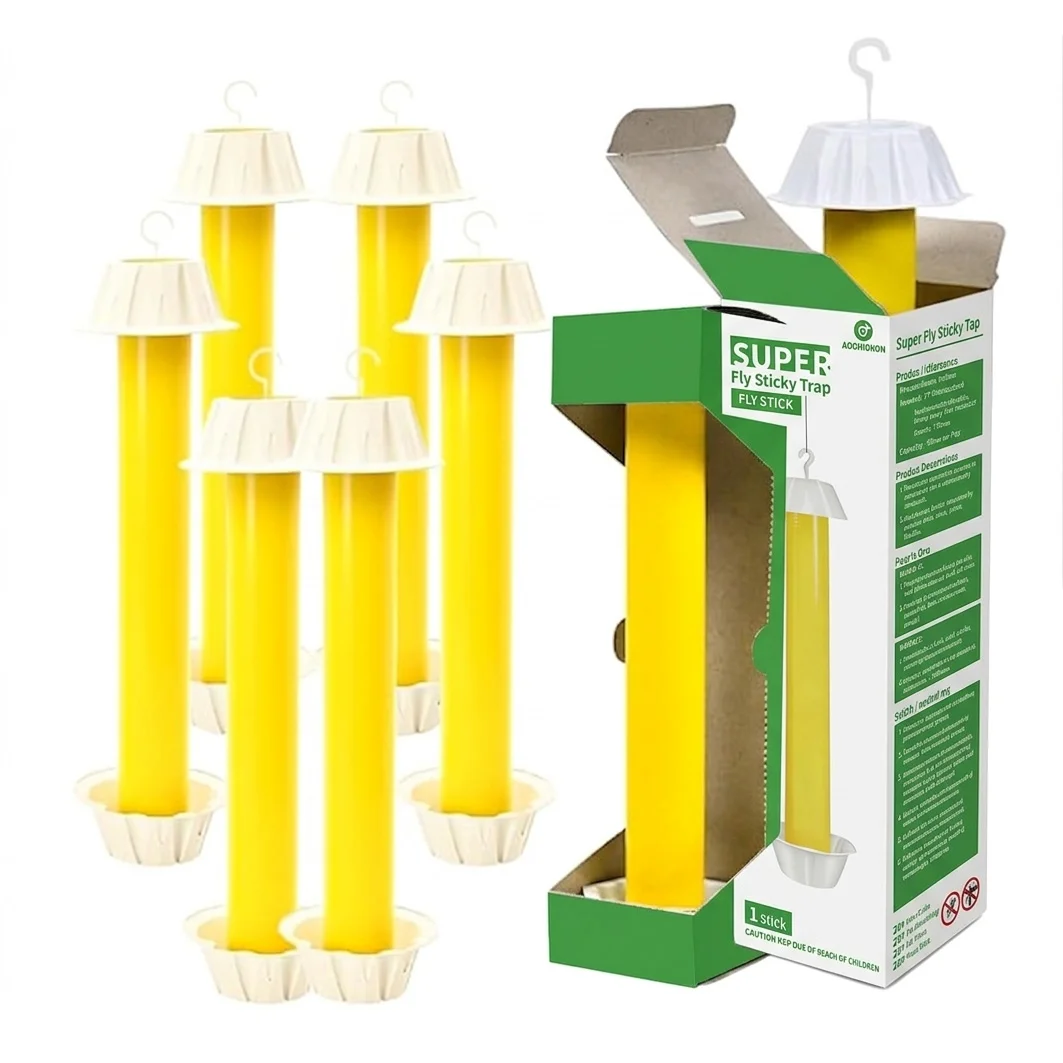
Simply put, a sticky trap for ants is a device—usually a flat pad or strip—that’s coated with a viscous adhesive designed to immobilize ants when they walk over it. No poisons, no sprays. The ants get stuck, allowing for a physical barrier approach. This pest management tool has roots in integrated pest management (IPM) strategies, which favor sustainable and environmentally conscious methods.
Industries like food processing, warehousing, and hospitality sectors widely adopt sticky traps. They fit into modern, non-toxic cleaning regimens that protect workers and consumers. Oddly enough, these traps serve as passive monitors too—letting managers track infestation levels by observing trapped ants collected over time.
Key factors that make sticky traps effective and practical
1. Adhesive Quality and Durability
The glue formulation is crucial. It must be sticky enough to trap ants but resist drying out or losing tack over weeks. Many commercial products use a synthetic resin blend optimized for humidity and temperature variance. Durability means fewer replacements, lowering operating costs.
2. Size and Design
Traps come in various sizes—from small, easy-hide strips to larger pads. The design influences where you can place them (narrow crevices, near nests, along ant trails). Some even have bright colors or attractants to lure ants closer.
3. Non-toxicity and Pet Safety
This is a big deal for households and facilities with pets or children. Sticky traps avoid harmful chemicals but can still capture pesky ants effectively. This factor increases adoption.
4. Cost Efficiency
Compared to professional pesticide treatments, sticky traps are often inexpensive. When deployed strategically, the cost per unit area of coverage is minimal, enabling widespread use.
5. Environmental Impact
Since they don’t leach chemicals, sticky traps pose less risk to soil and water. From a sustainability perspective, they fit into green building certification goals (think LEED or WELL).
Mini takeaway: It boils down to adhesive tech, design, safety, cost, and environmental considerations, all intertwined to make sticky ant traps a viable tool in pest control arsenals.
Sticky Trap for Ants in Action: Global Applications & Use Cases
- Food Processing Plants: Ant detection and containment via sticky traps help maintain strict hygiene standards, preventing food contamination and costly recalls.
- Agricultural Settings: Farms in tropical regions use sticky traps near storage sheds and greenhouses as an early warning system and barrier to invasive species.
- Healthcare Facilities: Hospitals leverage non-toxic traps to ensure sterile environments without exposing patients to pesticides.
- Post-Disaster Relief: In emergency shelters after floods or hurricanes, sticky traps help manage insect vectors that tend to flare in crowded, humid conditions.
- Hospitality & Food Services: Hotels and restaurants deploy sticky traps discreetly in kitchens and storage to uphold health codes.
For instance, a mid-sized winery in California implemented a sticky trap monitoring system that reduced pesticide use by 70% while better controlling ant-related spoilage.
Product Specification Table - Typical Sticky Trap for Ants
| Specification |
Typical Feature |
| Dimensions |
10 cm x 15 cm (strip or pad) |
| Adhesive Type |
Synthetic resin-based, weather-resistant |
| Effective Duration |
Up to 30 days per placement |
| Attractants Included |
Optional - pheromone or sugar-based |
| Safety |
Non-toxic, pet-safe, no chemical runoff |
| Packaging |
Individually wrapped for hygiene |
Comparing Leading Vendors of Sticky Traps for Ants
| Vendor |
Adhesive Durability |
Eco-Friendly |
Customization |
Price Range (per pack) |
| TrapMasters Inc. |
High (30+ days) |
Partial (Biodegradable backing) |
Yes (size & attractants) |
$25–$40 |
| EcoGuard Solutions |
Medium (20 days) |
Yes (biodegradable adhesive & backing) |
Limited |
$30–$50 |
| ProPest Control |
Standard (15–20 days) |
No |
No |
$20–$35 |
Advantages and Long-Term Benefits of Sticky Trap for Ants
Cost-wise, sticky traps often beat out pesticide sprays and professional fumigation. Their upfront affordability and ease of deployment let users quickly react to pest issues without heavy budgets. For households, it’s also peace of mind — non-toxic and safe around kids and pets, without that lingering chemical smell.
There’s also a sustainability angle. Sticky traps avoid introducing synthetic chemicals into the environment, thus protecting pollinators and soil organisms. The reliability of this approach encourages adoption in sensitive environments, like organic farms or wildlife preserves.
On a social level, think about vulnerable communities or disaster-relief shelters where chemical pest control might be risky or unavailable. Sticky traps let people maintain hygiene and safety with minimal training or infrastructure.
Mini takeaway: Sticky traps blend cost savings, eco-friendliness, and human health safeguards, making them a trusted player for long-term pest management.
What’s Next? Future Trends in Sticky Trap Technology
Though seemingly simple, innovation is creeping into sticky trap design. Some firms experiment with “smart traps” embedded with sensors to detect ant species and population trends remotely. There’s also a push toward bio-based adhesives made from natural polymers that degrade safely after use — quite a leap from the synthetic glues.
Moreover, integrating pheromone attractants that selectively lure invasive species while sparing native ants is gaining traction. On the policy front, tighter regulations on pesticide use push stakeholders to adopt these passive devices as primary control methods.
Finally, automation might reshape monitoring — imagine traps that report captures via Bluetooth to a central system, letting facility managers respond faster. As digital transformation reaches pest control, sticky traps could become a data gateway rather than just a sticky pad.
Common Challenges & How Experts Solve Them
The main hurdle? Trap saturation and maintenance. Over time, dust and debris reduce adhesive effectiveness, meaning traps must be replaced regularly. This can be a pain in large facilities.
Also, sticky traps don’t eliminate ants lurking out of reach, especially in large colonies. So, they serve best as part of a broader integrated pest management plan — coupled with sanitation, habitat modification, and occasional treatments.
Innovative approaches include protective covers that prevent dust accumulation, and UV-resistant adhesives to maintain stickiness in outdoor or greenhouse environments. Another tactic is deploying multiple small traps in strategic spots rather than a few large ones, enhancing coverage.
FAQ: Sticky Trap for Ants
- Q: How long does a sticky trap remain effective?
A: Typically, a sticky trap for ants remains functional for about 20 to 30 days, depending on environmental factors like humidity, dust, and temperature. Regular replacement ensures optimal performance.
- Q: Are sticky traps safe around children and pets?
A: Yes. Most sticky traps are non-toxic and don’t release harmful chemicals. However, it’s advisable to place them out of reach to avoid accidental contact or ingestion of trapped ants.
- Q: Can sticky traps control large ant infestations on their own?
A: Sticky traps are great for monitoring and controlling minor infestations but usually should be part of a wider pest management strategy when facing large or established colonies.
- Q: Where should sticky traps be placed for maximum effectiveness?
A: Place traps near likely entry points, along ant trails, and close to nests if visible. Corners, behind appliances, and near food storage areas are common spots.
- Q: Is it necessary to use attractants with sticky traps?
A: Attractants can increase trap effectiveness by luring ants, especially in areas without obvious trails. Many commercial traps offer optional pheromone or sugar-based additives.
Wrapping Up: Why Sticky Trap for Ants Deserves a Spot in Your Arsenal
In the end, sticky traps for ants strike a rare balance between simplicity, affordability, and eco-friendliness. They fit neatly into the complex needs of households, businesses, and humanitarian operations worldwide. With advancing materials tech and integration with monitoring systems, their role might only grow more vital.
If you’re interested in exploring effective pest control solutions, check out sticky trap for ants offerings that combine modern adhesive tech with sustainability.
After all, a little sticky pad might just keep your space—and your world—a bit cleaner and safer.
References:
1. Food and Agriculture Organization of the United Nations (FAO), Pest Management Statistics.
2. Integrated Pest Management Principles, EPA (Environmental Protection Agency).
3. LEED v4 Green Building Rating System Requirements – Indoor Environmental Quality.