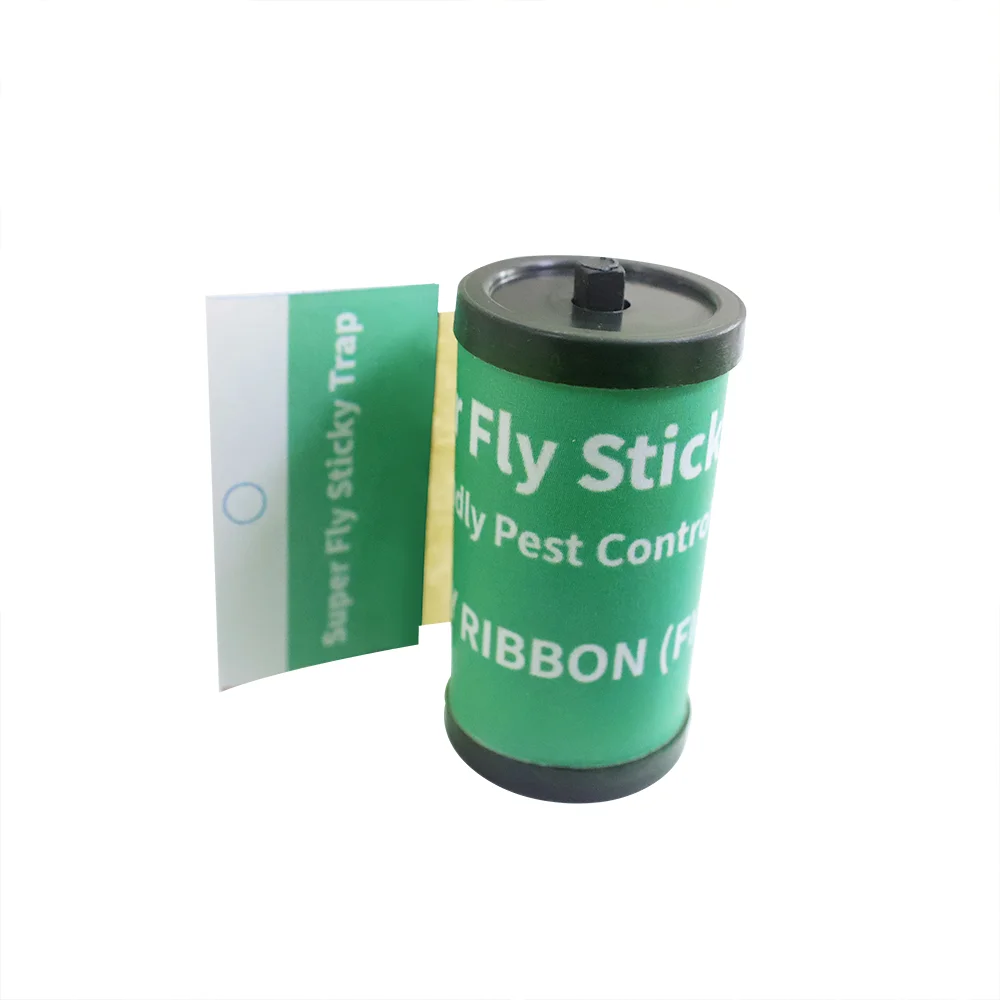
Sticky Traps for Bugs: What They Are and Why They Matter Worldwide
Sticky traps for bugs might sound like some simple backyard remedy, but they quietly hold a surprisingly important place in global pest control. These little sticky-coated sheets or cards are often the unsung heroes in agriculture, public health, warehouses, and even humanitarian aid efforts. Understanding the sticky trap for bugs extends beyond just bug-catching — it’s about sustainable, chemical-free pest management that can help reduce health risks and food losses worldwide.
In a world increasingly focused on greener alternatives and integrated pest solutions, sticky traps represent an accessible, cost-effective frontline defense. Whether it’s farmers in Southeast Asia battling destructive caterpillars or warehouse managers ensuring pest-free stock in North America, sticky traps offer a safe, no-fuss way to monitor and reduce pest populations without harmful pesticides.
Global Context: Why Sticky Traps for Bugs Are Gaining Attention
Did you know that according to the Food and Agriculture Organization (FAO), pests destroy roughly 20–40% of global crop production each year? This staggering figure alone underscores the challenge farmers and food suppliers face worldwide. Globally, as climates shift and trade increases, invasive pests spread faster than ever. Meanwhile, stringent environmental regulations — think ISO standards on pesticide use — have pushed industries to look for sustainable alternatives.
Sticky traps provide an elegant, low-impact solution. Used widely across continents, these traps help monitor insect populations, guide targeted interventions, and reduce pesticide reliance. Beyond agriculture, the World Health Organization (WHO) notes that vector-borne diseases transmitted by insects — like mosquitoes — remain a global health issue. Here again, sticky traps assist in monitoring disease vectors and implementing effective control.
Mini takeaway: Sticky traps have become globally relevant tools designed to tackle pest challenges without the collateral damage of chemicals, combining science with simplicity.
What Exactly is a Sticky Trap for Bugs?
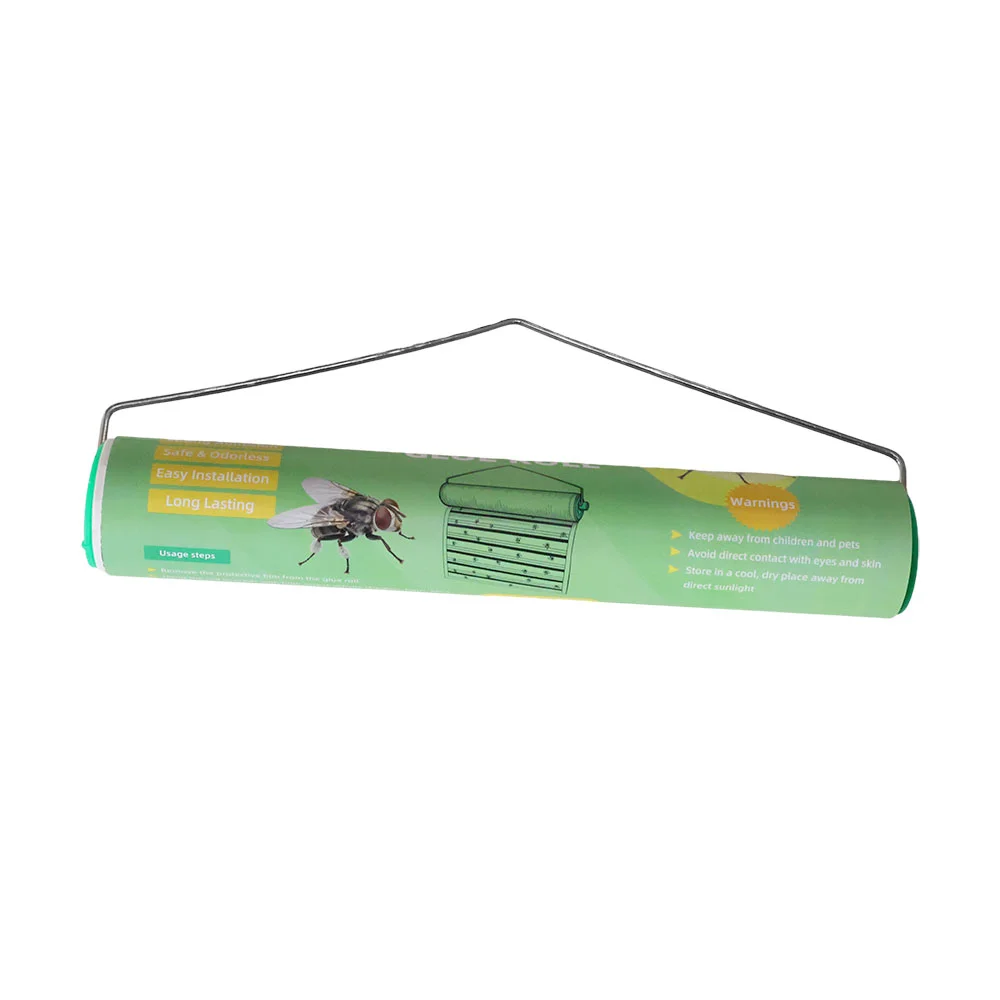
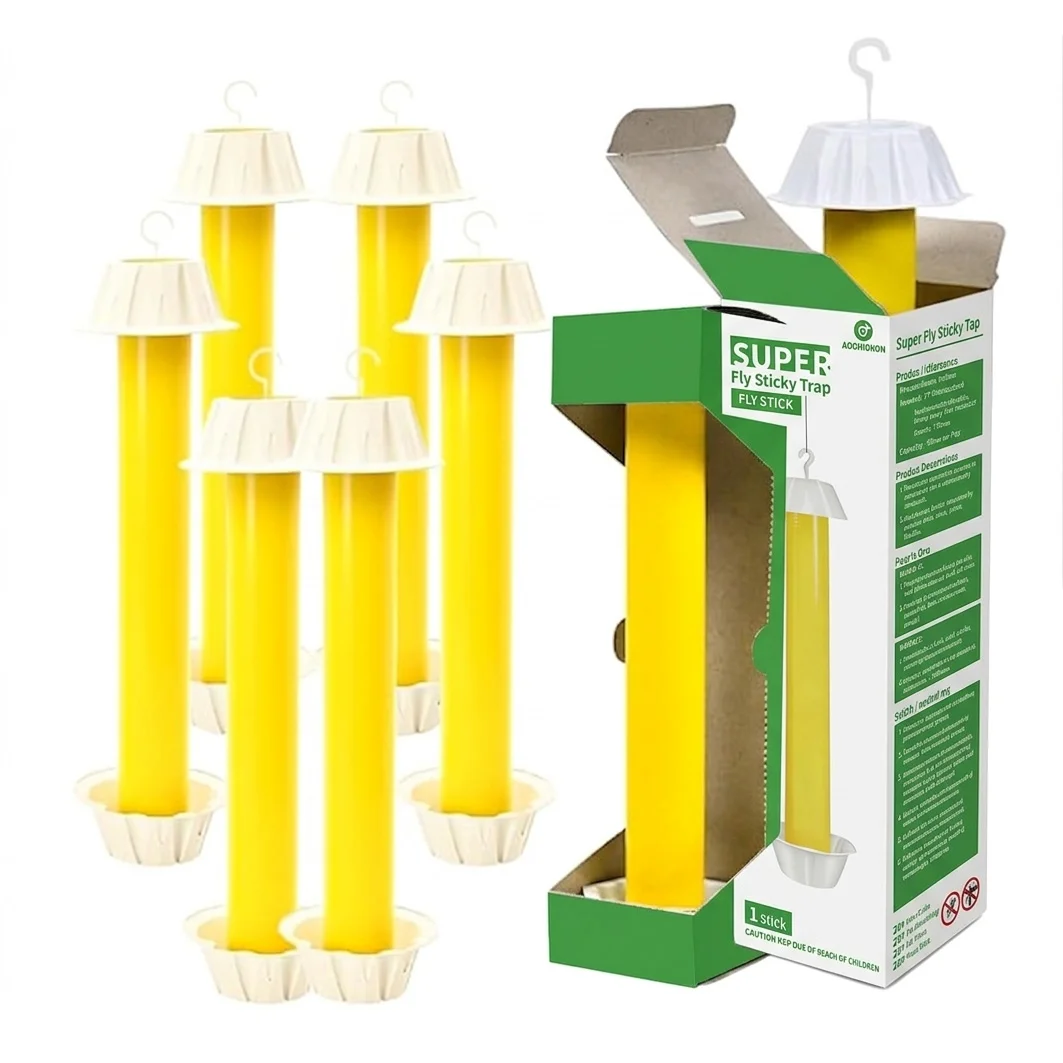
At its core, a sticky trap for bugs is a simple but clever device: a card, strip, or sheet coated with a tacky adhesive that lures and captures crawling or flying insects when they land on it. Often, these traps are colored — bright yellow is a popular choice — to attract specific pests like aphids, whiteflies, or thrips. Others come with added pheromones, making them even more effective.
They serve both as monitoring tools — giving farmers or pest control staff early warnings — and as direct control tools, physically removing insects from an environment. No poisons, no sprays, no fancy machinery. Just a bit of sticky ingenuity.
Their connection to modern industry and humanitarian needs is evident: sticky traps integrate easily into integrated pest management systems (IPM), lowering chemical use, enhancing worker safety, and maintaining product quality. Particularly in humanitarian food storage centers or disaster-relief warehouses, these traps ensure pest outbreaks don’t exacerbate already tight situations.
Key Features That Make Sticky Traps Effective
1. Durability and Adhesive Strength
The adhesive’s quality is crucial — too weak, and bugs escape; too strong, and dust renders it useless or the trap becomes difficult to handle. Many engineers emphasize the importance of weather resistance, especially for outdoor use where humidity and sunlight can degrade adhesives.
2. Targeted Attractiveness
Colors and pheromones tailored to specific insect behaviors improve effectiveness. For example, yellow sticky traps target aphids effectively, while blue traps lure thrips better. Customizable scent lures can extend utility to beetles or moths. This specificity reduces bycatch and increases monitoring accuracy.
3. Size and Scalability
Sticky traps come in various sizes — small cards for indoor use, large sheets for farms or storage areas. The scalability lets users deploy them strategically, covering high-risk zones or mass deployment over large fields.
4. Cost Efficiency
Compared to chemical pesticides or electronic traps, sticky traps are inexpensive per unit and require little maintenance. Reusability isn’t typical, but low cost offsets replacement frequency.
5. Environmental Safety
Non-toxic, chemical-free, and often biodegradable, sticky traps support sustainable pest management goals and minimize collateral damage to non-target wildlife and human health.
Mini takeaway: The balance of adhesive quality, pest-specific attraction, and cost makes sticky traps a practical, eco-friendly approach to pest control.
Where Are Sticky Traps for Bugs Most Commonly Used?
Sticky traps aren't just for hobby gardeners or home kitchens. Their applications span far and wide:
- Agriculture: Vegetable farms, orchards, and greenhouses across Europe, Asia, and the Americas rely heavily on sticky traps to detect and control pest outbreaks early.
- Warehousing & Food Storage: Large-scale warehouses use them to monitor infestation risks and preserve food supply integrity.
- Public Health: Vector control programs, especially in tropical regions battling malaria or dengue, use sticky traps to monitor mosquito populations.
- Disaster Relief & Humanitarian Missions: In remote or post-disaster zones, sticky traps help non-profits prevent pest-spread in emergency shelters or stored food supplies.
- Industrial Facilities: Factories and food processing plants deploy sticky strips to comply with hygienic standards and prevent contamination.
For instance, farmers in sub-Saharan Africa have reported better crop yields after incorporating sticky traps into their Integrated Pest Management (IPM) plans, cutting pesticide use by nearly 30%. And oddly enough, in cold northern climates, sticky traps inside greenhouses provide all-season control that’s safer for workers and crops alike.
Advantages and Long-Term Value of Sticky Traps
Sticky traps' benefits are as practical as they are inspiring. From a financial perspective, the traps lower pesticide costs and reduce crop losses. On the environmental front, they help preserve beneficial insect populations and reduce chemical runoff, aligning with ISO environmental management guidelines.
Socially, they enhance workplace health by lessening chemical exposures. Psychologically, there’s a sort of reassurance in seeing physical results — those pesky bugs caught right before they spread. Some growers mention it almost feels therapeutic, a kind of immediate success in a long battle.
Modern Innovations and Where Sticky Traps Are Headed
Future iterations of sticky traps combine digital tech and sustainability. Imagine integrating tiny sensors into traps that send real-time data to a farmer’s smartphone — no more guesswork or manual counting. Others incorporate biodegradable adhesives made from natural plant extracts, reducing environmental footprint even further.
Automation trends are pushing toward drone-deployed sticky sheets for remote or large terrain monitoring, and AI-based image recognition that identifies pests caught on traps automatically. Embracing these technologies will make sticky traps smarter and even more effective.
Typical Challenges and Smart Solutions
No product is perfect. Sticky traps sometimes face issues like dust accumulation which reduces stickiness, or non-target capture of beneficial insects. In very dusty environments, periodic cleaning or protective covers help. Selective coloring and placement strategies minimize non-target catches.
Expert IPM consultants often recommend using sticky traps as part of a multi-layered approach, not standalone. Partnering traps with strategic pesticide use, crop rotation, or biological controls ensures the highest success.
Common Questions About Sticky Traps for Bugs
- Are sticky traps reusable or a one-time use product?
- Typically, sticky traps are single-use. After they’re full of insects or dirt, they’re replaced. Though some newer products offer peel-off layers to extend usability.
- Can sticky traps catch all types of bugs?
- No, their effectiveness depends on the pest species targeted. Color, pheromone attraction, and trap placement are key to catching specific insects.
- Are sticky traps safe to use around food?
- Yes. Sticky traps are non-toxic and don’t release chemicals, making them safe for warehouses and food production—but keep traps clean and monitor regularly.
- How often should sticky traps be replaced?
- Replacement frequency varies by environment but generally every 2–4 weeks or once the trap is saturated with insects and debris.
- Can I use sticky traps outdoors?
- Absolutely, but outdoor traps may require weather-resistant coatings and more frequent replacement due to environmental wear.
Product Specification Table: Typical Sticky Trap for Bugs
| Feature |
Specification |
| Dimensions |
10 cm x 25 cm (standard card) |
| Color Options |
Yellow, Blue, Red (for different pest targets) |
| Adhesive Type |
Non-toxic, pressure-sensitive, weather-resistant |
| Pheromone Lure |
Optional, species-specific blends available |
| Shelf Life |
12 months unopened, stored cool & dry |
| Disposal |
Biodegradable options available; otherwise dispose as per local regulations |
Vendors Comparison Table: Popular Sticky Trap Providers
| Vendor |
Product Range |
Price Range (per 100 units) |
Key Features |
Global Shipping |
| EcoTrap Solutions |
Yellow & blue sticky cards, pheromone lures |
$30–$45 |
Biodegradable traps, weather-resistant adhesive |
Yes |
| BugSafe Technologies |
Wide color options, electronic monitoring traps |
$50–$70 |
Smart sensors, real-time pest alerts |
Selective (mostly US & EU) |
| GreenField Agro |
Standard sticky sheets & pheromones |
$25–$40 |
ISO-certified quality, bulk discounts |
Yes |
Interested in exploring further? You may want to check out our detailed guides on sticky trap for bugs that highlight product comparisons and deployment tips.
Final Thoughts
Sticky traps might appear deceptively simple, but their role in pest management is both far-reaching and evolving. They serve as a bridge between traditional pest control and modern, sustainable integrated methods. Their benefits span cost-effectiveness, environmental friendliness, and practical ease, making them indispensable tools worldwide.
As technology merges with nature-inspired solutions, we can expect sticky traps to get smarter, greener, and more tailored to the specific pest challenges we face. So next time you see one of those glossy yellow cards hanging quietly in a greenhouse or warehouse aisle, remember — it's part of a global effort to feed, protect, and sustain communities.
Ready to dive deeper? Visit our website: https://www.hbarcherfish.com to discover innovative sticky traps and pest control solutions that fit your needs.
References:
1. FAO. (2023). Crop Pest Management Overview
2. World Health Organization. (2022). Vector-borne Diseases Fact Sheet
3. ISO 14001 Environmental Management Standard. ISO.org