Sticky Trap for Plants: A Simple Yet Powerful Tool in Pest Management
At first glance, a sticky trap might seem basic — a strip of adhesive that catches unwanted pests. But in the larger picture of sustainable agriculture and eco-friendly gardening, sticky traps for plants have quietly become one of the most globally relevant pest control solutions. They’re cheap, non-toxic, and surprisingly effective. If you’re involved in horticulture, commercial farming, or even urban gardening, understanding how sticky traps work and their benefits can really boost your pest management game.
Why Sticky Traps Matter Globally
The global food industry faces a constant battle against insect pests, which the Food and Agriculture Organization (FAO) estimates can cause up to 40% crop losses annually. Chemical pesticides have long been the go-to solution, but rising concerns about health and environmental impact are pushing growers towards greener alternatives.
Sticky traps for plants fit right into this paradigm by offering pest control with minimal chemical use. According to recent UNEP data, integrated pest management (IPM) techniques—including sticky traps—are showing promising results in reducing pesticide usage globally. Especially in regions where regulatory controls on chemicals are stringent, or where smallholder farmers have limited access to pesticides, sticky traps provide an accessible, scalable option.
However, one challenge remains—making sticky traps adaptable to different climates and crop types worldwide. But as I’ll explain, innovations are steadily bridging this gap.
What Exactly Is a Sticky Trap for Plants?
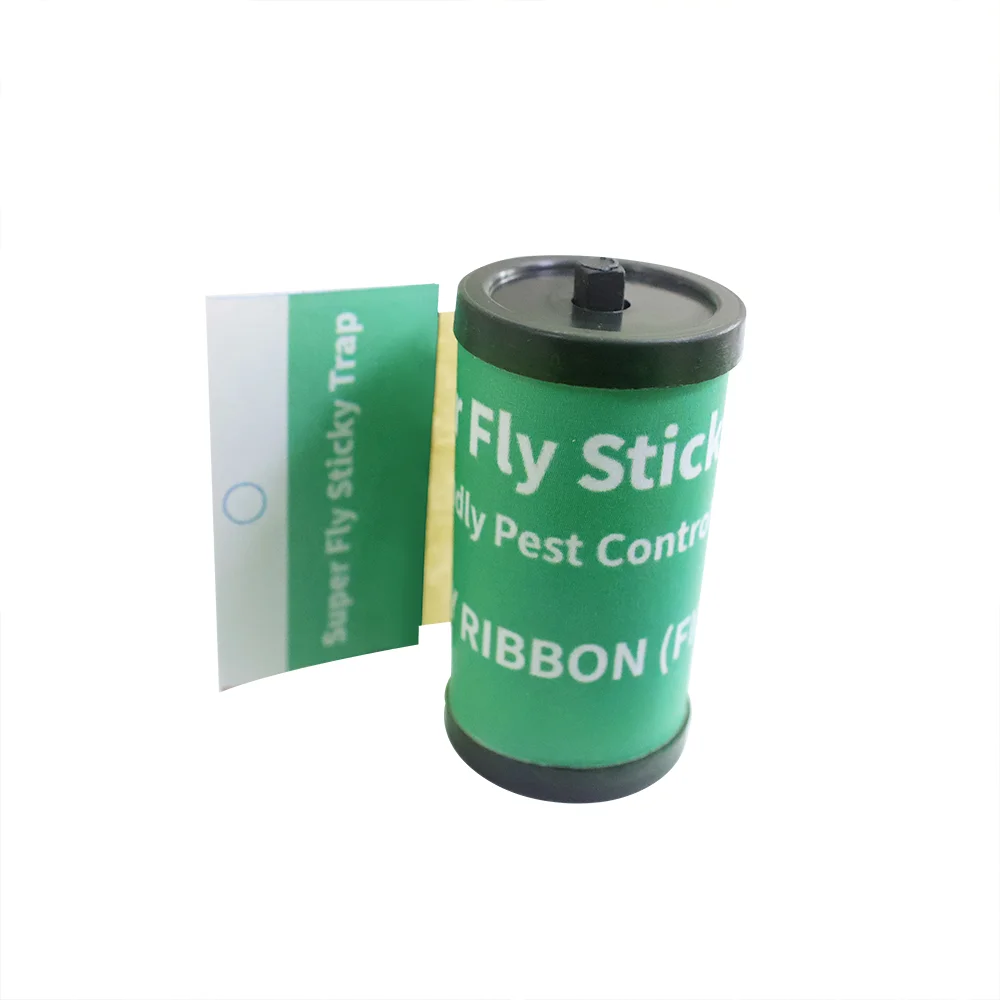
Simply put, a sticky trap is a board or card coated with a sticky adhesive designed to capture flying or crawling insect pests. Usually brightly colored—yellow or blue—to attract specific insects, these traps are placed near plants to reduce pest populations naturally.
In modern agriculture, sticky traps fall under the umbrella of IPM tools, which integrate biological, mechanical, and chemical controls to protect crops while minimizing environmental harm. They’re invaluable in greenhouse environments, organic farming, and even post-harvest storage.
Core Components of an Effective Sticky Trap
1. Adhesive Strength
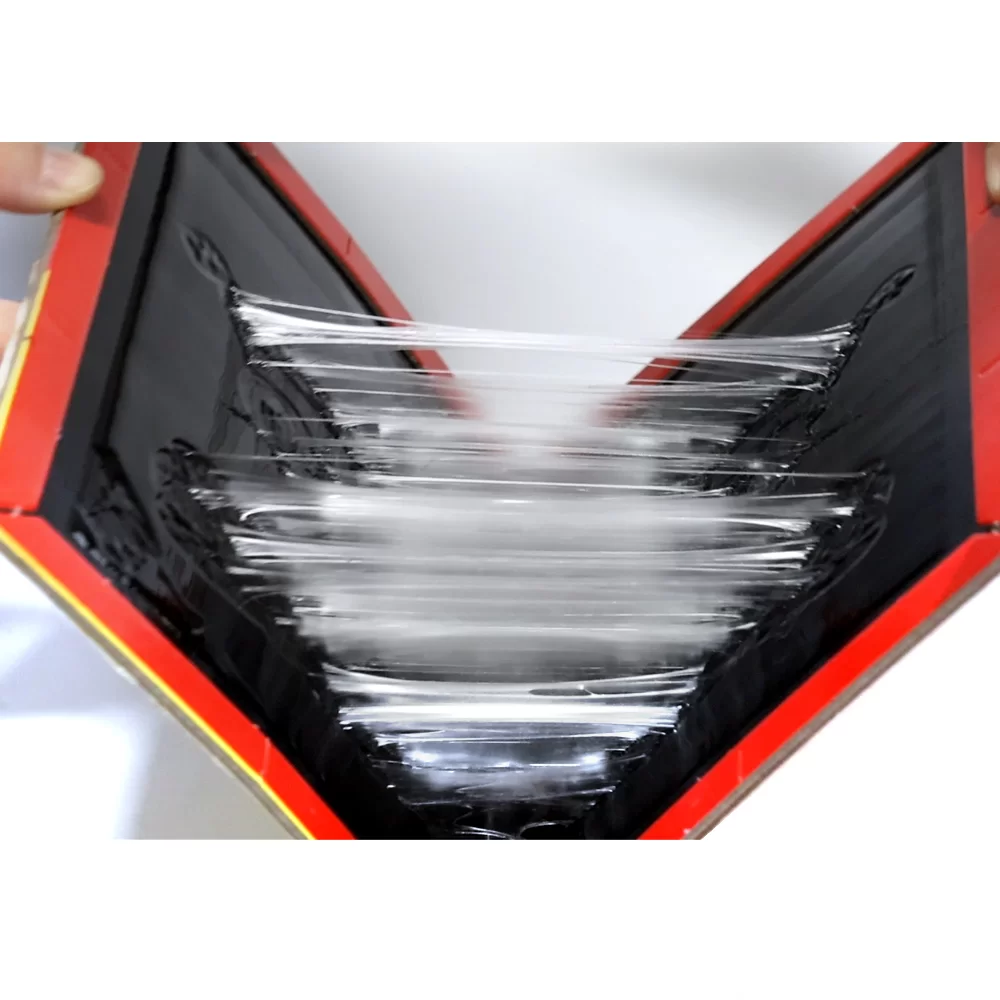
This is perhaps the cornerstone of any sticky trap. The adhesive needs to be tacky enough to hold insects firmly but also weather-resistant to avoid washing off in rain or degrading under sunlight. Some manufacturers use natural resins or synthetic polymers optimized for long field life.
2. Color and Visual Appeal
Different insects are attracted to different wavelengths. Yellow sticky traps draw aphids and whiteflies, whereas blue traps are preferred for thrips. Understanding your target pest helps pick the right color.
3. Durability and Material
Many sticky cards are made of sturdy cardstock or plastic sheets. For outdoor use, water-resistant materials extend effective trap life. The base also needs to be rigid enough not to flop over or tear easily.
4. Size and Deployment Flexibility
Ranging from small strips for indoor plants to large panels for greenhouses, the trap size often determines coverage and labor intensity. Modular designs with pre-scored edges allow gardeners to customize sizes on the fly.
5. Environmental Safety
Nowadays, many sticky traps employ non-toxic adhesives, posing no hazard to humans, pets, or beneficial insects that are not attracted to the trap colors.
Mini Takeaway:
Understanding these components can help you choose sticky traps tailored to your specific pest and environment — making pest management more effective and sustainable.
Global Applications: From Greenhouses to Remote Farms
The beauty of sticky traps lies in their versatility. In commercial greenhouses across Europe and North America, they are a frontline defense against whiteflies and thrips, reducing costly pesticide sprays. In Southeast Asia, smallholder farmers use simple yellow sticky cards to monitor and control aphid populations on rice and vegetable fields.
Even humanitarian agritech projects in parts of Africa have introduced sticky traps in drought-prone regions, where chemical inputs are scarce and costly. In these contexts, traps not only protect crops but empower farmers with low-tech, scalable tools that don’t compromise environmental health.
Oddly enough, you’ll also find sticky traps in post-harvest storage facilities to detect and reduce infestations early, which is crucial to reducing food waste.
Sticky Trap for Plants: Product Specification
| Feature |
Specification |
Typical Use |
| Size |
10 cm x 25 cm strip |
Indoor plants, small gardens |
| Color |
Yellow (also blue options) |
Attracts aphids, whiteflies, thrips |
| Adhesive Type |
Non-toxic, weather-resistant polymer |
Suitable for outdoor and greenhouse |
| Material |
Plastic-based card with UV coating |
Durability in outdoor conditions |
| Trap Life |
Up to 4 weeks |
Depends on pest pressure, weather |
Comparing the Leading Vendors of Sticky Traps
| Vendor |
Adhesive Quality |
Price Range |
Eco-friendliness |
Target Pests |
| GreenTrap Co. |
Strong, Weatherproof |
$$ |
Biodegradable adhesive |
Whiteflies, aphids |
| EcoSticky |
Moderate, UV resistant |
$ |
Non-toxic polymer |
Thrips, leaf miners |
| PestBlock Solutions |
High, rain resistant |
$$$ |
UV-coated plastic base |
Diverse flying pests |
Advantages and Long-Term Value of Sticky Traps
Sticky traps bring a slew of benefits beyond immediate pest reduction. I’ve noticed in many farming communities they help:
- Cost Efficiency: Compared to chemical sprays, sticky traps are inexpensive over the growing season.
- Environmental Sustainability: They reduce pesticide runoff and preserve beneficial insect populations.
- Early Detection: Sticky traps help monitor pest presence, giving growers time to respond before outbreaks.
- User Safety: Non-toxic and safe around kids and pets, a big relief for home gardeners.
On a social angle, using sticky traps empowers small-scale farmers with low-tech, effective solutions that don’t require complex training. It kind of elevates trust in the farming process—and I’d say that’s valuable in itself.
Future Trends: What’s Next for Sticky Traps?
As pest resistance to chemicals grows, and climate change shifts pest patterns, sticky traps are evolving too. Some promising innovations include:
- Biodegradable substrates: Less plastic waste, aligning with zero-waste agricultural goals.
- Scent-augmented traps: Combining adhesive with pheromones or plant volatiles for targeted pest attraction.
- Digital monitoring integration: Smart traps with sensors to relay pest data remotely and automate responses.
- Customized shapes and UV coatings: To better capture specific pests in various climates.
These could make pest management more precise and less labor-intensive, which frankly, is something many growers have wished for.
Common Challenges and How Experts Overcome Them
Sticky traps are great, but they’re not magic bullets. Some limitations include:
- Non-selective trapping: While color helps, beneficial insects sometimes get caught accidentally.
- Adhesive degradation: In very wet or dusty environments, adhesives lose effectiveness faster.
- Labor intensity: Traps need periodic replacement and monitoring to stay effective.
Experts often recommend combining sticky traps with other IPM methods, like introducing natural predators or using crop-resistant varieties. Also, advances in trap coatings and adhesive formulas are addressing longevity and selectivity concerns.
FAQ: Sticky Traps for Plants
How often should sticky traps be replaced?
Generally, every 3 to 4 weeks, or when the adhesive surface is full of trapped pests. Environmental conditions like rain or dust can shorten trap life.
Can sticky traps harm beneficial insects?
They can catch non-target insects, but using color-specific traps and combined IPM strategies minimizes this impact.
Are sticky traps effective against all plant pests?
Sticky traps primarily target flying and crawling insects like aphids, whiteflies, and thrips but are less effective for soil-borne pests or larger insects.
Can I use sticky traps indoors?
Absolutely—many indoor gardeners use them to monitor and reduce pest populations on houseplants with great success.
Are sticky traps safe around children and pets?
Yes, most sticky traps use non-toxic adhesives and pose minimal risk; still, it’s best to place traps out of reach as a precaution.
Conclusion: Why Sticky Traps Are a Smart Move
Sticky traps for plants aren’t glamorous, but they work quietly and efficiently, supporting sustainable agriculture worldwide. They reduce reliance on harmful chemicals, save money, and empower growers big and small to manage pests naturally.
For anyone wanting to start or improve their integrated pest management toolkit, sticky traps offer a practical, tested solution worth trying. Curious to see options tailored for your needs? Visit our website: sticky trap for plants.
References & Further Reading
- Food and Agriculture Organization (FAO) reports on pest management
- United Nations Environment Programme (UNEP) sustainable agriculture guidance
- Integrated Pest Management - Wikipedia