Understanding Cat Deterrent Prickle Strips: An Unassuming Yet Global Solution
It’s funny how the smallest of things can make a surprisingly big difference. Cat deterrent prickle strips, that little line of spikes you sometimes see on fences or window sills, may seem like a humble invention. Yet, their impact reverberates far beyond just keeping neighborhood kitties at bay. In a world where urban wildlife management and property protection are rising concerns, understanding what these strips do and why they matter can spell a smoother coexistence with our four-legged companions—and save on damage and headaches. Let’s unpack what they are, how they work, and why they’re quietly becoming a global staple in humane pest control.
The Global Context: Why Cat Deterrent Prickle Strips Matter Worldwide
Urban areas across the globe struggle with managing free-roaming and feral cat populations. According to the World Animal Protection, millions of feral cats inhabit cities, which leads to concerns over the spread of disease, predation of native wildlife, and damage to property. This isn’t just a local or regional challenge—it’s a worldwide phenomenon driven by urbanization, habitat shifts, and the ever-closeness of humans and animals.
In real terms, prickle strips offer a simple, cost-effective, and humane way to protect sensitive zones without resorting to traps or poisons. The United Nations Environment Programme (UNEP) highlights humane wildlife management as a key pillar of sustainable urban development (see UNEP resources), making cat deterrent solutions part of a global push to harmonize urban living with animal welfare.
Oddly enough, something as straightforward as a prickle strip has been adopted by municipalities, wildlife trusts, and even private homeowners worldwide for their effectiveness and low environmental impact.
Mini takeaway: Cat deterrent prickle strips are more than just local fixes—they're a humane, globally relevant tool that balances wildlife welfare and urban needs.
What Exactly Are Cat Deterrent Prickle Strips?
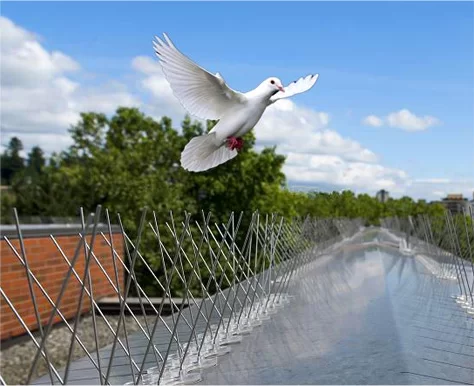
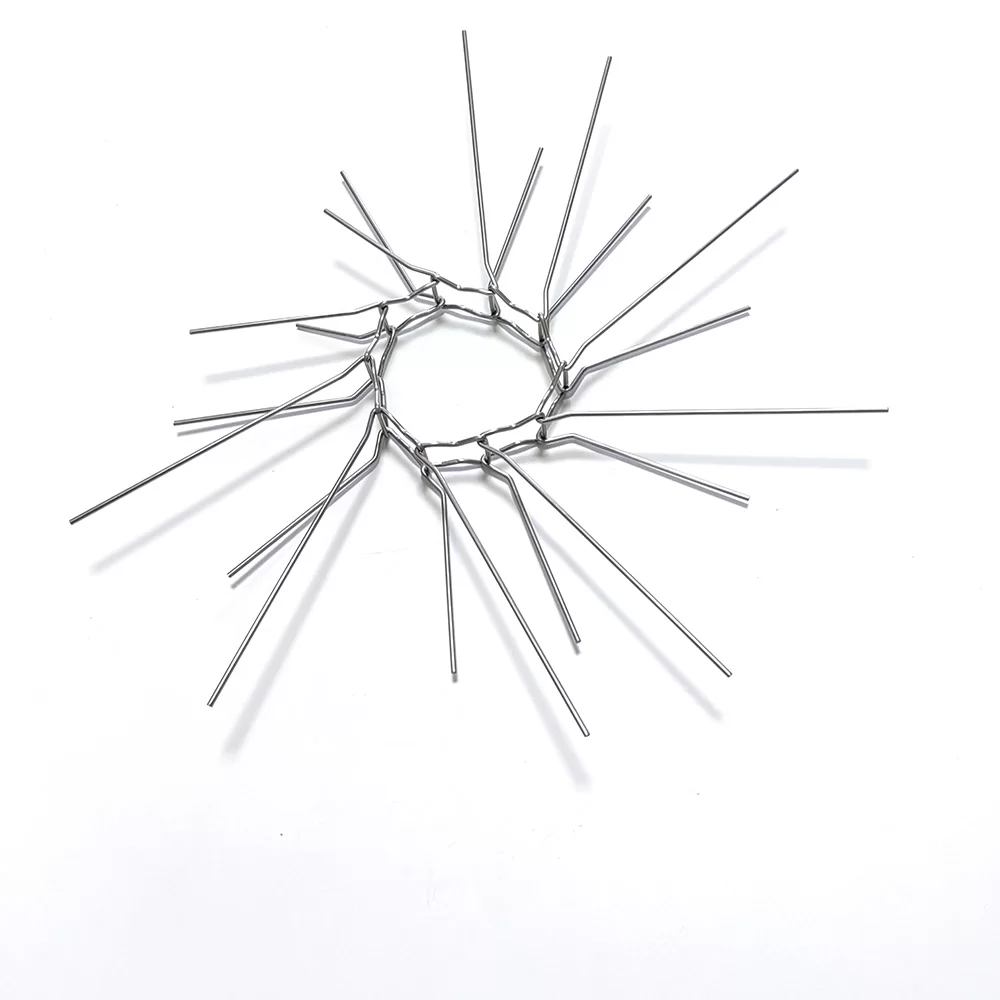
Put simply, cat deterrent prickle strips are narrow bands of plastic or metal embedded with soft, blunt spikes designed to discourage cats from walking, sitting, or scratching on certain surfaces. They’re installed on ledges, fences, windowsills, and garden beds to create an uncomfortable—but harmless—barrier.
Their design is rooted in modern pest control philosophies: deterrence without harm. Instead of injuring animals, these strips trigger avoidance behavior, which is key to ethically managing stray or feral cat populations.
Industrially, these strips are manufactured with UV-resistant materials to withstand weather extremes—a nod to longevity and environmental sustainability. Plus, their modular form means they’re scalable for different applications, from a small garden to large facility perimeters.
Mini takeaway: Cat deterrent prickle strips are non-lethal, durable, and adaptable barriers that provide humane control over cat movement.
Core Features That Make Cat Deterrent Prickle Strips Work
Durability & Weather Resistance
One of the first things engineers and installers check is how well these strips handle rain, snow, and UV exposure. High-quality prickle strips use polypropylene or similar plastics treated to resist sun damage, while others use coated metals to avoid rusting. This ensures that their effective ‘spikiness’ stays intact over years, rather than turning brittle or festering.
Ease of Installation & Scalability
You don’t need a contractor and a crane for these. Most prickle strips snap onto surfaces with adhesive backing or screw-in mounts. This modular approach means they scale easily—covering a tiny ledge or hundreds of feet of fencing without costly customization.
Effectiveness Without Harm
Unlike barbed wire or electric deterrents, prickle strips do not risk injuring animals. The spikes are blunt and spaced just right to discourage cats but not harm wild birds or small mammals. Humane scores win here, which is why many animal rights groups advocate their use over lethal methods.
Cost Efficiency Over Time
Compared to ongoing pest-control services or damage repair, prickle strips are budget-friendly. Install once, and you have years of protection. Some suppliers claim their products last up to a decade with minimal maintenance—a rare longevity in outdoor fixtures.
Aesthetic & Custom Options
Nowadays, prickle strips come in various colors and forms, allowing them to blend with building styles or garden aesthetics. It’s a small, almost invisible intervention, which is why architects and landscapers are starting to specify them in plans.
| Specification |
Typical Value |
Remarks |
| Material |
UV-stabilized polypropylene |
Weatherproof, flexible |
| Spike Height |
15-20 mm |
Blunt tips for safety |
| Length per strip |
30-50 cm |
Modular for custom lengths |
| Installation |
Adhesive or screw mount |
Tool-free options available |
| Lifespan |
7-10 years |
Dependent on environment |
Where Are These Prickle Strips Used and Who Benefits?
Interestingly, their greatest uptake isn’t just residential fences (though that’s common) but also in municipal spaces, wildlife sanctuaries, and industrial zones.
- Urban Municipalities: Used near parks and building ledges to prevent cats from nesting or scratching.
- Wildlife Conservation Areas: Protecting vulnerable bird nesting sites from feral predators.
- Commercial Industrial Sites: Preventing cats from entering restricted zones or contaminating materials.
- Animal Welfare Organizations: Promoting humane urban pest management as alternatives to trapping or poisons.
Take a post-disaster relief operation in California, where temporary shelters were fitted with prickle strips to keep feral animals from nesting inside, preserving hygiene without harming local fauna. Or a remote industrial zone in Australia where crops were protected by prickle strips on perimeter fences, reducing property damage and improving worker safety.
Mini takeaway: Cat deterrent prickle strips serve a variety of needs—urban, rural, humanitarian, and commercial—making them widely applicable and effective.
The Long-Term Benefits: More Than Just Keeping Cats Away
At first glance, prickle strips are all about physical deterrence, but the benefits are both emotional and pragmatic. For one, they help nurture neighborly harmony—keeping cats out of private gardens or playgrounds reduces annoying commotion and worries about animal waste. For property owners, fewer scratches and less damage mean cost savings on maintenance.
From an environmental standpoint, they’re safe and sustainable—no chemicals, no lethal traps, no unintended casualties. This approach builds trust with community members and animal advocates alike. Plus, their low maintenance means once installed, they quietly work away, freeing up time and resources.
What’s Next? Innovations and Emerging Trends in Cat Deterrent Technology
While these strips may seem low-tech, innovation is creeping in. Manufacturers are experimenting with biodegradable materials to reduce plastic waste, and integrating solar-powered sensors that can emit safe ultrasonic sounds when cats approach—talk about a high-tech nudge!
Digital transformation means future products might connect to smartphone apps, allowing property managers to monitor and even customize deterrence methods remotely. Combine that with eco-friendly composites and you get a deterrent that’s green, smart, and effective.
Challenges and How the Industry is Overcoming Them
No product is perfect, and prickle strips face a few hurdles. For instance, cats can learn to circumvent strips if they find alternate access. Some users worry about the strips’ aesthetics or the expense of full coverage on large properties.
Industry experts recommend combining prickle strips with landscaping choices—like planting hedges or using scent repellents—as part of a layered strategy. Designers are also working on customizable, visually subtle models to address appearance concerns.
Ultimately, practical deployment and user education remain key.
FAQ: Frequently Asked Questions About Cat Deterrent Prickle Strips
- Are cat deterrent prickle strips safe for other animals, like birds or squirrels?
- Yes, they’re designed with blunt spikes spaced specifically to deter cats without harming or deterring small birds or mammals. This ensures broader wildlife safety while effectively targeting unwanted cat activity.
- How long does it take to install these strips on a typical fence or wall?
- Installation is straightforward and often takes less than an hour for a standard backyard fence. Most people can install them themselves using adhesive or screws, with no special tools required.
- Do the strips require regular maintenance to stay effective?
- Minimal maintenance is needed. Simply clean off accumulated dirt or leaves annually and check for any damage. High-quality strips last around 7-10 years before replacement may be needed.
- Can these strips be used in extreme weather climates?
- Absolutely. They are made from UV-resistant and weather-proof materials that stand up to sun, rain, snow, and temperature fluctuations, making them suitable worldwide.
Comparing Vendors: Which Cat Deterrent Prickle Strips Should You Choose?
| Vendor |
Material Quality |
Installation Method |
Price Range (per meter) |
Warranty |
| Aegis CatBarrier |
UV-stabilized polypropylene |
Self-adhesive backing |
$12–15 |
5 years |
| WildGuard Humane Strips |
Thermoplastic elastomer |
Screw mount |
$20–25 |
7 years |
| EcoPurr Solutions |
Biodegradable composite |
Adhesive & screw hybrid |
$18–22 |
3 years |
Wrapping It Up: Why Cat Deterrent Prickle Strips Are Here to Stay
In a world full of complicated challenges, sometimes the best solutions are right under our noses—or on our fences. Cat deterrent prickle strips strike a perfect balance between humane animal management, cost-effectiveness, and practical deployment. They provide a quiet, no-hassle way to keep unwanted cats out of sensitive areas while respecting animal welfare and community aesthetics. As urban areas continue to grow and wildlife management becomes more crucial, these spikes quietly guard our cohabitation efforts.
If you’re considering humane pest control solutions, cat deterrent prickle strips are definitely worth a look. Their blend of longevity, ease, and compassion makes them one of those rare products that really walk the talk.
Thanks for reading! Feel free to reach out or explore more on our website to see how these practical tools can make your space a little safer and kinder.
References
- Wikipedia: Feral Cat
- United Nations Environment Programme (UNEP)
- World Animal Protection