Understanding Bird Mesh for Solar Panels Cost: Why It Matters Worldwide
Solar energy is soaring globally, and with it comes a quirky but essential challenge: keeping birds from nesting under those shiny panels. Enter the bird mesh for solar panels—a simple but vital protective layer. Understanding the bird mesh for solar panels cost isn’t just a niche concern; it’s a growing topic as solar arrays multiply worldwide. This mesh helps protect costly solar installations, boosting efficiency, preventing damage, and maintaining clean energy production. For industries, governments, and eco-conscious consumers, grasping the cost-benefit balance can lead to smarter investments and more sustainable energy futures.
Mini takeaway: Bird mesh is a small piece in the giant solar puzzle, yet it plays a huge role in ensuring systems run optimally long-term.
A Global Snapshot: Why Bird Mesh Costs Are Relevant Now More Than Ever
As of 2023, the International Energy Agency (IEA) reports solar power capacity has reached over 1 terawatt globally—a staggering 320% increase from 2010. Countries everywhere, from sunny Australia to emerging economies in Africa and Asia, are investing heavily in solar infrastructure. However, birds often see solar panels as “real estate” — nesting or perching under these arrays, leading to damage or efficiency drops.
According to recent data from the Global Solar Council, unexpected maintenance costs, often due to bird activity, can reduce project ROI by up to 5–10%. So, the cost of installing a protective mesh pales in comparison to potential losses. Plus, sustainable energy needs align with protecting local wildlife and balancing ecosystems.
Mini takeaway: The rise of solar means the quiet “bird problem” hits budgets worldwide, making the bird mesh for solar panels cost a significant concern.
What Exactly is Bird Mesh for Solar Panels Cost?
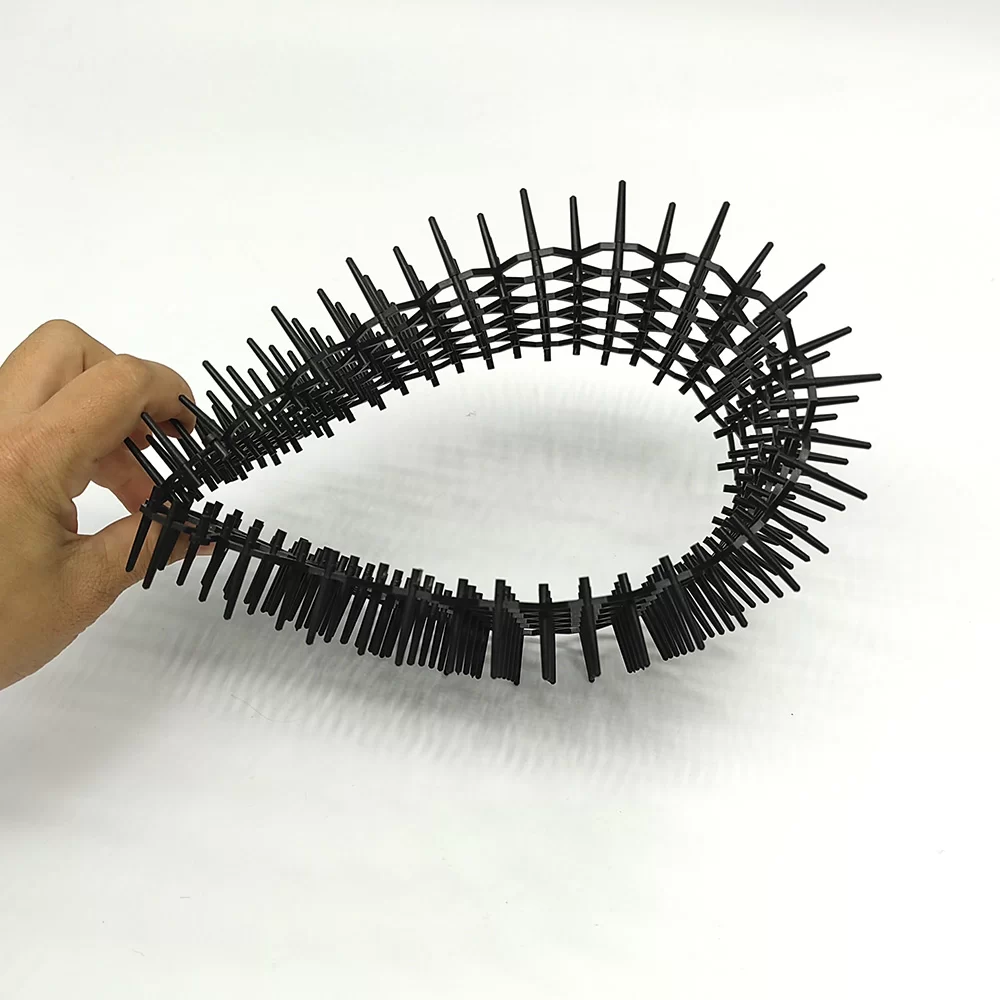
Put simply, bird mesh for solar panels cost refers to the total expense involved in purchasing and installing mesh netting or screens designed to deter birds from nesting or roosting beneath solar panels. These meshes are usually made from durable, UV-resistant materials tailored to withstand harsh outdoor conditions while still allowing airflow and water drainage.
Modern solar farms rely heavily on these systems, as bird droppings can reduce panel efficiency by up to 15%, while nesting debris can cause hotspots and even fires. Addressing these risks with mesh allows longer panel lifespan and fewer maintenance headaches.
Mini takeaway: Bird mesh cost isn’t just about upfront purchase—think installation, maintenance, and longevity all rolled together.
Core Factors Impacting Bird Mesh for Solar Panels Cost
1. Material Durability and Quality
Higher-grade materials resist UV degradation, weather extremes, and potential attacks by pests. For example, polyethylene or polypropylene meshes last longer but may cost more initially. Cheaper nets might need replacement within a few years.
2. Installation Complexity
The solar panel layout dictates installation time and expenses. Ground-mounted systems are easier compared to rooftop arrays where safety and accessibility matter. Labor rates also vary by country.
3. Mesh Size and Coverage Area
The finer the mesh, the higher the cost. Finer meshes keep smaller birds out but restrict airflow more, potentially affecting panel cooling. Large arrays require bulk materials, which may offer discounts but raise upfront budgets.
4. Maintenance & Longevity
Long-lasting mesh reduces replacement frequency, but some require occasional cleaning or repair after storms. Durable types may have higher initial costs but lower lifetime expenses.
5. Environmental and Wildlife Compliance
Local regulations can prescribe types of mesh or installation methods, especially in bird conservation zones. Complying with such rules can influence cost and design choices.
Key Product Specifications for Common Bird Mesh Types
| Specification |
Polyethylene Mesh |
Polypropylene Mesh |
Nylon Mesh |
| UV Resistance |
High (Approx. 5 years lifespan) |
Very High (6–7 years) |
Moderate (3–4 years) |
| Tensile Strength |
Medium |
High |
Low–Medium |
| Cost per m² (approx.) |
$1.50–$2.10 |
$2.00–$2.50 |
$1.20–$1.80 |
| Ease of Installation |
Medium |
Harder (due to stiffness) |
Easy |
Where Bird Mesh Finds Its Footing Globally
Around the world, solar farms big and small deploy bird mesh as a safeguard. In sunny California, solar developers routinely install mesh to protect against local pigeon infestations. In rural India, where large agrivoltaic projects are expanding, farmers use mesh netting to keep birds away from panels, maintaining both their crops and clean energy output.
Post-disaster zones in places like Puerto Rico have also adopted mesh solutions when quick solar system rebuilds clash with opportunistic bird species. Even remote mining operations in Australia rely on bird mesh to reduce panel cleaning frequency and maximize uptime for critical power systems.
Mini takeaway: Bird mesh isn’t one-size-fits-all; regional bird species, climate, and infrastructure around solar arrays shape practical choices and cost reasoning.
The Long-Term Value of Choosing the Right Bird Mesh
Sure, the upfront cost of installing bird mesh might make you hesitate. But when you factor in reduced cleaning costs, fewer repairs, and higher solar panel efficiency, the economic argument becomes compelling. Moreover, investing in durable, environment-friendly bird mesh solutions signals a commitment to sustainability and care for local ecosystems. That’s a powerful message for stakeholders and customers alike.
Emotionally, installing effective deterrents also reduces anxiety about damage or downtime, and that peace of mind can’t be undervalued. And the trust it builds—between solar operators, investors, and communities—is priceless.
Emerging Trends & Tech Shaping Bird Mesh Costs Into the Future
Materials science is advancing rapidly, bringing lightweight composites that last longer and resist fouling. Some companies are experimenting with photo-degradable mesh that breaks down harmlessly after 7–10 years, minimizing waste.
Digital innovation is popping up too — imagine integrating sensors in mesh to detect bird activity or damage and send alerts. Automation in installation and modular mesh panels tailored precisely to solar arrays help reduce cost and labor.
In addition, sustainability trends push manufacturers to use recycled plastics or bio-based polymers, slightly nudging prices but improving carbon footprint. Policy-wise, tighter wildlife conservation laws may increase demand for compliant mesh solutions, influencing cost structures globally.
Overcoming Common Challenges With Bird Mesh Implementation
Some challenges with bird mesh include balancing mesh density against airflow and cooling, preventing mesh sagging or damage, and ensuring compliance with diverse environmental regulations. I noticed many installers emphasize the importance of professional installation to avoid loose spots where birds sneak in.
Experts also suggest routine inspections and cleaning—yes, even with mesh—to keep everything in top shape. There are innovative coatings that repel dirt and bird droppings, and companies exploring hybrid mesh systems that combine physical barriers with ultrasonic bird deterrents.
Mini takeaway: The perfect bird mesh system is as much about design and maintenance as it is about cost.
Vendor Comparison: Which Bird Mesh Supplier Comes Out on Top?
| Vendor |
Price Range (per m²) |
Material Type |
Warranty |
Installation Services |
| SolarGuard Mesh Solutions |
$1.90–$2.30 |
Polypropylene |
5 years |
Full service available |
| EcoBird Mesh Co. |
$1.40–$1.80 |
Polyethylene |
3 years |
DIY kits only |
| AvianShield |
$2.50–$3.00 |
Nylon |
2 years |
Consultation available |
Frequently Asked Questions About Bird Mesh for Solar Panels Cost
1. How much does bird mesh installation typically add to a solar project budget?
Costs vary widely depending on mesh type, area covered, and installation complexity. Roughly, bird mesh materials can range between $1.20 and $3 per m², with labor possibly doubling that figure. However, this investment often saves money by reducing panel damage and cleaning frequency in the long run.
2. Are there environmentally friendly options for bird mesh?
Yes, many manufacturers now offer meshes made from recycled plastics or biodegradable polymers. These options might cost a bit more upfront but reduce environmental impact substantially and often comply with stricter regulations.
3. Can bird mesh affect the solar panel’s performance by blocking airflow?
Mesh design balances allowing sufficient airflow while blocking birds. Finer mesh might slightly impact cooling but typically not enough to offset the benefits of preventing bird-related dirt and damage.
4. What maintenance is required for bird mesh once installed?
Periodic inspections to check for tears, accumulated debris, or sagging are recommended. Some meshes benefit from cleaning to prevent fouling, especially in dusty or pollen-prone environments.
5. Do regulations impact the choice of bird mesh for solar panels?
Environmental and wildlife protection laws in some regions require compliance with specific materials or installation methods to avoid harming local bird populations. Always check local rules before selecting a product.
Wrapping Up: Why Paying Attention to Bird Mesh Costs Makes Sense
In the bigger scheme of sustainable energy, investing smartly in bird mesh for solar panels is a no-brainer. It protects both your equipment and the environment, ensuring reliable clean energy for years to come. Tough to imagine now, but a well-chosen mesh becomes nearly invisible—except in how well it safeguards your solar portfolio.
If you’re looking to learn more or need tailored solutions, feel free to visit our website for expert advice and product details.
References:
- International Energy Agency, Renewables 2023 Report
- Global Solar Council
- Wikipedia: Photovoltaics