Why Polycarbonate Anti Bird Spikes Matter in Today's World
Ever noticed those spiky strips along ledges, balconies, or rooftops? They might look like a bit of a nuisance, but polycarbonate anti bird spikes are a surprisingly clever solution against a very real global urban challenge: bird infestations. Cities everywhere face problems with droppings, disease transmission, and infrastructure damage caused by birds, especially pigeons. With increasing urbanization — nearly 55% of the world's population now living in cities (United Nations 2018) — these problems are multiplying, making effective bird control more important than ever.
Understanding polycarbonate anti bird spikes isn’t just about pest control; it’s about preserving urban cleanliness, protecting property, and maintaining public health. Their lightweight, durable nature offers a humane and permanent deterrence, which makes them a terrific choice from both industrial and humanitarian perspectives.
Mini takeaway: As cities grow denser, polycarbonate-based bird deterrents become crucial tools for sustainable, non-lethal bird control.
The Global Context: Tackling Bird Infestation One Spike at a Time
Bird populations, especially in metropolitan areas, have surged in recent decades. According to the ISO Environmental Management standards, managing urban wildlife like birds is essential for maintaining a city's environmental quality. Bird droppings can corrode buildings, pipelines, and public transportation systems, costing billions annually worldwide.
What’s tricky is finding a balance between effective solutions and humane treatment. This is where polycarbonate anti bird spikes shine. Unlike heavy metal spikes, these are lightweight, durable, and more resistant to weathering — crucial for global applications where climate and conditions vary. For instance, in wet coastal cities or blisteringly hot inland zones, polycarbonate's weather-resistant properties are proven.
Still, many cities and industries grapple with costly bird damages each year. The stakes are high: structural damage, hygiene risks, and declining aesthetic appeal can escalate project maintenance budgets quite suddenly.
Mini takeaway: Polycarbonate anti bird spikes offer a globally adaptable method to reduce costly bird-related damages across climates and infrastructure types.
What Exactly Are Polycarbonate Anti Bird Spikes?
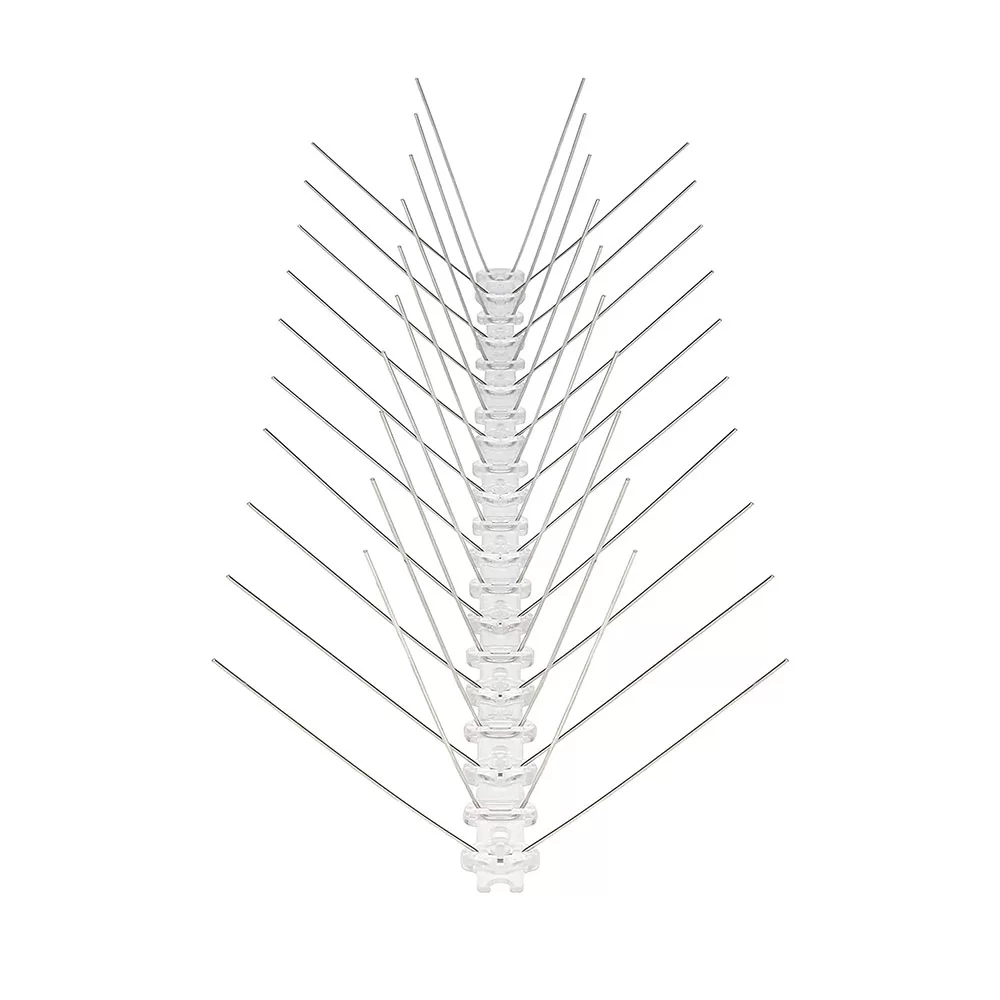
In plain terms, polycarbonate anti bird spikes are strips lined with tough, transparent spikes made from polycarbonate — a super-strong, clear plastic. The spikes are mounted on a flexible base, usually plastic or metal, which can be attached to ledges, roofs, or signs to discourage birds from landing.
The key here is the material: polycarbonate stands up well to UV light, extreme temperatures, and physical wear better than acrylic or basic plastics. In industries ranging from transportation hubs to warehouses, and even public monuments, these spikes serve as a non-lethal yet effective way to protect structures.
They aren’t about harming the birds physically; instead, they create an unwelcoming physical barrier — safe yet resolute. I’ve always found this balance quite vital, especially when urban wildlife management raises ethical eyebrows.
Mini takeaway: Polycarbonate spikes combine strength and subtlety, creating humane, invisible barriers that urban planners and engineers appreciate.
Main Features Driving the Popularity of Polycarbonate Bird Spikes
Durability
Polycarbonate is known for its impact resistance — roughly 200 times stronger than glass. This makes the spikes extremely durable against vandalism, high winds, and bird attacks themselves. Many engineers I've chatted with swear by their nearly decade-long lifespan outdoors.
Transparency & Aesthetic Appeal
Unlike metal spikes which look menacing, the near-clear polycarbonate integrates seamlessly into building aesthetics. This is a big deal for preserving architectural integrity — especially near historical sites or high-design buildings.
Weather Resistance
Polycarbonate doesn’t corrode or warp in extreme weather. Whether snow, UV exposure, or coastal salt air, these spikes keep their shape and effectiveness. That makes them excellent for varied global climates.
Ease of Installation
Most polycarbonate anti bird spikes come as modular strips, simple to mount with adhesive or screws. This modularity affects scalability, a big win when dealing with large surface areas in industrial facilities.
Cost Efficiency
While the upfront cost might be slightly higher than PVC alternatives, their lifespan and low maintenance needs offer solid ROI. Over a 5-10 year horizon, many facilities find lifetime expense notably lower.
Mini takeaway: Polycarbonate spikes stand out due to durability, low visual impact, and cost-effectiveness for long-term bird management.
Practical Applications Around the World
From New York’s subway platforms to London’s historic museums, polycarbonate anti bird spikes have become a staple. Airports rely on them heavily to protect runways and terminals from bird strikes, a serious safety hazard. Industrial sites, especially warehouses and petrochemical plants, use these spikes as part of their hygiene and safety protocols — bird droppings increase slip hazards and contaminate stored goods.
In emerging economies, where infrastructure is rapidly expanding, these anti bird spikes are often incorporated into new builds for cost-effective bird deterrence. NGOs working in post-disaster urban recovery have even used them to prevent nesting on temporary shelters, reducing sanitation issues.
| Specification |
Details |
| Material |
UV Stabilized Polycarbonate |
| Spike Length |
45 mm (approx. 1.75 inches) |
| Spike Count per Meter |
Between 40 and 50 spikes |
| Base Width |
100 mm (4 inches) |
| Temperature Resistance |
-40°C to 120°C (-40°F to 248°F) |
| Installation Method |
Adhesive tape & screws |
Mini takeaway: Globally versatile and well-suited from historical sites to industrial complexes, polycarbonate spikes adapt to many environments and industries.
Advantages of Choosing Polycarbonate Anti Bird Spikes
- Sustainability: Long lifespan reduces waste and replacements.
- Cost Savings: Low maintenance plus reduced damage repair expenses.
- Safety: Reduces bird-related slip hazards and disease risks.
- Non-lethal: Humane deterrence builds goodwill among wildlife advocates.
- Customization: Flexible bases allow fitting odd shapes, essential for unique architecture.
I’ve noticed clients especially appreciate the low visual profile, which helps keep buildings looking sharp. That, paired with reliable bird control, means fewer complaints from tenants and neighbors—a less tangible but valuable advantage.
Looking Ahead: Innovations and Trends in Anti Bird Spike Technology
While polycarbonate spikes are a mature technology, developments continue. For one, advances in biodegradable composites may soon offer eco-friendly versions that break down after service life without microplastics. Digital integration is also on the horizon — sensors embedded near spikes that alert when birds attempt to nest, triggering automated deterrents.
Furthermore, with rising sustainability mandates (think: green building certifications), anti bird spikes are being designed to align with broader environmental policies, ensuring full compliance and green credentials.
Common Challenges & How Industry Experts Address Them
Despite their many benefits, there are challenges. Installation can be tricky on uneven or delicate surfaces; adhesives may fail under extreme weather. Birds sometimes adapt by finding small gaps if spikes are poorly spaced.
Experts recommend thorough site surveys to customize spike layouts and suggest combining spikes with other deterrents like ultrasonic devices to enhance effectiveness. Newer mounting systems with stronger adhesives and corrosion-resistant fasteners also help reduce failures.
Frequently Asked Questions About Polycarbonate Anti Bird Spikes
- How long do polycarbonate anti bird spikes usually last outdoors?
- Typically, they maintain effectiveness for 8 to 12 years due to UV stabilization and weather resistance, though this varies by environment.
- Are polycarbonate bird spikes safe for all bird species?
- Yes, they’re designed to deter birds without causing injury, providing a humane way to protect properties.
- Can these spikes be installed on uneven surfaces?
- Installation on irregular surfaces requires flexible bases or segmented strips; professionals often tailor solutions to fit challenging areas.
- Do polycarbonate spikes require regular maintenance?
- Minimal maintenance is needed — occasional cleaning to remove debris typically suffices for peak performance.
- Is the transparency of polycarbonate spikes affected by weather over time?
- High-quality polycarbonate resists yellowing and remains mostly transparent for years, preserving aesthetics.
Wrapping Up: Why Polycarbonate Anti Bird Spikes Are a Smart Investment
If you’re looking for a long-term, effective, and humane method of bird control, polycarbonate anti bird spikes check almost every box. Their versatility, durability, and subtle appearance mean urban planners, engineers, and building managers can rest easy — fewer bird problems, less maintenance, and a cleaner environment.
Visit our website at https://www.hbarcherfish.com to explore a range of solutions tailored for your specific applications.
| Vendor |
Material Quality |
Price Range (per meter) |
Installation Ease |
Warranty |
| HB Archer Fish |
Premium UV-stabilized polycarbonate |
$15 - $20 |
User-Friendly, modular strips |
10 years |
| SafeNest Solutions |
Standard-grade polycarbonate |
$12 - $18 |
Moderate, needs professional fit |
7 years |
| EcoBird Defense |
Biodegradable polymer blend |
$20 - $25 |
Easy with adhesive kits |
5 years |
In the end, it's a mix of material science, installation know-how, and urban needs that gives rise to such solutions. And frankly, it feels like polycarbonate spikes are part of a quietly effective revolution in city maintenance and humane bird control.
References
- United Nations: World Urbanization Prospects
- Wikipedia: Polycarbonate
- ISO Environmental Management Standards