Understanding How to Stop Birds Getting Caught in Netting: A Global Concern
If you’ve ever wandered near an agricultural farm or a fishery, you might have noticed bird netting stretched overhead or along fences. It’s meant to protect crops or fish, but oddly enough, it sometimes ends up trapping the very creatures it’s supposed to deter. Learning how to stop birds getting caught in netting isn’t just about bird lovers wanting to save wildlife. It’s a pressing, global issue with ecological, economic, and ethical implications.
Why does it matter? Because birds play vital roles in ecosystems—as pollinators, pest controllers, and even navigators in some cultural beliefs. When they get caught in nets, it disrupts these natural balances, leading to unintended harm. Plus, for farmers, this can mean fines or sanctions from wildlife authorities, not to mention the unpleasant mess and the negative PR.
Introduction: Why the World Is Paying Attention to Bird-Safe Netting
Worldwide, it's estimated by organizations like the UN Environment Programme that millions of birds perish or suffer from entanglement annually. Globally, agriculture covers roughly 38% of terrestrial land (FAO, 2022), and many crops rely on netting as a preventive measure. Yet, concerns about wildlife safety and biodiversity heighten the need for smarter, bird-friendly solutions.
Beyond farms, fisheries and infrastructure such as solar farms and airports also use bird deterrents. But the key challenge remains: netting must be effective but not harmful. So how do we reconcile protective needs with environmental responsibility?
What Does It Mean to Stop Birds Getting Caught in Netting?
In simple terms, it involves strategies and designs to prevent birds from becoming unintentionally trapped in protective mesh or nets. This can include physical adjustments, better materials, or alternate methods altogether. It isn’t just about avoiding casualties; it’s about preserving ecosystems and aligning with modern ethical standards in industries that rely on netting.
Think of it as the balance between human use of natural spaces and conservation—a real tightrope walk, but one increasingly prioritized by corporations and policymakers alike.
Core Components to Consider
1. Netting Material & Design
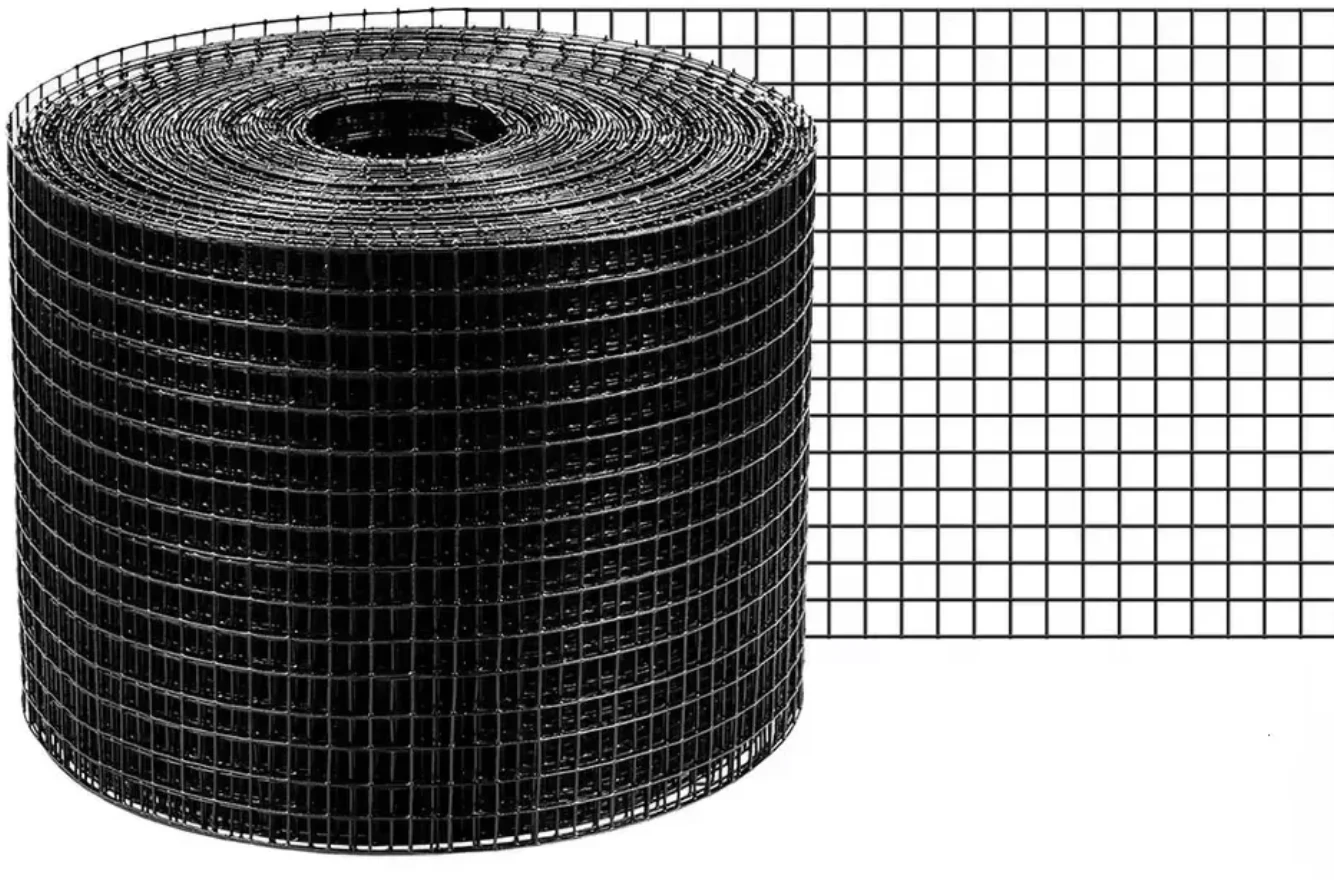
The choice of netting material largely determines how safe it is for birds. Soft, knotless nets reduce the risk of entanglement. Larger mesh sizes can allow bigger birds to avoid getting trapped but may reduce efficiency for pest control. Manufacturers often balance these traits carefully.
2. Durability & Environmental Resistance
In real terms, a net that degrades quickly might leave dangerous fragments or gaps that confuse birds or animals. UV-resistant and weather-proof materials usually last longer and maintain safety standards throughout seasons, especially in harsh climates.
3. Installation & Monitoring Practices
A well-installed net can reduce loose areas where birds get caught. Regular inspections can identify problem spots and ensure quick repairs. Oddly enough, even the best net can become hazardous if sagging or torn.
4. Alternative Deterrent Technologies
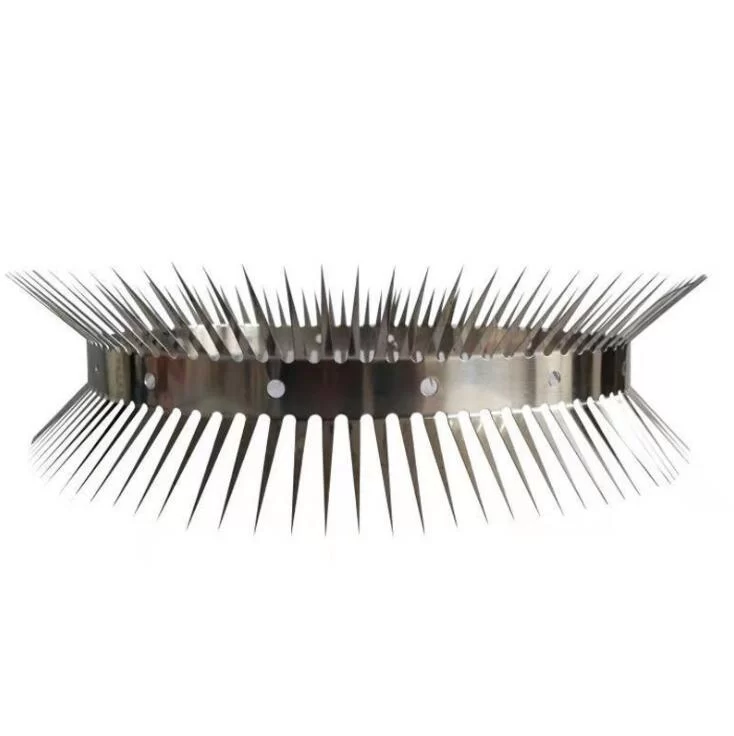
Sometimes, the best way to stop birds from getting trapped is to rethink deterrents altogether. Options include ultrasonic devices, visual scare tactics, or integrating habitat-friendly buffers. These offer promise in reducing net use or complementing safety.
5. Regulatory Compliance and Wildlife Considerations
Countries with strong wildlife protection laws require certain netting standards or ban harmful types outright. For companies operating globally, understanding these rules becomes critical for ethical and legal reasons.
Mini Takeaway:
Simply put, stopping birds from being caught in netting isn’t one-size-fits-all. It demands a thoughtful combination of materials, installation, monitoring, and innovation that respects both human needs and wildlife.
Real-World Examples and Applications Across the Globe
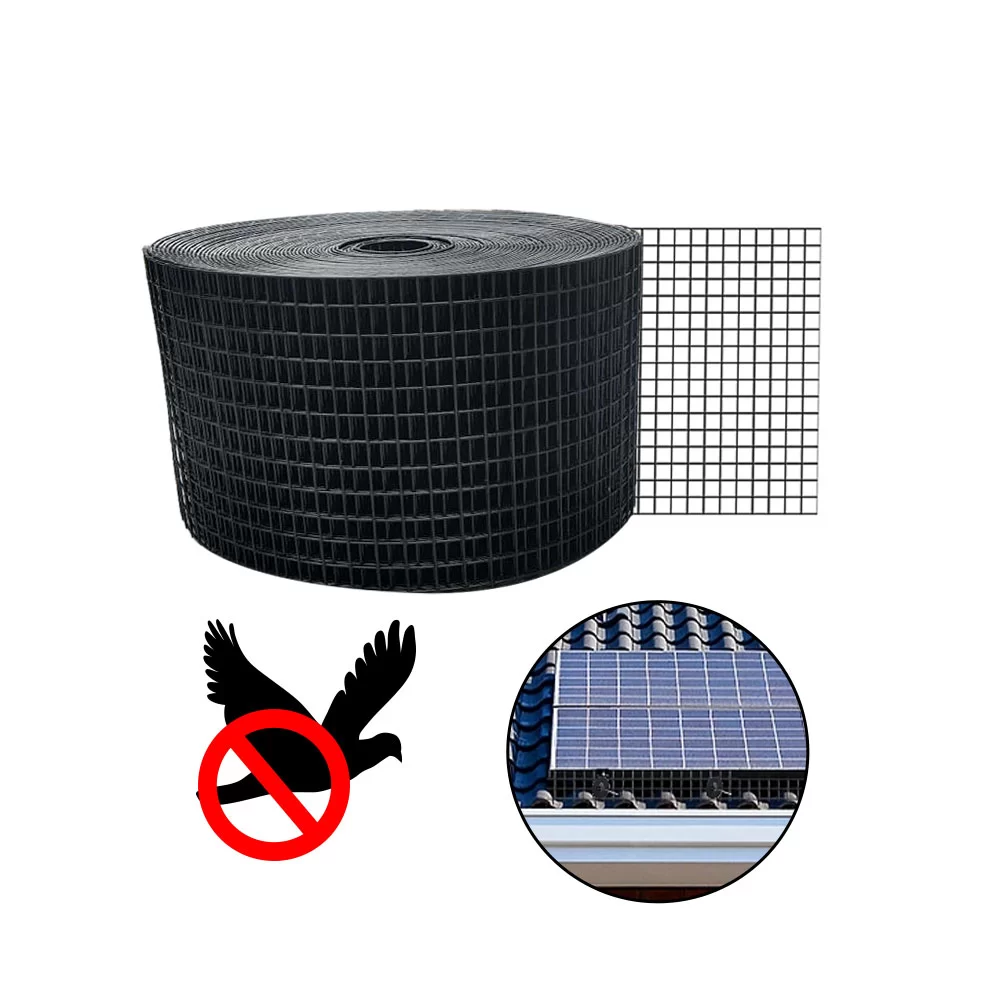
In southern Europe, where vineyards are prime targets for birds like starlings, farmers have switched to knotless, flexible nylon nets that reduce casualties dramatically. Meanwhile, in Southeast Asia, fish farms use elevated netting combined with visual deterrents to keep herons and egrets safe. Solar farms in North America take this further by incorporating bird-friendly designs to minimize risk, sometimes adapting shade netting that birds tend to avoid.
Even urban environments are joining the conversation. Airports in Australia often face the tricky challenge of keeping birds away without harm—leading them to adopt light-reflective tapes and softer netting in breeding hotspots.
Advantages and Long-Term Value of Effective Bird-Safe Netting
- Cost Efficiency: Minimizing bird injury reduces cleanup, replacements, and potential fines from wildlife agencies.
- Sustainability: Choosing biodegradable or recyclable nets cuts environmental footprint.
- Reputation & Compliance: Brands gain goodwill and regulatory leeway by adopting bird-safe practices.
- Ecological Balance: Protects bird populations crucial to ecosystems.
- Ethical Leadership: Shows commitment to humane treatment and biodiversity preservation.
There’s an emotional element, too—it's far more satisfying to know your harvest isn’t costing lives or harming the environment. Many farmers say it makes their work feel “right” in a way money can’t buy.
Future Trends and Innovations You Should Know About
The future is promising. Emerging materials that combine strength with flexibility, embedded sensors to detect net damage, and AI-powered bird deterrent systems are all gaining traction. A recent push toward circular economy principles means nets will be made from recycled plastics or bio-based polymers.
Meanwhile, policy shifts inspired by ISO standards on animal welfare in agriculture mean stricter enforcement and guidance, pushing industries toward safer solutions faster than you might expect.
Common Challenges & How Experts Recommend Overcoming Them
The biggest problem? Cost and adoption. Some farmers hesitate to switch from cheap, traditional nets—even if they’re harmful. Durability issues and installation errors can also negate safety benefits.
Experts recommend:
- Offering subsidized programs or education to ease the transition.
- Developing modular net systems that are easier and cheaper to install right.
- Partnering with local conservation NGOs to monitor impacts and provide feedback loops.
FAQ: Answers to Your Common Questions About How to Stop Birds Getting Caught in Netting
Q1: What type of netting is safest to prevent bird entanglement?
A: Knotless, soft nylon nets with larger mesh size tend to reduce the risk the most. They're less likely to snag feathers or limbs, but sizing depends on the bird species and purpose.
Q2: How often should bird netting be checked or replaced?
A: Ideally, inspections should happen monthly during heavy bird activity, with replacements every 2-3 years or as soon as damage is detected to prevent dangerous entrapment zones.
Q3: Are there alternative methods to netting that still protect crops?
A: Yes—visual scare devices, auditory deterrents, planting bird-attractive cover crops away from main fields, and even trained raptors are all effective alternatives or supplements.
Q4: Can solar farms really reduce bird netting risks?
A: Absolutely. Some solar farms use angled, smooth surfaces and reflective materials that birds find uninviting, reducing netting needs and resulting in greater bird safety.
Product Specifications of Bird-Safe Netting Solutions
| Feature |
Specification |
| Material |
Knotless Nylon or Polyethylene |
| Mesh Size |
20-50 mm depending on bird species |
| UV Resistance |
5+ years (weatherproof coating) |
| Tensile Strength |
40-60 MPa |
| Weight |
200-350 g/m² |
| Color Options |
Black, Green, Transparent |
Vendor Comparison for Bird-Safe Netting Products
| Vendor |
Material Quality |
Price per m² |
UV Warranty |
Customer Support |
| EcoSafe Nets Co. |
Premium knotless nylon |
$3.50 |
7 years |
24/7 expert consultation |
| GreenField Nets |
Polyethylene with UV coating |
$2.80 |
5 years |
Business hours support |
| BirdGuard Solutions |
Mixed synthetic blends |
$2.95 |
6 years |
Regional account managers |
Wrapping It Up: Why Investing in Bird-Safe Netting Matters
When you think about it, the answer to how to stop birds getting caught in netting packs more than just protective flair; it brings together ethics, economics, and ecology. It’s a win-win for farmers, wildlife, and the future of sustainable practices. Technologies and materials are evolving, and awareness is rising — meaning now is an excellent time to reassess or upgrade your protective nets to smarter, safer versions.
Want to dive deeper? You can learn more about how to stop birds getting caught in netting and explore cutting-edge products and ideas on our website.
Some final food for thought: when human innovation truly respects the natural world, it’s a step toward harmony that benefits everyone — even the birds.
References
- UN Environment Programme (UNEP)
- Food and Agriculture Organization (FAO)
- Wikipedia: Bird Conservation