Understanding Bird Net Price: Why It Matters Globally
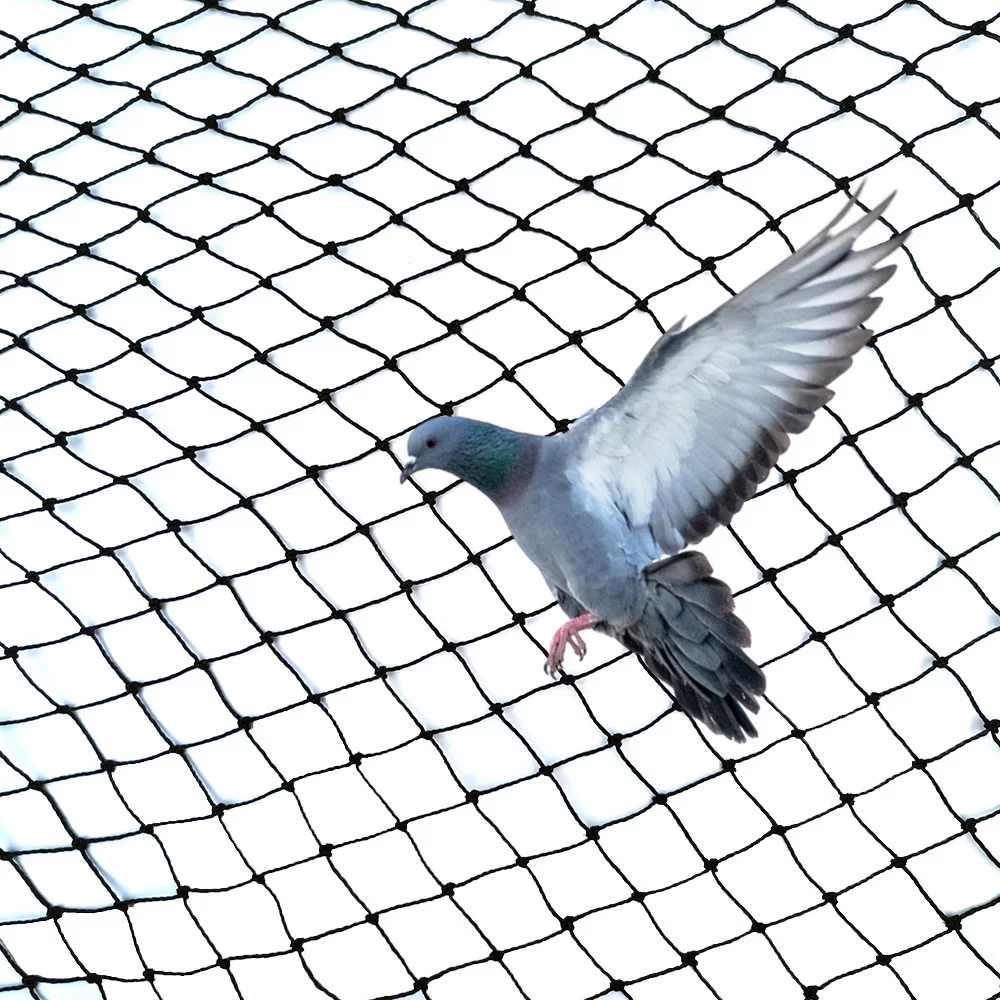
When you hear the term bird net price, it might sound niche — and well, it kind of is. But if you work in agriculture, construction, or even wildlife conservation, this little phrase takes on much bigger significance. The cost associated with bird netting affects everything from how farmers protect their crops to how developers safeguard their sites. Getting a grip on bird net price isn’t just about dollars; it’s about sustainable solutions for a global challenge: managing bird interference safely and economically.
Globally, billions of dollars are lost annually due to bird-related damages — the Food and Agriculture Organization of the United Nations (FAO) estimates several percent losses in crop yields alone because of birds. So, the price of bird netting plays a crucial role in balancing cost against effective protection — a puzzle industries worldwide are all trying to solve.
Mini takeaway: Bird net price isn't just about the upfront cost. It carries global significance affecting food security, economic loss prevention, and environmental stewardship.
The Global Context: Why Bird Net Price Is More Relevant Than Ever
With the global population topping 8 billion and urban expansion encroaching on natural habitats, bird-human conflicts are rising. According to recent UNESCO reports, bird damage impacts are forcing governments and corporations to rethink urban planning and agricultural practices.
In regions ranging from the rice fields of Southeast Asia to orchards in the Mediterranean, bird netting is an essential defensive tool. But here’s the rub: the price of these nets varies wildly depending on material, durability, and supplier. Since many smallholder farmers operate on razor-thin margins, the bird net price can literally be the difference between a successful harvest or a total loss, especially in vulnerable economies.
Raising the Challenge
It’s simple to want the most effective bird netting — something tough, long-lasting, and easy to install. Yet, those desirable features bump up the price. So how do industries balance quality with affordability? This ongoing challenge is what makes understanding and comparing bird net price so critical.
What Exactly is Bird Net Price?
In layman’s terms, the bird net price refers to the cost per unit area (usually per square meter or foot) to purchase bird netting material. This cost encompasses manufacturing, materials (usually nylon, polyethylene, or polypropylene), design complexity, and sometimes installation services. But beyond a number on a tag, it reflects the product's features — like UV resistance, mesh size, and tensile strength — that affect performance and longevity.
Think of it like this: the bird net price is your starting point in a trade-off between price and protection. It’s a vital metric for anyone investing in crop safety, construction site protection, or even in urban bird control programs.
Mini takeaway: Bird net price is more than a cost — it’s an indicator of quality, durability, and suitability for specific environmental or industrial needs.
Key Factors Influencing Bird Net Price
1. Durability and Material Quality
The most obvious factor — materials used hugely sway pricing. UV-stabilized polyethylene or polypropylene nets last longer under harsh sun exposure, which is a must in many farming regions. Nylon nets might be cheaper but degrade faster, so the upfront savings can be misleading.
2. Mesh Size and Design
Smaller mesh sizes block out smaller birds but require more material and finer weaving, driving costs up. Larger meshes are less pricey but won’t protect against all bird species equally.
3. Scalability and Customization
Bulk orders often mean better per-unit prices, but custom-shaped nets for greenhouses or construction sites may cost more due to tailored manufacturing. Customization adds a premium but can save money long-term by reducing waste and installation time.
4. Installation and Maintenance Considerations
Some vendors include installation, which bumps the price but simplifies project management. Maintenance longevity also affects overall costs; durable nets with anti-corrosive coatings might be pricier but last several seasons.
5. Environmental and Regulatory Compliance
Eco-friendly or certified bird nets meeting ISO or local environmental standards often come at a premium, but these are increasingly preferred in international markets.
| Specification |
Typical Range |
Notes |
| Material |
Polyethylene, Nylon, Polypropylene |
Durability varies; polyethylene preferred outdoors |
| Mesh size |
5mm to 50mm |
Smaller mesh means higher price |
| Thickness |
0.5 mm to 1.5 mm |
Thicker nets resist wear better |
| Price per sqm |
$0.5 to $3.0 |
Depends on quality and order size |
| UV Resistance |
3 to 5 years |
Longevity varies by treatment |
Real-World Applications: Bird Nets Around the Globe
Bird netting finds its way into a surprising variety of uses worldwide:
- Agriculture: Protecting fruit orchards in California, vineyards in Europe, and rice paddies in Asia from bird damage.
- Urban Infrastructure: Preventing birds from nesting on ledges and bridges, reducing health hazards.
- Industrial Facilities: Dust or debris control on construction sites that overlap with avian habitats.
- Conservation Projects: Used in sanctuaries to protect endangered plant species or delicate ecological zones from invasive bird species.
For instance, in the aftermath of floods in Bangladesh, bird netting helped safeguard emergency food stores from pest birds, proving its utility beyond the usual farm setting.
Mini takeaway: Bird net price influences accessibility worldwide, from tiny farms to sprawling conservation areas, shaping strategies for sustainable bird management.
Why Investing Wisely in Bird Nets Pays Off
Cost savings alone might tempt many to go with cheaper nets, but long-term, well-made nets provide:
- Reliability: Less frequent replacement reduces downtime and operational headaches.
- Sustainability: Eco-friendly materials minimize environmental damage and align with global green goals.
- Social Impact: Empowering farmers and communities to protect livelihoods with safe, humane bird deterrents.
- Innovation: New composites and installation tech make netting more adaptable and effective.
It’s a bit like buying a good raincoat — it might feel expensive upfront, but it’s much better and longer-lasting when the storm hits.
Emerging Trends in Bird Net Technology
The industry is moving fast with innovations like:
- Biodegradable Nets: Designed to reduce plastic waste, these nets break down naturally after a set period.
- Smart Netting: Integrating sensors to detect bird activity, automating deterrents or alerting managers remotely.
- Improved Manufacturing: Using recycled plastics and more energy-efficient processes to reduce overall costs and environmental footprints.
Experts say these trends will reshape bird net price dynamics by making premium features more affordable over time.
Challenges and Solutions When Considering Bird Net Price
One of the biggest hurdles? Counterfeits and substandard products flooding markets, tempting buyers with too-good-to-be-true prices. These can lead to quick failures and hidden costs. Additionally, installation complexity can deter smaller operations despite needing protection.
Solutions include rigorous supplier vetting, transparent pricing models, and adoption of international standards (ISO 9001 certifications are a good benchmark). Some NGOs provide training programs to speed up installation and maintenance — reducing total costs despite an initially higher bird net price.
| Vendor |
Price per sqm |
Material |
Warranty |
Installation Support |
| EcoGuard Nets |
$1.50 |
UV-treated Polyethylene |
5 years |
Yes (optional) |
| SafeNet Solutions |
$0.95 |
Nylon |
2 years |
No |
| BirdFree Tech |
$2.50 |
Bio-degradable Composite |
3 years |
Yes (included) |
FAQ: Frequently Asked Questions About Bird Net Price
- Q1: How can the price of bird netting vary so much between suppliers?
- The variation depends on materials used, net mesh size, manufacturing quality, and additional factors like UV resistance or warranties. Cheaper nets often compromise on durability, which can be costly in the long run.
- Q2: Are more expensive bird nets really worth the investment?
- Typically, yes. Higher upfront costs usually translate to better material quality, longer lifespan, and less frequent replacements — saving money and hassle over multiple seasons.
- Q3: Can bird netting be reused after seasonal use?
- Durable nets made from UV-treated polyethylene can often be reused for several seasons if properly maintained. Nylon nets degrade faster and might require replacement more frequently.
- Q4: Does installation service significantly affect the overall bird net price?
- Including professional installation adds upfront costs but reduces errors, ensures proper fit, and often enhances net performance and longevity.
- Q5: Are there environmentally friendly bird netting options?
- Yes, biodegradable and recyclable net options exist and usually come at a slightly higher price but align better with sustainability goals.
Final Thoughts: How Understanding Bird Net Price Better Serves You
In the end, the bird net price is a multifaceted figure. It tells a story — of materials, durability, applications, and innovation. For farmers, urban planners, and conservationists alike, nailing that price point means smarter investments and better protection for crops, property, and biodiversity.
If you want to dig deeper into options, pricing trends, or need tailored advice, feel free to check out the latest at our website where you’ll find comprehensive resources and real-world pricing insights.
References:
- Food and Agriculture Organization (FAO)
- Wikipedia: Bird Control
- International Organization for Standardization (ISO)