The Growing Importance of Anti Bird Net Suppliers in a World Facing Persistent Wildlife Challenges
Birds have always been a beautiful part of our environment, but when they invade urban spaces, farms, or sensitive industrial sites, problems pile up fast. That’s where anti bird net suppliers come in, offering essential solutions by providing materials and systems that keep birds away safely and sustainably. It might sound straightforward, but globally, the stakes here are high. The Food and Agriculture Organization (FAO) estimates that birds contribute to crop losses worth billions annually, not to mention damage to infrastructure and health hazards linked to droppings.
Understanding the role of these suppliers means more than just knowing where to buy a net—it’s about grasping a complex balance of ecology, economics, and innovation. Today, we’ll dive into what defines these suppliers, why their products matter worldwide, and how smarter purchasing and design decisions can avoid a host of headaches down the line.
Why Anti Bird Net Suppliers Are Vital on a Global Scale
Picture this: sprawling vineyards in Southern Europe, fruit orchards scattered across Asia, huge commercial warehouses in America — all vulnerable to bird interference. It’s not surprising that worldwide demand for anti bird nets has surged, driven by rising urbanization and sophisticated farming practices. According to a recent ISO report, pest management products—including netting solutions—have grown annually by around 7% globally, reflecting urgent needs in both agriculture and industry.
And the issue isn’t confined by borders. Crop losses due to bird activity often mean price hikes affecting consumers everywhere. On a more clinical level, bird droppings deposit pathogens causing contamination, posing risks not only environmentally but also to worker safety and public health.
By partnering with reliable anti bird net suppliers, industries worldwide can effectively tackle these challenges with tested, safe, and environmentally conscious materials.
Anti Bird Net Suppliers: What Are They Exactly?
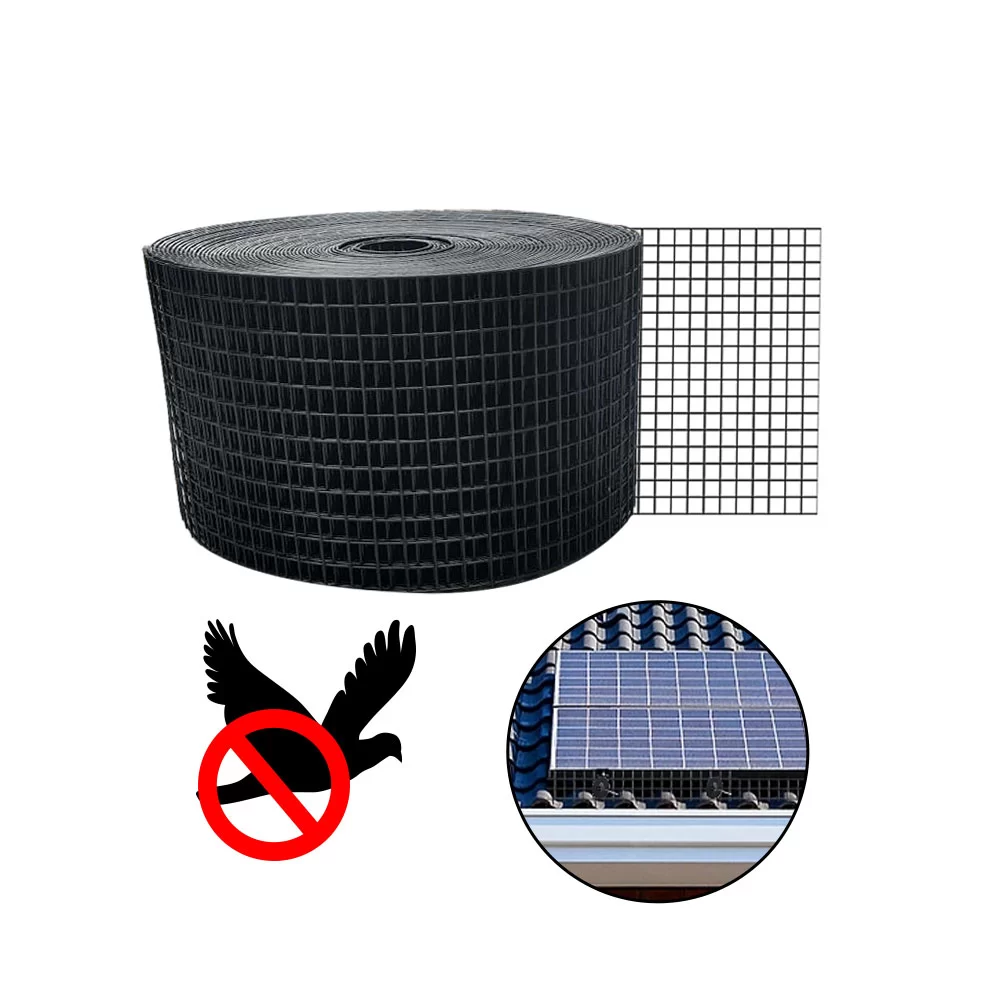
If you’re picturing a store selling green mesh that keeps birds off your balcony, you’re on the right track, but it’s way more detailed than that. Anti bird net suppliers are specialized manufacturers or distributors who provide a wide variety of netting products designed specifically to prevent bird access to targeted areas, ranging from fine mesh nets for delicate fruit crops to heavy-duty installation kits for industrial infrastructure.
They often work closely with engineers, environmentalists, and infrastructure planners to ensure their products meet industry standards—things like UV resistance, mesh size customization, and guaranteed durability for various environmental conditions.
Key Factors That Set Quality Anti Bird Nets Apart
Durability: Built to Last Under the Elements
Think about nets exposed to sun, wind, rain, and more for months or years on end. UV-stabilized polyethylene or polypropylene fibers are common because they resist deterioration much longer than generic plastics. If your net fails early, the birds don’t just return; your investment is wasted.
Mesh Size and Weave
It’s not one-size-fits-all. Crop type, bird species, and location all influence the required mesh size. Suppliers usually offer options ranging from ultra-fine micron-level meshes to larger grids meant to keep bigger birds out but allow airflow. The weave technique also affects strength and bird repellency.
Installation Flexibility and Support
Especially in large or industrial sites, the supplier’s ability to offer both product and guidance—and sometimes installation kits—can make or break a project. Some nets are designed for quick deployment in disaster zones, others for permanent infrastructure. Vendors that understand this complexity stand out.
Cost Efficiency Without Cutting Corners
Of course, price matters. But the cheapest nets can end up costing more in replacements or lost crops. Smart suppliers balance affordability with quality, and growing demand drives innovations that make durable nets more accessible.
Environmental Safety and Biodegradability
Interestingly, there’s increasing pressure for nets to be eco-friendly—both in production and disposal. Emerging suppliers are exploring biodegradable materials and production processes with lower carbon footprints.
Where Anti Bird Nets Make the Biggest Impact
Let’s be frank—if you live in a city or work on a farm, you’ve probably encountered sneaky birds messing with your goods or gear. But beyond street-level annoyance, these nets are fundamental in varied applications:
- Agriculture: Vineyards in Italy, paddy fields in Southeast Asia, orchards in California — all depend on nets to protect harvests.
- Food Processing Facilities: Any site where hygiene is paramount benefits from keeping birds away to avoid contamination.
- Public Infrastructure: Airports and stadiums typically install netting systems to prevent bird strikes that jeopardize safety.
- Disaster Relief: In post-flood or post-cyclone areas, temporary installations help protect food stocks and shelter units.
For example, a large poultry farm in Kenya partnered with a local anti bird net supplier to install nets around their feed storage — cutting losses by over 40% in just one season.
Product Specification Table: Typical Anti Bird Net Features
| Specification |
Value / Range |
Notes |
| Material |
Polyethylene UV stabilized |
Most common due to durability and cost |
| Mesh Size |
5mm to 25mm |
Varies by bird type and application |
| Tensile Strength |
Up to 80 N/mm² |
High strength for industrial use |
| Lifespan |
3–5 years (outdoor) |
Depends on exposure and maintenance |
| Color Options |
Black, Green, White |
Black most UV resistant; green blends with foliage |
How to Choose the Right Supplier? A Comparison Overview
The choice can get tricky. Many vendors offer overlapping features but differ in support, innovation, or scale. Here’s a quick vendor snapshot to help you navigate:
| Vendor |
Product Range |
Installation Support |
Eco-Conscious Options |
Global Reach |
| BirdGuard Inc. |
Extensive (agri + industrial) |
Full installation kits |
Partial (recycling focus) |
North America, Europe |
| EcoNet Solutions |
Moderate (mainly agri) |
Consultation only |
Strong (biodegradable nets) |
Global |
| SafeSkies Nets |
Specialized (aviation) |
Installation manuals |
Limited |
International |
Looking Forward: Innovation and Sustainability in Anti Bird Nets
The market keeps evolving. Technologies like photodegradable nets—designed to break down after a set period—promise to reduce environmental footprints dramatically. Some suppliers are exploring smart nets embedded with sensors to alert users if damaged or displaced, which sounds almost Sci-Fi but may be mainstream soon.
Digital platforms now let customers customize their orders with precision—like mesh size, color, and reinforcement levels—and track shipments globally, reflecting a wave of digital transformation sweeping the sector.
Challenges: What Buyers Need To Watch For
Despite all this progress, there’s no perfect solution.
- Installation errors can undermine product efficacy — some nets lose tension or tear because of improper fixing.
- Environmental conditions vary wildly; what works well in mild climates may degrade quickly under tropical sun or harsh winters.
- The price-quality balance remains tight especially in low-income regions, making access difficult.
Prime advice: work closely with suppliers who offer strong technical support and field-tested samples. A proactive approach usually pays off more in the medium term.
Quick FAQ About Anti Bird Net Suppliers
What should I look for when choosing an anti bird net for a vineyard?
The mesh needs to be fine enough to exclude small birds like sparrows but still allow air through. UV resistance is crucial due to sun exposure. Also, pick a supplier who offers installation support or guidance—vineyards can be tricky terrain for netting.
Are anti bird nets reusable, or do they degrade quickly?
Good quality nets typically last 3–5 years outdoors, depending on weather and maintenance. They're reusable if stored properly off-season. Biodegradable ones break down sooner, so consider your priorities when purchasing.
Can I install anti bird nets myself, or do I need experts?
Simple home or small farm setups might be DIY-friendly. However, large-scale or industrial sites benefit greatly from professional installation due to technical challenges ensuring proper tension and fixation.
Are these nets harmful to birds?
No, high-quality anti bird nets are designed to exclude birds without harming them. Entrapment or injury is avoided through mesh size and material choice.
Do suppliers provide custom solutions for unique environments?
Yes, many suppliers offer customization for mesh size, color, and strength tailored to pest species and environment. Talk to them about your specific needs early on.
Wrapping Up: Why Choosing the Right Anti Bird Net Supplier Matters
In the end, picking the right anti bird net suppliers is about more than just buying a product. It’s an investment in protecting resources, ensuring safety, and promoting sustainability across industries and communities worldwide. With emerging materials, smarter tech, and growing global demand, these suppliers aren’t just vendors — they’re partners in overcoming one of the underappreciated, yet persistent challenges of modern life.
So if you’re considering a netting solution, do your homework, seek expert advice, and remember — a thoughtfully chosen net can save you a lot of future headaches. For trusted partners and product options, visit anti bird net suppliers to explore more.
References & Further Reading
- Pest Control – Wikipedia
- FAO Reports on Agricultural Losses
- ISO Standards on Pest Management Products
FAQ Summary
- Mesh size, durability, and UV resistance are big buying factors.
- Professional installation is advisable for large or industrial sites.
- Many nets are reusable and bird-safe when sourced properly.