Understanding Bird Netting: Its Global Importance and Benefits
Bird netting might seem like a simple product, but its impact is enormous when you step back and look at the bigger picture. Essentially, bird netting is a barrier system designed to keep birds out of specific areas — whether you're protecting crops, buildings, fish farms, or even heritage monuments. Given that birds can cause both economic damage and health issues, understanding bird netting and its practical applications is vital worldwide.
Globally, agriculture alone loses billions every year due to pest birds. Then add the hygiene and safety concerns in urban and industrial settings, and it’s clear this isn’t just about keeping your garden tidy. Bird netting offers a humane and effective solution that balances environmental respect and operational needs. Plus, as awareness grows around sustainability, people are looking for ways to protect biodiversity without harsh chemicals or lethal methods. Netting fits neatly into that niche.
Mini takeaway: Bird netting is more than just a physical barrier — it’s a globally relevant tool that intertwines economic, environmental, and social factors.
The Global Context: Why Bird Netting Matters
Did you know that as much as one-third of global food production is lost to pests and animals, including birds? According to FAO data, protecting crops is among the most critical agricultural challenges. Bird netting addresses this directly.
But it’s not just agriculture. Urban areas struggle with bird-related damage to infrastructure and the health risks posed by droppings, which can carry pathogens. Globally, airports also use bird netting and related deterrents to minimize bird strikes, which pose safety hazards and can cost millions in repairs annually.
With rapid urbanization and climate change affecting bird migratory patterns, the demand for innovative, efficient bird control solutions is growing everywhere — from the Americas to Southeast Asia. Without proper control methods, economic and health consequences could spiral.
Mini takeaway: Bird netting isn’t confined to one sector — it’s a global, cross-industry safeguard responding to rising economic and safety challenges.
What Is Bird Netting Exactly?
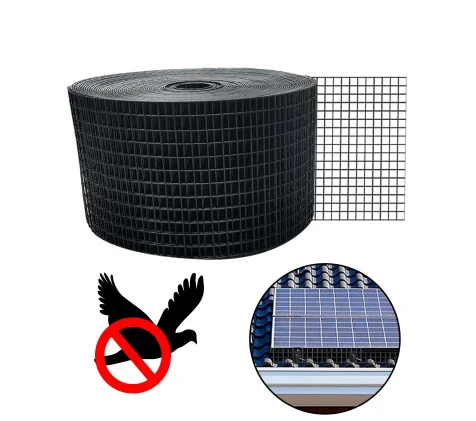
Simply put, bird netting consists of tough, mesh-like material installed over or around spaces you want to keep bird-free. The netting is usually made from polyethylene, nylon, or polypropylene — materials chosen for durability and a balance of flexibility and strength.
Think of it as a respectful boundary. It doesn’t harm birds; it just discourages them from entering or roosting in sensitive areas. This has both humanitarian and commercial appeal. For instance, many farmers prefer bird netting over poisons or traps as it prevents issues without causing bird fatalities, aligning with modern sustainability goals.
Mini takeaway: Bird netting is a simple but high-impact product that balances effectiveness with ethical bird control.
Key Characteristics That Make Bird Netting So Practical
1. Durability
Bird netting has to stand up to sun, wind, rain, and sometimes snow, all while staying intact for years. UV resistance, rot-proof materials, and robust weave patterns ensure longevity — essential for both cost efficiency and reliability.
2. Scalability
Whether it’s a small garden, a sprawling vineyard, or an airport runway, bird netting comes in multiple sizes and thicknesses. Large panels can be custom-made, shipped, and installed on industrial scales, while smaller nets suit home gardens.
3. Cost-Effectiveness
Compared to repeat crop losses or constant cleaning and repairs, bird netting offers impressive ROI. Installation costs vary, but many users report significant savings long-term.
4. Eco-Friendliness
Bird netting is chemical-free and can be recycled or reused, depending on the type. It supports biodiversity by being non-lethal and allows coexistence rather than eradication.
5. Ease of Installation
Modern netting can be affixed using hooks, cables, or frames, often without professional help. Modular design means sections can be replaced or adjusted as needs change.
6. Transparency/Visibility
Mesh sizes and color options help balance bird prevention and visual impact. Some nets are near invisible to humans but effective barriers to birds.
Mini takeaway: These characteristics ensure bird netting fits diverse environments and needs, making it a go-to solution across sectors.
Bird Netting in Action: Real-Life Examples
In Mediterranean vineyards, where starlings have been known to wipe out entire harvests, farmers wrap their vines in bird netting to shield their investment. It's a seasonal use but crucial for survival.
On the other side of the world, large fish farms in Chile deploy specialized bird netting overhead to keep seagulls at bay — protecting fish stocks without harming the birds, important for local ecosystem balance.
Major airports in the US and Europe combine netting with auditory deterrents near runways. The netting physically blocks common strike species from landing on critical areas.
I also read about an NGO in South Asia using bird netting to protect community grain stores post-disaster, ensuring food security while avoiding toxic bird control methods.
Mini takeaway: From agriculture to infrastructure and humanitarian aid, bird netting’s versatility is on full display globally.
The Advantages and Long-Term Value of Bird Netting
- Cost savings: Less damage and fewer replacements lead to more predictable budgets.
- Environmental responsibility: Non-lethal, reusable, supporting biodiversity.
- Safety and health: Reduces bird droppings and disease transmission risks in urban zones.
- Innovation and trust: Wide adoption builds confidence in sustainable bird control.
Emotionally, knowing your crops or property is protected without harming animals gives a sense of doing the right thing — which can’t always be quantified but is hugely important.
Mini takeaway: The blend of practical and intangible benefits makes bird netting a smart, forward-thinking investment.
Emerging Trends: What’s Next for Bird Netting?
The future is bright and surprisingly high-tech. Research is ongoing into biodegradable netting made from plant-based polymers — aiming to further reduce environmental footprint. Smart netting with embedded sensors could alert managers to breaches or damage, integrating with farm automation systems.
Some manufacturers are exploring nano-coatings to make netting self-cleaning or more resistant to weather extremes.
Policy-wise, governments are increasingly favoring humane bird control methods, pushing for wider bird netting adoption over poisons or shooting.
Mini takeaway: Bird netting is evolving beyond physical barriers into smart, sustainable systems that align with future agri-tech and environmental goals.
Challenges and Practical Solutions
Despite its many advantages, bird netting isn’t a silver bullet. Installation in awkwardly shaped buildings can be tricky. Poor-quality nets degrade quickly and can entangle birds if improperly designed.
Experts advise choosing certified UV-resistant netting and following installation best practices to avoid these issues. Regular inspections and maintenance ensure net integrity.
Another hurdle is public misunderstanding — some folks think netting is cruel. Education campaigns help communities understand it’s both safe for birds and effective.
Mini takeaway: Proper design, materials, installation, and education solve most bird netting challenges.
Product Specification Table: Typical Bird Netting
| Feature |
Specification |
| Material | HDPE or Nylon |
| Mesh Size | ~25-50 mm square |
| UV Resistance | Typically 3-7 years |
| Thickness | 0.5 - 1 mm |
| Weight | ~50 - 150 g/m² |
| Color | Black, Green, Transparent |
| Tensile Strength | > 20 kg/cm |
Vendor Comparison: Leading Bird Netting Providers
| Vendor |
Material Quality |
Installation Support |
Environmental Certifications |
Pricing |
| EcoNet Solutions |
Premium HDPE, 7-year UV |
Full onsite & remote |
ISO 14001 Certified |
$$$ |
| BirdBlocker Inc. |
Standard Nylon, 5-year UV |
Installation kits only |
None |
$ |
| GreenGuard Nets |
Bio-polymer netting, 4-year UV |
Consultation & installation |
EcoLabel, USDA Organic |
$$ |
Frequently Asked Questions About Bird Netting
Q1: How long does bird netting typically last in outdoor conditions?
A1: Most high-quality bird netting made from UV-resistant HDPE or nylon lasts between 3 to 7 years depending on exposure to sun, weather, and mechanical wear. Regular maintenance can extend its lifespan.
Q2: Is bird netting safe for all types of birds?
A2: Yes, bird netting is designed to be a humane deterrent without harming birds. Properly sized mesh ensures birds can’t get trapped or injured, encouraging them to find alternative areas without risk.
Q3: Can bird netting be used on uneven or complex surfaces?
A3: Absolutely. With flexible installation methods like frames, cables, and hooks, netting can be customized for complex architecture or uneven terrains. Professional installation can help optimize fit.
Q4: How environmentally friendly is bird netting compared to other pest controls?
A4: Bird netting is chemical-free and reusable or recyclable in many cases, making it a comparatively eco-friendly alternative to poisons, traps, or loud deterrents. New biodegradable nets are entering the market as well.
Q5: Where can I find reliable suppliers for bird netting?
A5: Reputable vendors include companies offering certified, UV-resistant products with environmental credentials. Checking product reviews and certifications is recommended. For more details, visit our website.
Conclusion: Bird Netting as a Sustainable Investment for the Future
At the end of the day, bird netting stands out as a practical, humane, and increasingly sustainable solution to bird-related challenges worldwide. As the global community pushes towards greener, smarter agricultural and urban practices, this technology will only grow in importance. If you haven’t considered it yet, taking a closer look could mean avoiding costly damages while supporting environmental stewardship.
Ready to protect your assets and do right by nature? Visit our website: https://www.hbarcherfish.com
References
- Food and Agriculture Organization of the UN (FAO)
- Wikipedia: Bird netting
- ISO 14001 Environmental Management Standard