What Is Anti Bird Netting and Why Is It Important Worldwide?
Birds are wonderful creatures — they brighten our mornings and keep ecosystems in balance — but globally, they can cause significant trouble when they nest or roost in places where people live and work. That’s where anti bird netting comes in. This simple but effective solution helps protect crops, buildings, and infrastructure from bird damage. Given the scale of agriculture and urban development worldwide, understanding how anti bird netting works and why it matters is essential for farmers, city planners, and building owners alike.
Aside from reducing costly damages, using anti bird netting helps maintain cleaner environments and supports public health by controlling bird populations in sensitive areas. It’s one of those practical products that quietly works behind the scenes but has a far-reaching impact.
In this article, we’ll explore what anti bird netting is, its key features, where it's used globally, the benefits, future trends, and more — all while keeping it approachable and useful.
Global Context: Why Anti Bird Netting Still Holds the Field
Today, roughly 40% of the world’s agricultural produce is lost each year due to pests like birds (FAO, 2020). Urban sprawl also means more buildings, airports, and factories are vulnerable to bird nesting damage. According to the World Bank, damage caused by birds costs several billion US dollars annually in crop losses and infrastructure repairs.
Birds roosting near airports, for example, pose a real aviation hazard, leading the International Civil Aviation Organization (ICAO) to recommend bird control measures like netting. Meanwhile, rising global urbanization, estimated to reach 68% by 2050 (United Nations, 2018), only increases the need for efficient, humane bird control in cities.
Still, the challenge remains: How do you deter or restrict birds without harming them? That’s where anti bird netting plays a critical role as a humane, effective, and scalable solution — widely adaptable yet low-tech, proving that sometimes the simplest answer sticks better than the flashiest.
Defining Anti Bird Netting
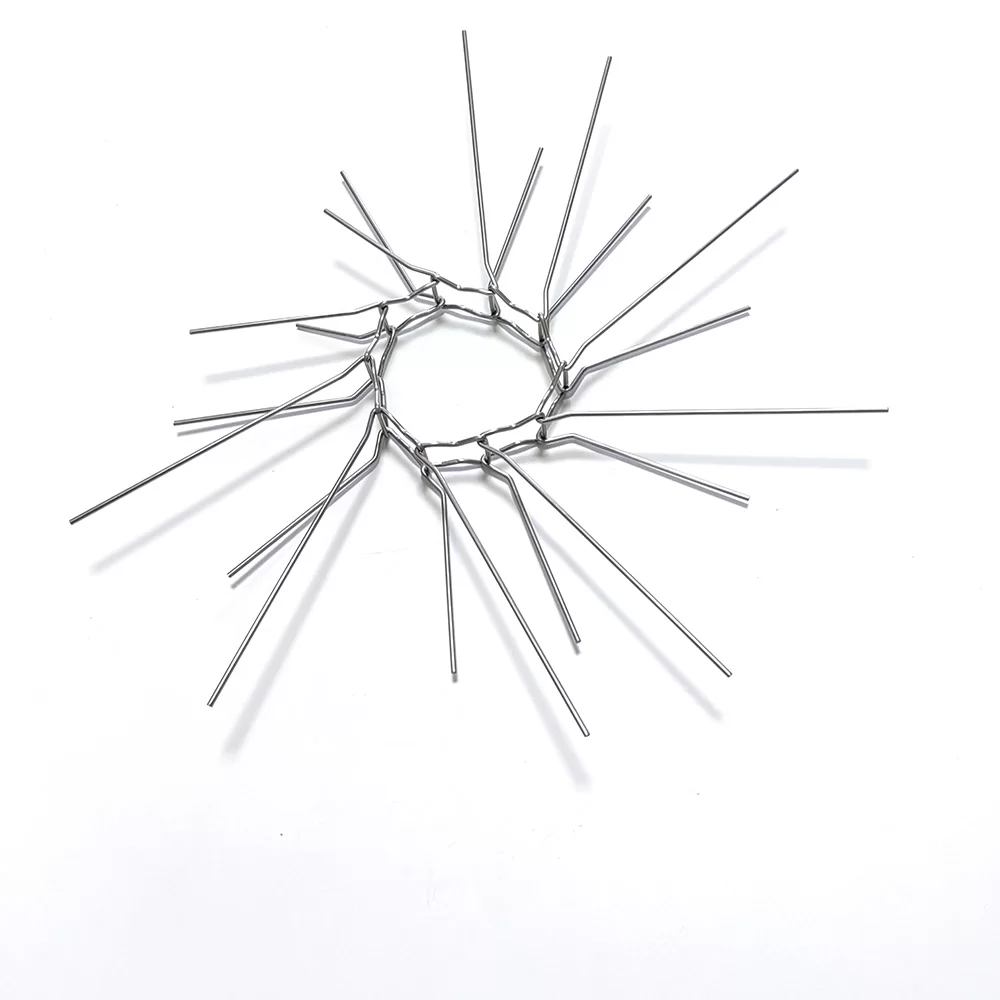
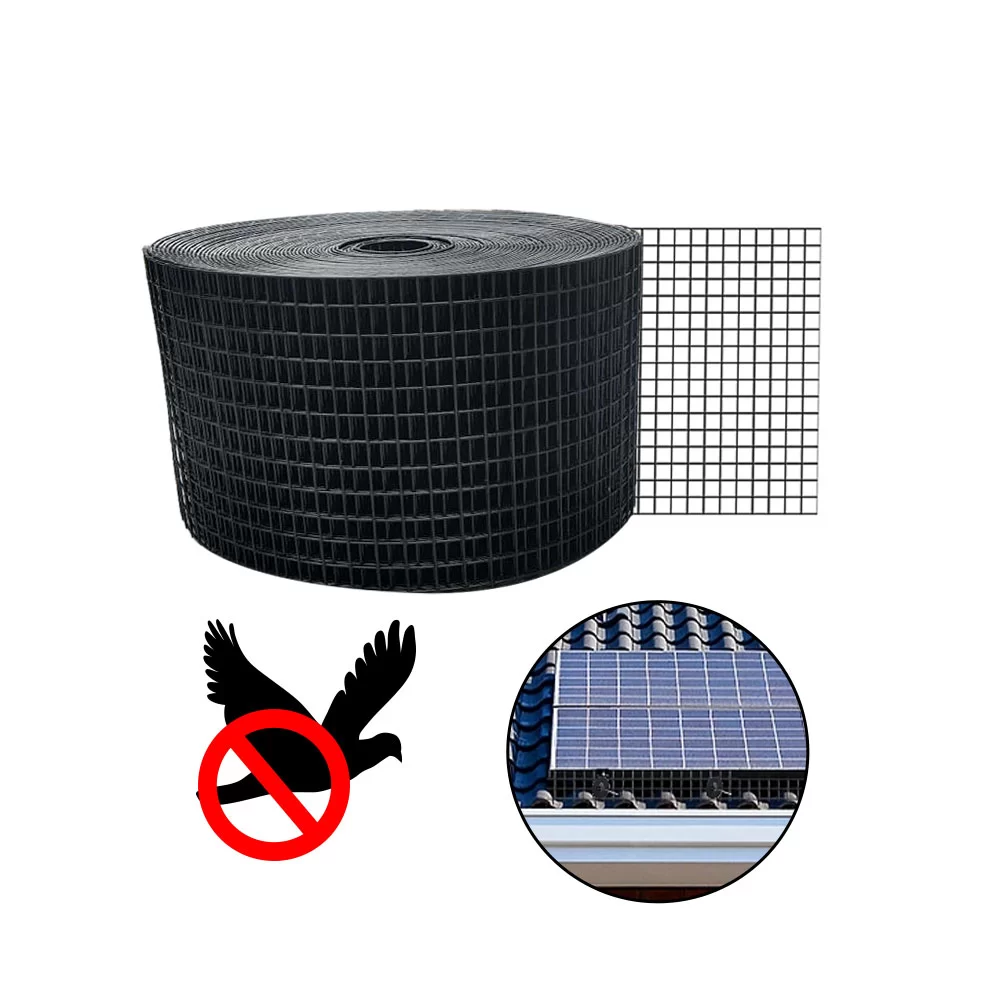
In the most straightforward terms, anti bird netting is a mesh barrier designed to block birds from entering specific spaces. Picture it like a “fence” for birds — installed over crops, balconies, ledges, or industrial sites to physically prevent access.
What makes it especially useful is that it’s generally made from lightweight, durable materials that withstand weather and UV exposure, and can be fitted to nearly any surface. From protecting vineyards in France to shielding fish farms in Asia, it answers a global bird-related problem with a practical, universal fix.
Key Factors When Choosing Anti Bird Netting
Durability
Durability is the bedrock of effective anti bird netting. The material must resist UV rays, moisture, and torn hazards. Polyethylene (PE) or polypropylene (PP) nets are common — they last for years without significant wear and require little maintenance.
Mesh Size and Design
Mesh size matters because it dictates which birds can be excluded. Smaller meshes are for tiny birds like sparrows, while larger meshes might block pigeons or seagulls. The net’s tensile strength and knot type (knotted or knotless) also affect its performance and longevity.
Installation Flexibility
Good anti bird netting should be easily adaptable: Can you mount it on varied surfaces? Does it come in roll form or modular panels? Installation methods affect labor costs, long-term reliability, and removal ease. Many rely on lightweight frames, clips, or cables to secure the netting without damaging existing structures.
Cost Efficiency
It’s not just about upfront expenses — longevity, repair costs, and bird control efficacy feed into the overall price. Some cheaper nets fail fast, making them a false economy. Most professionals recommend investing in quality materials that balance price and durability for long-term gains.
Environmental and Humane Impact
Anti bird netting is considered a humane deterrent because it physically excludes birds without harming or killing them. This factor is pivotal in agriculture and urban conservation, aligning with ethical and environmental policies globally.
Real-World Applications and Regional Use Cases
Anti bird netting sees wide use in a variety of sectors:
- Agriculture: Vineyards in Europe, fruit orchards in the Americas, and grain stores rely on netting to protect their yield from flocks during migration seasons.
- Aquaculture: Fish farms in Southeast Asia use netting to prevent bird predation on fish stocks, an essential step toward sustainable food production.
- Urban Building Management: Skyscrapers and historical landmarks in North America and Europe deploy netting to deter pigeon roosts that damage facades and cause health hazards.
- Airport Operations: Globally, netting is part of wildlife control programs recommended by aviation authorities to reduce bird strike risks.
One interesting tidbit: a dairy farm in New Zealand implemented netting around feed silos and saw bird-related feed losses drop by 80% within one season.
Benefits and Long-Term Value of Anti Bird Netting
Beyond the obvious, the benefits add up nicely over time:
- Cost Savings: Less crop damage or property repair translates to better ROI.
- Sustainability: Reusable and recyclable nets support eco-friendly pest control.
- Health and Safety: Prevents the spread of bird-borne diseases in populated areas.
- Trust and Compliance: Supports ethical standards by avoiding lethal control methods.
It really feels like a win-win — practical technology paired with long-term social responsibility.
Looking Ahead: Innovations in Anti Bird Netting
Oddly enough, even such a humble product sees innovations. For instance, manufacturers now blend UV inhibitors in polyethylene nets to extend life beyond 10 years, cutting replacements. There's growing interest in smart netting integrated with sensors that alert owners to breaches or deterioration.
Meanwhile, sustainability trends push suppliers towards biodegradable netting materials or hybrid eco-friendly polymers — neatly aligning bird control with circular economy goals.
Automation in installation and removal — think drones unrolling large nets over vast fields — could revolutionize labor costs very soon.
Common Challenges and Expert Solutions
A few hurdles persist:
- Installation Complexity: Poorly installed nets can sag, tear, or leave gaps. Professionals recommend investing in proper design and training.
- Maintenance Needs: Debris accumulation and weather damage require attention but are manageable with timely inspections.
- Bird Adaptation: Some species learn to bypass netting, so combining netting with other deterrents can improve results.
Experts say that a layered approach is best — anti bird netting is a vital tool but thrives when part of an integrated pest management plan.
Product Specification Table
| Feature |
Specification |
Typical Use |
| Material |
UV-Stabilized Polyethylene |
Agricultural fields, aquaculture |
| Mesh Size |
10mm x 10mm to 25mm x 25mm |
Crop and infrastructure protection |
| Weight |
50-90 g/m² |
Light to moderate bird pressure |
| UV Resistance |
8-10 years expected life |
Outdoor application |
| Colors |
Black, green, white |
Camouflage and visibility control |
Vendor Comparison Table
| Vendor |
Material Quality |
Warranty |
Installation Support |
Price Range |
| BirdGuard Co. |
High-grade polyethylene |
8 years |
On-site and remote |
$$$ |
| EcoNet Solutions |
Recycled PP blend |
5 years |
Online guides only |
$$ |
| SafeNest Supplies |
UV-treated polyethylene |
7 years |
Full installation |
$$$ |
Frequently Asked Questions About Anti Bird Netting
Q1: How long does anti bird netting typically last outdoors?
A1: Most high-quality anti bird netting made from UV-stabilized polyethylene lasts around 8 to 10 years, depending on climate exposure and maintenance. Harsh sun or extreme winds may shorten its lifespan, which is why choosing UV-resistant nets is important.
Q2: Is anti bird netting safe for birds and local wildlife?
A2: Yes. Properly installed anti bird netting is a humane way to prevent birds from entering restricted areas without harming them. It physically blocks their access but does not injure. It’s widely accepted by environmental agencies and farming organizations.
Q3: Can anti bird netting be reused season after season?
A3: Often, yes. Durable netting materials can be carefully removed and stored for repeated use, especially if seasonality is a factor. However, each removal and reinstallation carries a risk of wear and tear, so inspection before reuse is recommended.
Q4: How difficult is it to install anti bird netting on large agricultural fields?
A4: Installation on large scales requires planning, labor, and sometimes specialized equipment like poles or frames. While not impossible, it helps to consult or hire experts who understand local conditions and can optimize netting layout.
Q5: Are there environmental regulations around using anti bird netting?
A5: Regulatory details vary by region, but anti bird netting is generally viewed favorably as it supports non-lethal bird control. It’s often part of integrated pest management plans encouraged by agencies like the USDA or the European Commission.
Wrapping Up: Why Anti Bird Netting Is a Smart Investment
In real terms, anti bird netting is one of the quiet heroes in safeguarding agriculture, urban infrastructure, and wildlife management efforts worldwide. It blends simplicity with durability, delivering measurable benefits that ripple through economic, social, and environmental realms.
If you're looking to protect your crops, buildings, or sensitive sites while respecting wildlife, exploring anti bird netting options is a great place to start. With ongoing innovations and expert support, this technology remains a practical shield—with a future that’s as bright as it’s reliable.
References and Credible Sources
- Food and Agriculture Organization (FAO), "Crop Losses Due to Pests," 2020.
- United Nations, World Urbanization Prospects, 2018 Revision.
- International Civil Aviation Organization (ICAO), "Wildlife Hazard Management," 2019.