14 November 2025
The art and science of effectively baiting animal traps represents a critical skill set for anyone involved in wildlife management, pest control, or ecological research. Whether addressing nuisance wildlife concerns, conducting population studies, or relocating animals from unsafe environments, the strategic use of animal traps requires deep understanding of animal behavior, nutritional needs, and sensory capabilities. The fundamental goal of any trapping operation, particularly when utilizing a live trap, is to maximize capture efficiency while minimizing stress and potential harm to the target species. This comprehensive approach to baiting transcends simply placing food inside a trap; it involves creating an irresistible sensory pathway that guides animals toward capture through strategic bait selection, placement, and presentation.

The effectiveness of any trapping program hinges on this crucial element, as even the most sophisticated cage trap will fail if the baiting strategy doesn't align with the target animal's instincts and preferences. At Hebei Archerfish Network Technology Co., Ltd., our experience since 2019 in designing and manufacturing pest control solutions has provided invaluable insights into the nuanced relationship between trap design, bait selection, and capture success rates. Our integrated approach combining factory production with foreign trade expertise has allowed us to gather global feedback on baiting strategies across diverse environments and species, reinforcing our commitment to developing effective, humane pest control solutions that balance operational efficiency with ecological responsibility.
Successful trapping begins long before bait is ever placed, requiring thorough understanding of target species behavior and strategic selection of appropriate animal traps for specific scenarios. Different species exhibit distinct foraging patterns, food preferences, and neophobia levels that directly influence baiting success.
l Rodents like rats and mice, for instance, are naturally cautious of new objects in their environment, often requiring pre-baiting strategies where unset animal traps are placed with bait for several days to build confidence before activating the capture mechanism.
l In contrast, species like raccoons and squirrels typically show bold curiosity toward novel food sources, potentially requiring different approaches.
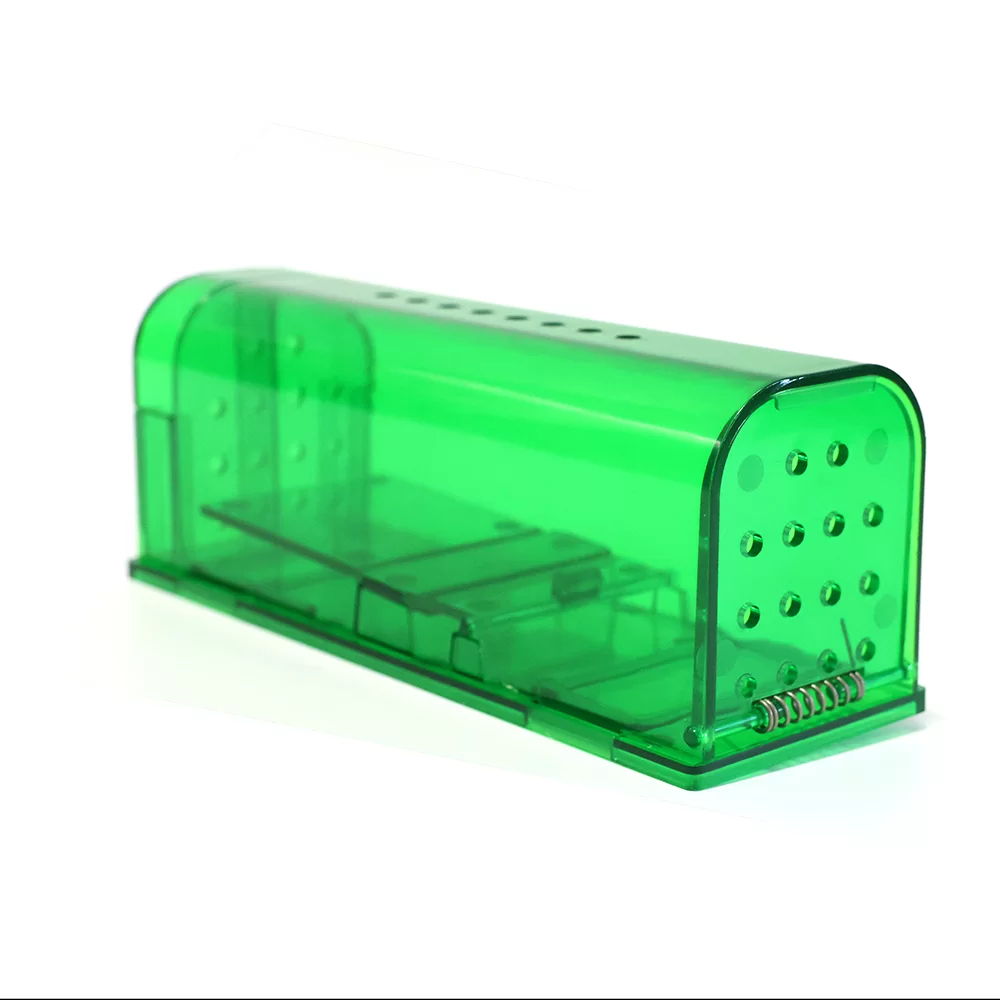
The selection between various types of animal traps should be guided by multiple factors including target species, location, legal requirements, and intended outcome. A live trap, specifically designed for humane capture and release, presents different baiting considerations than lethal snap traps. Our product development team at Hebei Archerfish Network Technology Co., Ltd. has incorporated these behavioral insights into our trap designs since our founding in 2019. Our expansion into European markets in 2022 further refined our understanding of international standards for humane trapping, reinforcing our commitment to developing pest control solutions that effectively address infestation problems while respecting animal welfare and ecological balance.
The strategic selection and preparation of bait represents perhaps the most crucial element in successful live trap operations, where the goal is humane capture without injury. Effective baiting for a live trap requires understanding the seasonal dietary preferences, nutritional needs, and sensory capabilities of the target species.
(1) Carnivores like foxes and coyotes typically respond best to protein-based baits such as canned fish, fresh meat, or specially formulated commercial lures, while omnivores like raccoons and skunks show more varied preferences across fruit, vegetables, eggs, and protein sources.
(2) Herbivores such as groundhogs and rabbits require fresh vegetables, fruits, or grains that match their natural foraging preferences.
Our approach at Hebei Archerfish Network Technology Co., Ltd. emphasizes this multisensory baiting strategy, recognizing that successful capture in a live trap often depends on creating an irresistible sensory experience that overcomes the animal's natural caution. The physical presentation of bait within a live trap requires equal consideration, with secure attachment preventing animals from snatching bait without triggering the trap mechanism.
The physical placement and setup of a cage trap significantly influences baiting effectiveness, with location often proving as important as bait selection itself. Strategic cage trap placement requires identifying high-activity areas through signs such as animal trails, droppings, feeding evidence, or nesting sites.
l Placing a cage trap along natural travel corridors like fence lines, building perimeters, or pathway edges increases encounter rates by positioning the trap within the animal's established movement patterns.
l Proper camouflage and environmental integration of the cage trap reduces neophobia and increases capture likelihood, achieved through natural vegetation, strategic placement near existing structures, or commercial camouflage covers.
Our manufacturing expertise at Hebei Archerfish Network Technology Co., Ltd. has led to cage trap designs that incorporate neutral colors and modular camouflage attachment points, supporting effective field deployment. The setup of the cage trap trigger mechanism requires precise adjustment to balance sensitivity with stability, ensuring reliable operation without accidental triggering. For larger cage trap models, creating a "funnel effect" with strategically placed branches or rocks can guide animals toward the entrance while making alternative approaches less appealing.
The most effective baits vary significantly by species, but some proven combinations include canned fish or cat food for raccoons, peanut butter and seeds for squirrels, fresh vegetables and apples for groundhogs, and meat scraps or commercial lures for foxes. The key is matching the bait to the animal's natural dietary preferences while ensuring the scent is strong enough to attract them from a distance to your live trap.
Preventing non-target captures in a cage trap involves several strategic approaches including selective baiting that appeals specifically to your target species, proper cage trap sizing that excludes larger or smaller animals, and placement in locations frequented primarily by your target species. Entrance modifications like reducing trigger sensitivity for heavier animals or using species-specific entry designs can further improve selectivity. Additionally, timing your trapping activities to match the activity patterns of your target species while avoiding periods when non-targets are most active reduces accidental captures.
In residential areas, animal traps perform best when placed along fences, building foundations, or known animal pathways while ensuring safety for pets and children. Position animal traps where you've observed animal activity such as droppings, digging, or damage, typically in quieter areas of the property where animals feel secure. For climbing species, elevated placements on stable surfaces may be more effective than ground positioning.
The frequency for checking animal traps varies by location, season, and target species, but generally, live trap designs should be checked at least once every 24 hours to ensure animal welfare, with more frequent checks during extreme weather conditions. In many jurisdictions, specific regulations mandate maximum checking intervals for animal traps. More frequent monitoring also allows for bait refreshment, trap adjustment, and documentation of trapping activity.
Animals may avoid a baited cage trap for several reasons including human scent contamination, improper trigger sensitivity, inadequate camouflage, or placement in overly exposed locations. Neophobia (fear of new objects) causes some species to initially avoid any novel structure in their environment, often requiring pre-baiting strategies where food is placed in and around an unset cage trap for several days before activation.
Effectively baiting animal traps represents a sophisticated integration of biological understanding, technical skill, and strategic planning that extends far beyond simply placing food in a trap. At Hebei Archerfish Network Technology Co., Ltd.’s commitment to Quality, Integrity, and Innovation drives continuous improvement in both our products and the educational resources we provide to users, ensuring that animal traps are deployed as effectively and humanely as possible. Whether addressing specific nuisance wildlife situations, conducting population monitoring, or implementing broader wildlife management programs, the principles of strategic baiting remain constant: understand your target species, select appropriate animal traps for the situation, implement thoughtful baiting strategies, and maintain ethical standards throughout the process.

Feb 02, 26
Comprehensive Guide to Effective Blue Sticky Trap Use for Pest Control
Feb 11, 26
The Importance of Small Animal Traps for Effective Population Management

Feb 07, 26
Advancements in Animal Trap Technology for Diverse Applications

Feb 04, 26
Comprehensive Guide to Animal Traps for Sale and Effective Wildlife Management