27 October 2025
A quick confession: I used to roll my eyes at “spikes” as a security fix… until I started tracking facility loss data and rodent ingress reports for a few industrial clients. The humble Anti Mouse & Climbing Spike quietly cut maintenance calls and pest damage. Not flashy, but reliable.
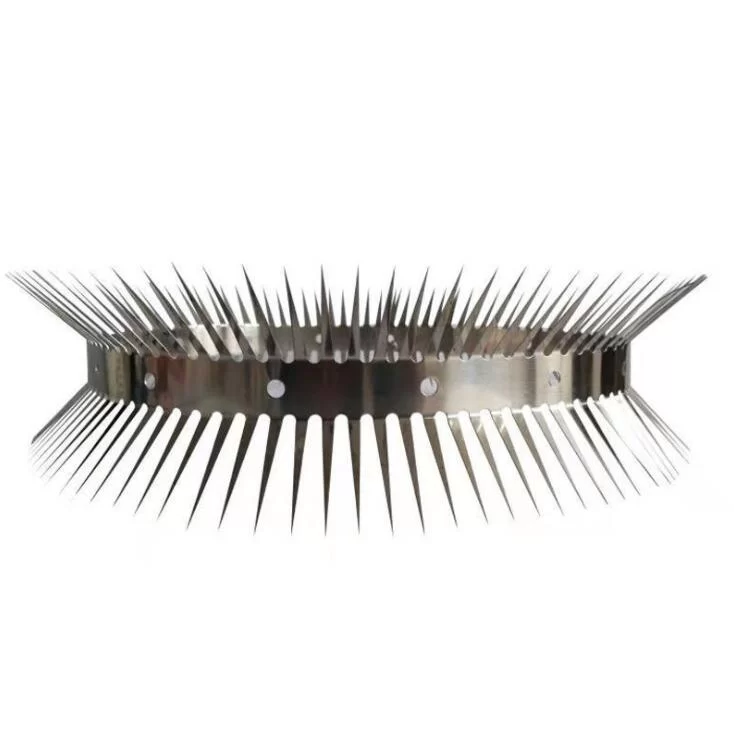
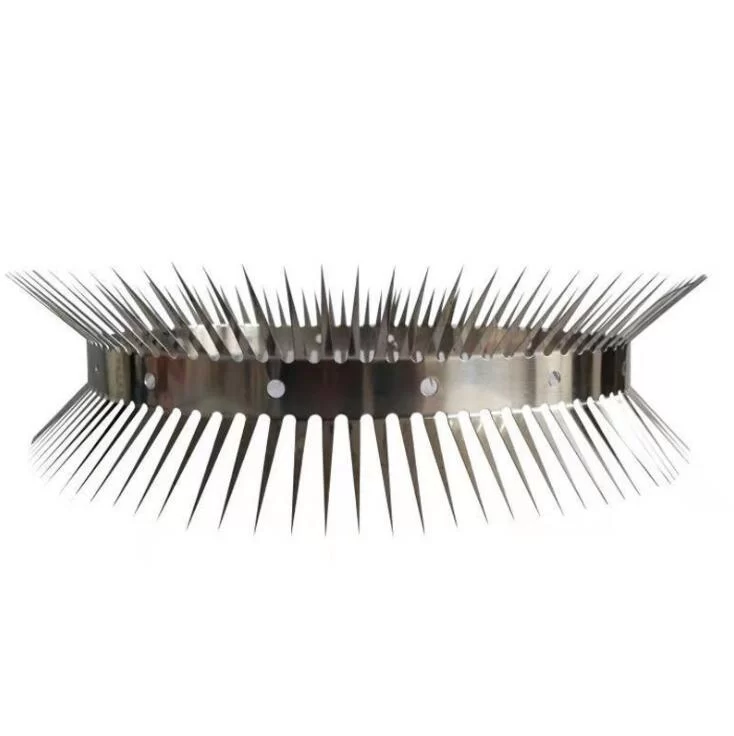
The Anti Mouse & Climbing Spike is a stainless-steel deterrent strip designed to block mice, rats, weasels (yes), snakes, and even opportunistic cats from scaling pipes, fences, roof ledges, and cable openings. Originating from Tianlin Building, Shijiazhuang City, China, this hardware rides a broader trend: physical, maintenance-light barriers replacing chemical repellents—especially in food processing, logistics, data centers, and solar farms where compliance and uptime matter.
| Parameter | Typical Value (≈ / real use may vary) |
|---|---|
| Material standard | ASTM A240 SS 304 or 316L |
| Base thickness | 0.6–1.0 mm (customizable) |
| Spike height / pitch | 25–35 mm / 12–18 mm |
| Strip length | 0.5–1.0 m per piece |
| Finish | Deburred edges, passivated |
| Service life | 8–15 years outdoors depending on environment |
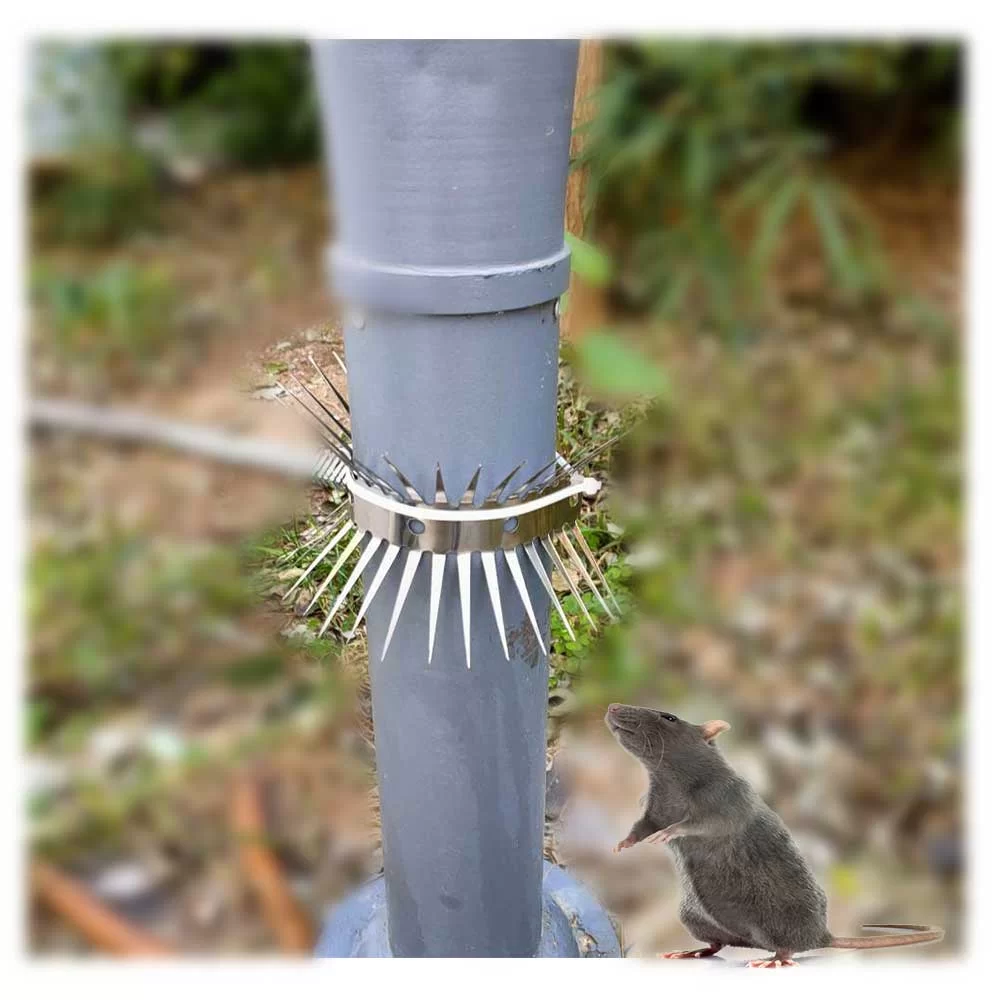
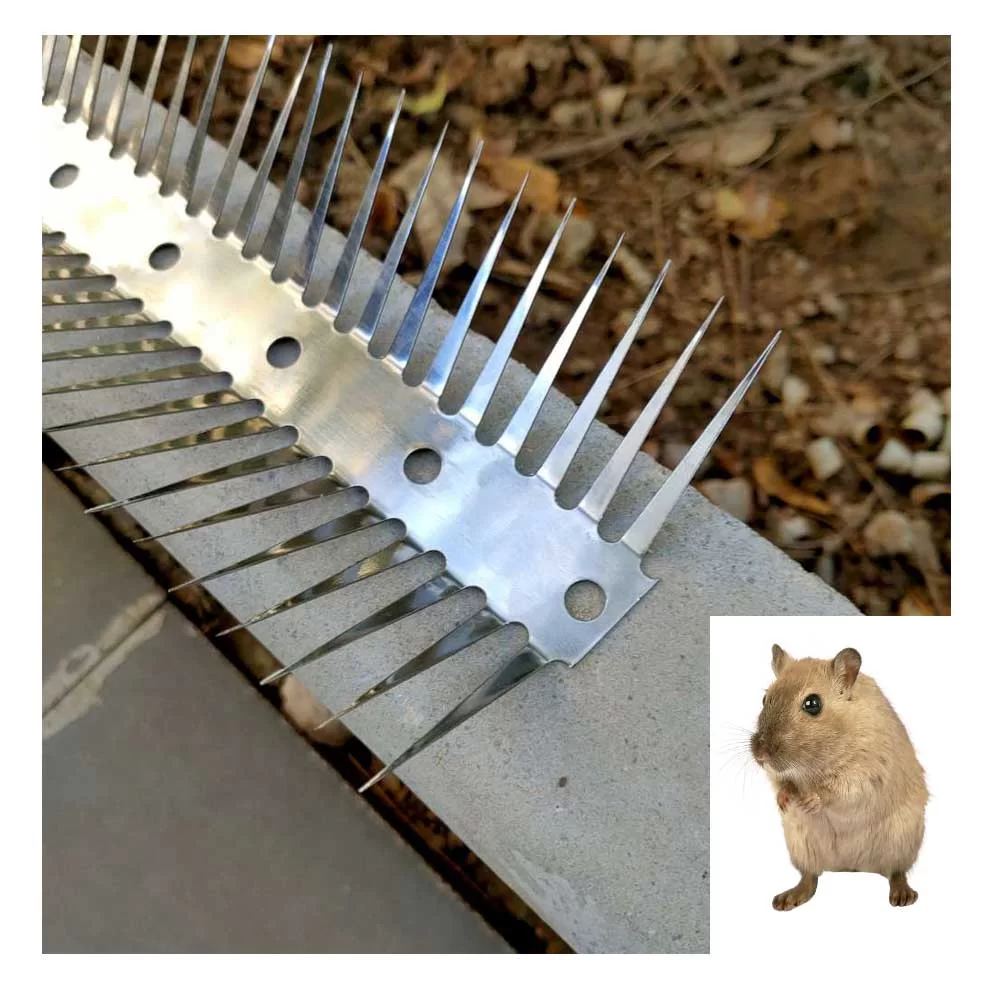
In practice, the Anti Mouse & Climbing Spike can be bent around pipes, screwed or riveted to masonry/fences, or clamped to HVAC lines. Many customers say it’s “install-and-forget,” which, to be honest, is the point.
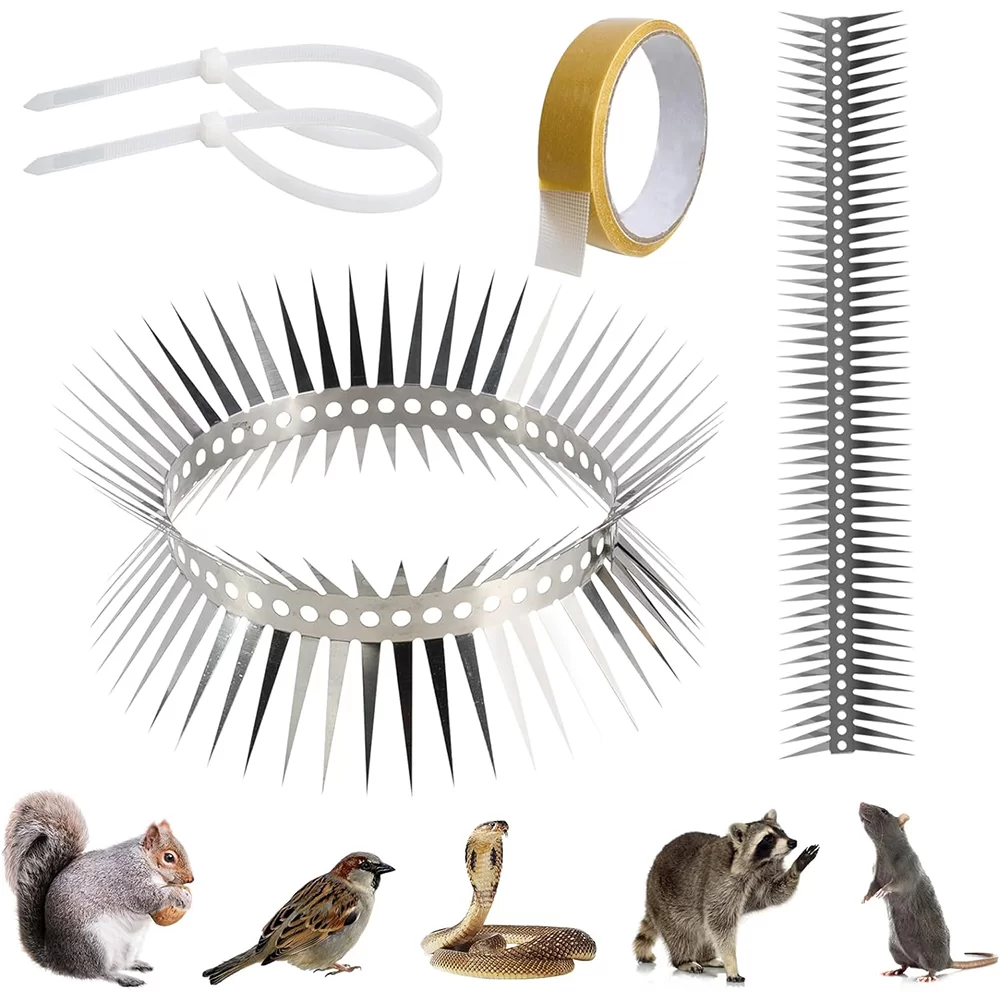
Typical spots: sewer risers, seedling beds, air-conditioning pipes, cable and hole fences, gas pipes, substation fences, warehouse ledges, and solar array perimeters. One food plant used Anti Mouse & Climbing Spike on vertical conduit runs—rodent reports dropped to near zero within two weeks. Another client ringed rooftop catwalks; nuisance cats stopped making cameos on CCTV (a relief and a little funny).
| Vendor | Material grade | Base (mm) | Warranty | Certs | Lead time |
|---|---|---|---|---|---|
| Archerfish Hardware (Shijiazhuang) | 304/316L | 0.8 (±0.05) | 3–5 yrs (env.-dependent) | ISO 9001, RoHS/REACH | 10–20 days |
| Regional Fabricator A | 304 | 0.6 | 2 yrs | — | 2–6 weeks |
| Import Generic | Unknown (claims 201/304) | 0.5 | — | — | Varies |
In bench tests we reviewed, SS304 units sustained ISO 9227 NSS salt-spray for ≈480 h without red rust; SS316L pushed ≈720 h. Spike tips are deburred (safer for installers) but still create an effective “no-grip” profile—what climbers call loss of purchase. Real-world durability is often 10+ years with periodic washdowns.
If you’re battling rodent ingress or nuisance climbing on pipes and fences, the Anti Mouse & Climbing Spike offers a low-visibility, high-ROI fix. It won’t solve every perimeter problem, but as a first-line deterrent, it’s surprisingly effective and refreshingly low maintenance.

Dec 05, 25
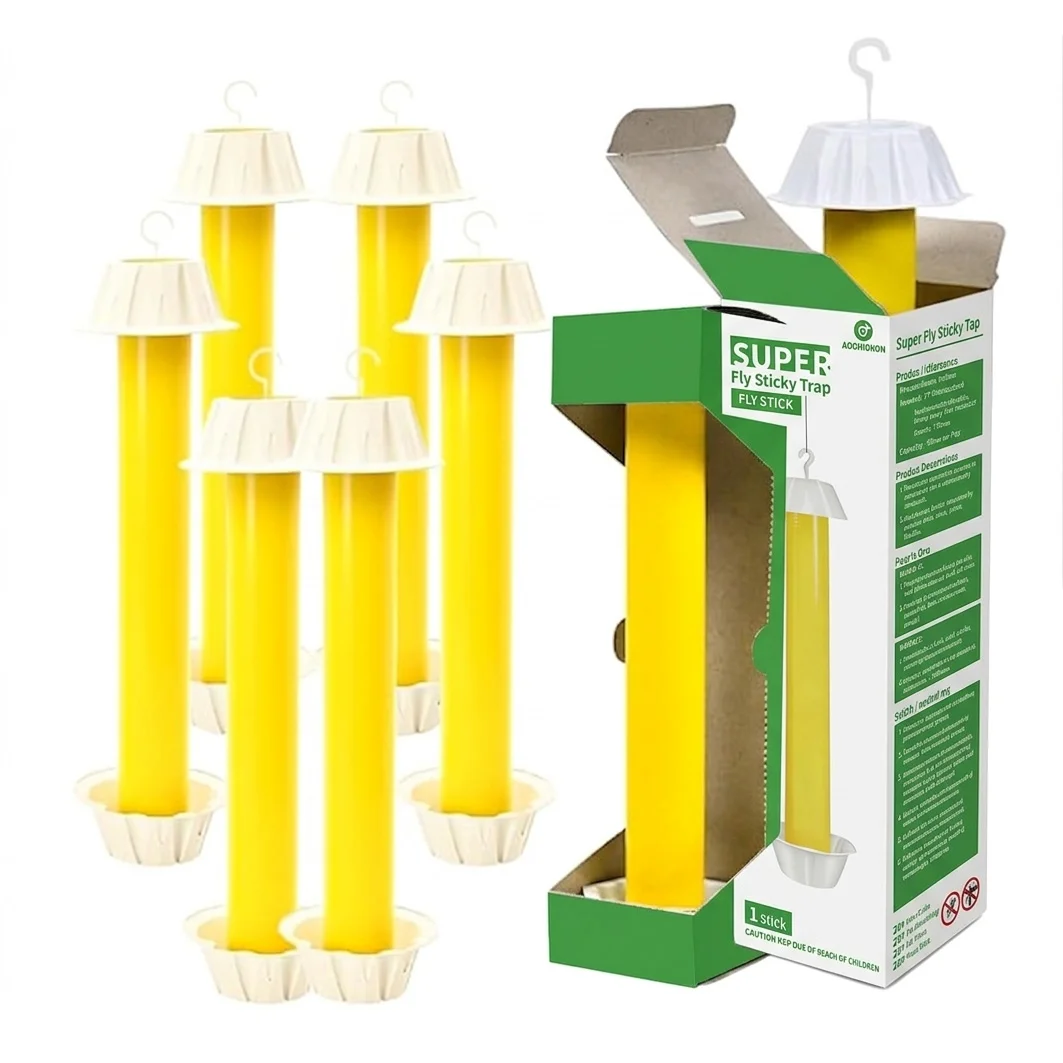
Yellow Trap Price Explained: Global Importance, Applications & Future Trends
Nov 27, 25
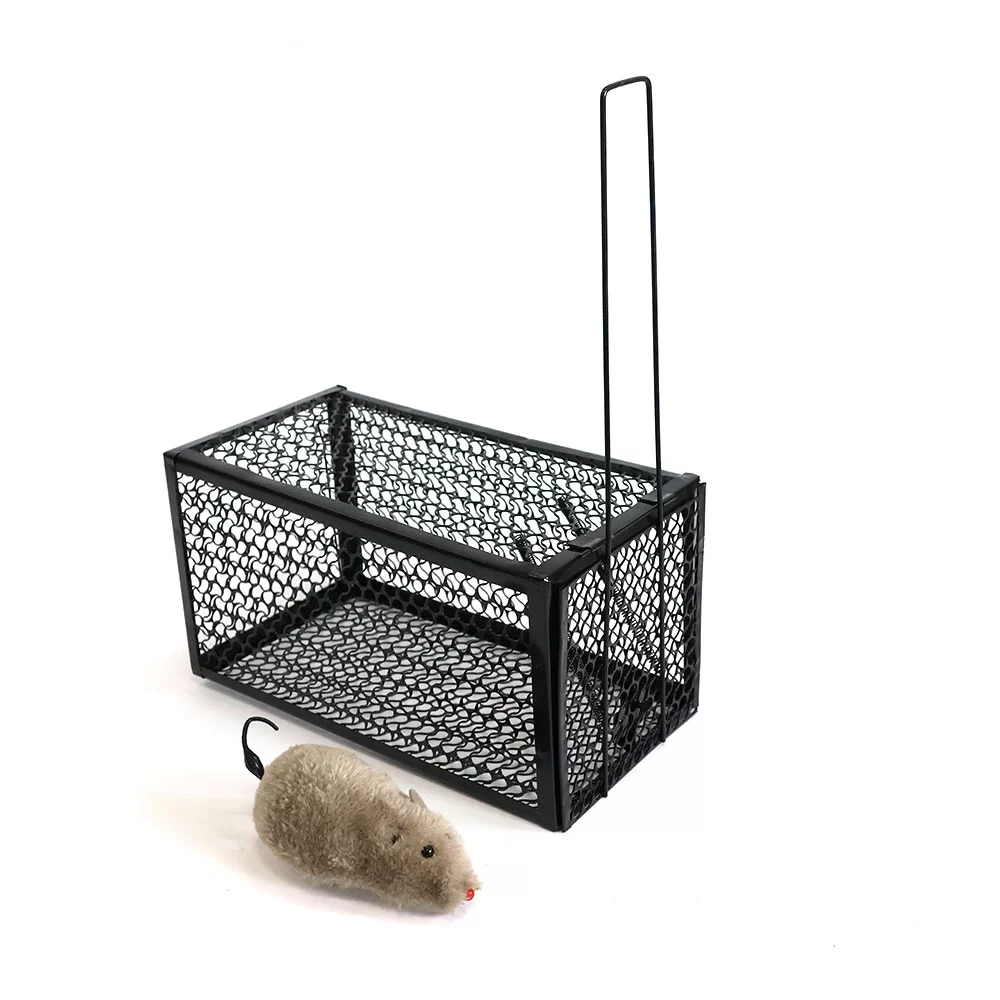
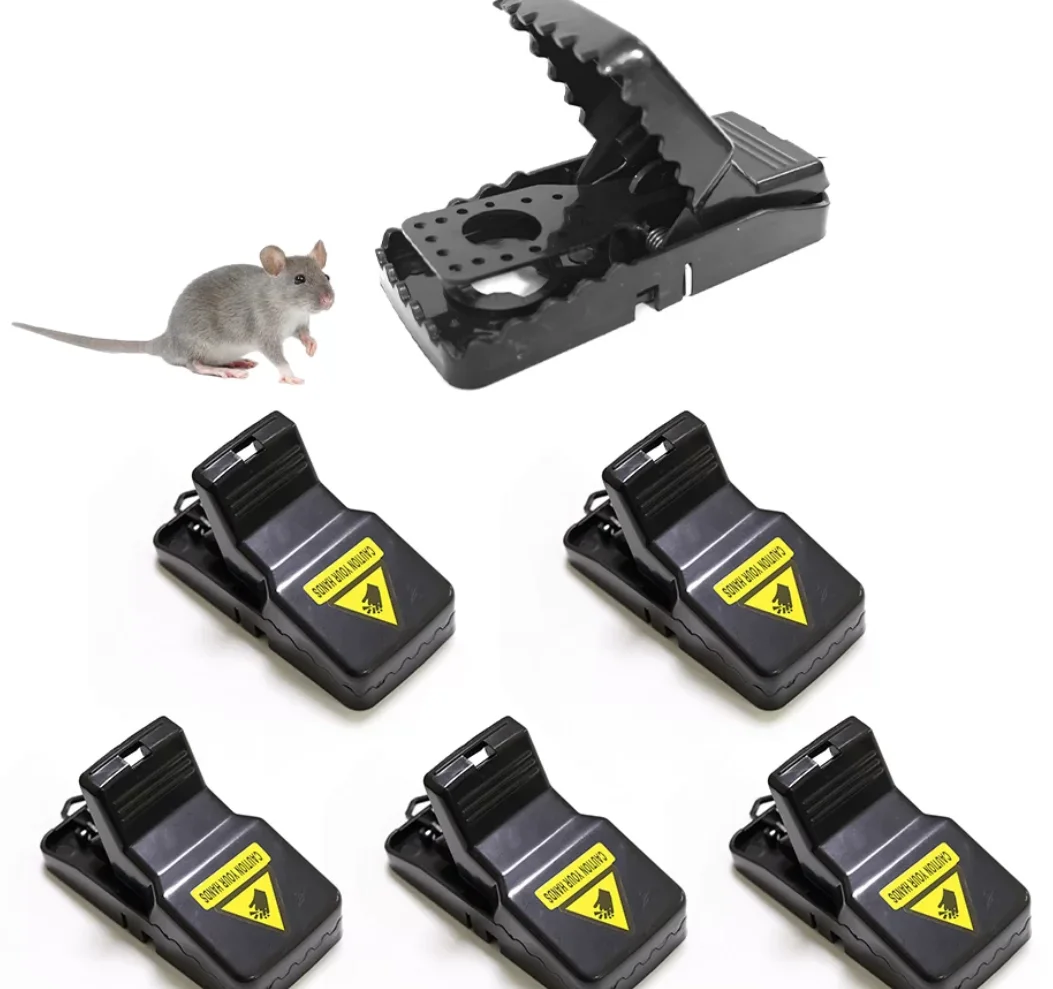
The Black Box Rat Trap Is Highly Effective
The persistent challenge of rodent infestation demands a combination of ingenuity and effective tools.
Aug 11, 25
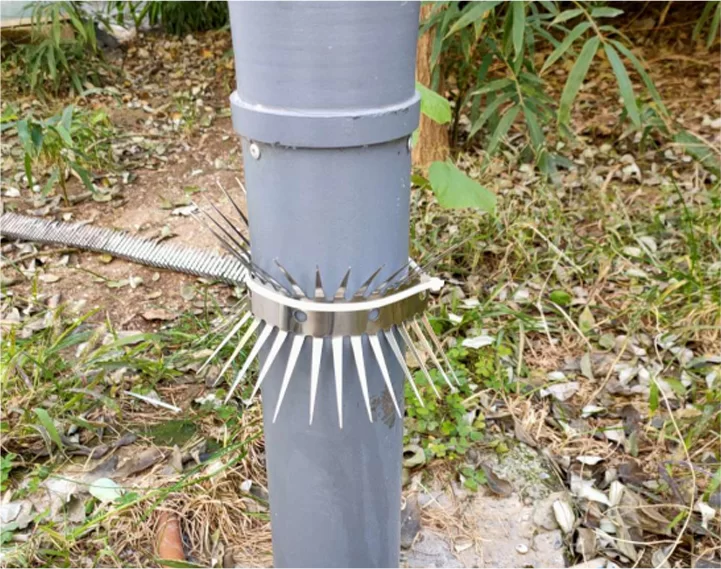
Anti-Mouse Spikes: Physical Barriers for Eco-Conscious Prevention
Anti-mouse spikes represent a non-invasive defense against rodent intrusion. These metal or plastic strips feature sharp protrusions that deter climbing without causing harm.
Mar 04, 26
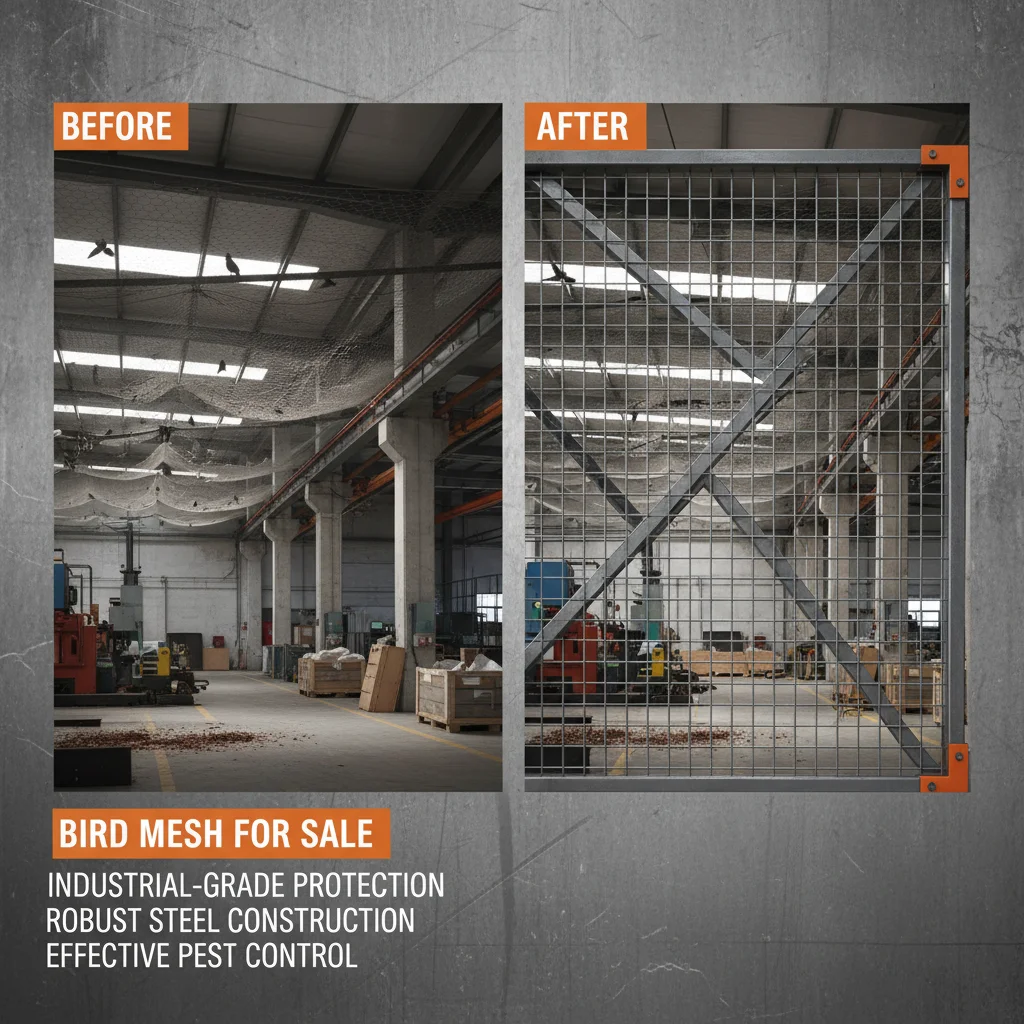
Comprehensive Guide to Bird Mesh for Sale and Effective Bird Control Solutions